AI Hiring Bias: How HR Can Understand and Mitigate Potential Pitfalls

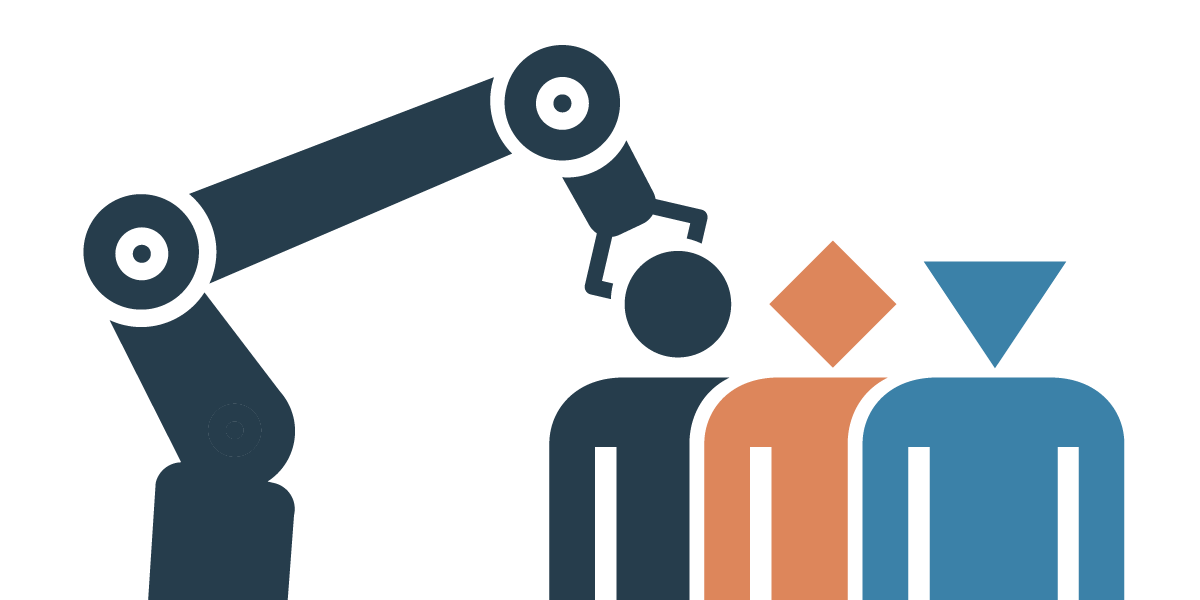
The rapid adoption of artificial intelligence (AI) can bring major benefits for HR pros to help save time and put effort into what really matters. One particular area where AI can really make a difference is hiring and recruiting.
AI-enabled hiring touts a lot of potential advantages, like the ability to reduce bias in hiring decisions.
But that doesn’t mean that AI can totally replace the hiring process. Just like humans, AI can be biased and therefore make biased hiring decisions.
Here’s everything you need to know about AI hiring bias – and how to avoid it.
What is AI hiring bias?
Several different types of AI hiring bias can occur when hiring managers use AI in their hiring process.
Some of the main types of AI hiring bias are:
- Sample bias: This can occur when data the AI is learning from does not accurately reflect real-world makeup. For example, one population may be over or underrepresented.
- Algorithmic bias: This is bias that occurs due to the algorithm, not the data. When the algorithm is developed, several factors may introduce algorithmic bias, such as the depth of the neural network or prior information required by the algorithm.
- Representation bias: This type of bias, like sample bias, arises during data collection. More specifically, it’s due to uneven data collection that does not consider outliers or anomalies. It can also occur when the diversity of the population is not taken into consideration, such as data that does not include all demographics equally.
- Measurement bias: Measurement bias can appear when uneven conclusions are reported or mistakes are made during the construction of the training dataset. These mistakes can lead to biased results against specific demographics.
All of these biases can impact any hiring decisions that AI systems make and lead to trouble. For example, an AI model used to scan resumes may have learned biases that unintentionally weed out non-white candidates.
And if a candidate accuses a company of hiring discrimination, your business will be on the line – even if AI made the decision.
Examples of AI bias
AI can show bias in many areas, such as race, gender or disability status. Here are some examples of AI showing bias against certain groups.
AI tools contributing to sexism
Depending on the training data and what the AI is learning from, bias can appear just about anywhere.
Case in point: Amazon built an AI tool to help sort through mass applications and find top candidates. However, the AI system was trained on resumes over 10 years, largely from men, which is a common occurrence in the tech industry. While a hiring manager may have been able to recognize and overlook the gender disparity, the AI tool learned to penalize resumes that indicated women or women-related terms.
And, although hiring managers didn’t fully rely on the recommendations, they would still look at them. The tool was eventually scrapped due to its issues with bias.
AI tools contributing to racial discrimination
Just like AI can discriminate based on gender, the same can happen with race. AI tools can hold unconscious bias toward non-white applicants and unknowingly favor a certain demographic.
Since its introduction to the public, AI has received criticism for racial bias. For example, some AI models produce inaccurate results and make incorrect decisions surrounding Black people or other people of color.
For example, people of color have a higher likelihood of being passed over for promotions or may not have the same linear career path as others. This can result in AI overlooking resumes from people of color, especially if they make up a smaller percentage of the applicant pool.
Legal and ethical implications
Like any type of bias, AI hiring bias can be bad news for your company. Not only are there ethical concerns associated with AI hiring bias, but it can also land you in hot water with enforcement watchdogs like the EEOC.
With the quick onset and widespread use of AI, it can be hard for legislation and state laws to keep up with the rapidly changing landscape. That’s why the onus falls on HR departments to mitigate the potential risks of AI-enabled hiring.
When using AI hiring tools, HR should consider the legal and ethical implications of AI hiring bias, like:
- Any employment discrimination laws that may be relevant, such as EEO laws
- Ethical guidelines of the AI that is being used, and
- Guardrails that may need to be put in place to responsibly use AI models and maintain accountability for any potential bias issues.
Any type of bias – regardless of whether it could lead to legal repercussions or not – should be investigated and mitigated by HR to ensure fairness and equity to all employees and potential hires.
Causes of AI hiring bias
It’s important to get to the root cause of why AI can be biased to properly mitigate it. Here are a few causes of AI hiring bias.
Biased training data
AI models learn through training data, and that data is what’s used to make decisions. So, if the training data is biased, the decisions AI models make can incorporate that bias. Or, if there are historical biases in the data collection or the data simply lacks diversity, it can also lead to AI hiring bias.
Algorithmic design
The design of the AI model’s algorithm can also cause AI hiring bias depending on the way the algorithm was designed and programmed, either due to prejudiced assumptions or lack of ethical considerations.
Biased human involvement
Humans are inherently biased, so human involvement in AI can cause poor or biased assessments and decision-making. AI’s use of reinforcement learning and feedback loops can unknowingly continue the cycle of bias.
Mitigating bias in AI-enabled hiring
Just because AI can be prone to biased decision-making doesn’t mean that it isn’t an effective hiring tool. It just means that HR must work to mitigate and eliminate AI hiring bias to ensure fairness and stay legally compliant.
Improving overall data collection
Since AI models learn from the data they’re given, one of the best ways to mitigate bias is to improve data collection practices to ensure that they’re as bias-free as possible. Any data being used to train AI models should be diverse and inclusive to reduce the risk of bias.
If training data is biased, consider working to improve quality control to ensure data is as fair as possible.
Using fairness-aware algorithms
As AI models become more and more popular, AI is starting to catch up with and address potential biases using fairness-aware algorithms, which analyze data while accounting for potential pitfalls like discrimination or bias.
Any AI model being used should be transparent about why the AI model came to its decision and why. The AI algorithm should also be enforcing constraints when it comes to data like gender or race to mitigate the risk of bias.
Human oversight and intervention
AI should never be the sole decision-maker when it comes to hiring. If you’re going to make AI a part of your recruitment process, it’s essential to have a team of real humans to oversee the process and catch any potential issues to avoid AI hiring bias.
Before implementing AI into your hiring process, designate a diverse team to audit the decision-making of the AI systems being used. You may even want to take it a step further and look at the team behind the AI tool to see if there is diversity within the development of the model.
Why it matters
AI can bring countless benefits, but it doesn’t come without its risks. When it comes to hiring, a biased decision – whether by AI or by humans – can be bad news for your business, both from a reputation standpoint and legally.
Mitigating AI hiring bias can help ensure fairness and equity while taking the pressure off of your hiring team to help make the best decisions for the business.
- Share on


Free Training & Resources
White Papers
Provided by Maven Clinic
White Papers
Provided by Inspirus