
401(k), student loan: Benefits employees want
By
Searching on ways to avoid the Great Resignation? If so, try amping up your financial support of employees. Specifically, do what you can to improve your 401(k) program and student loan benefits.
Why?
Financial benefits are taking priority as the top benefits, according to a study by Bettermen.
Betterment’s 401(k) business surveyed 1,000 full-time employees. The financial advisor asked question about their understanding of financial wellness and how they rated their own, as well as what they wanted in benefits.
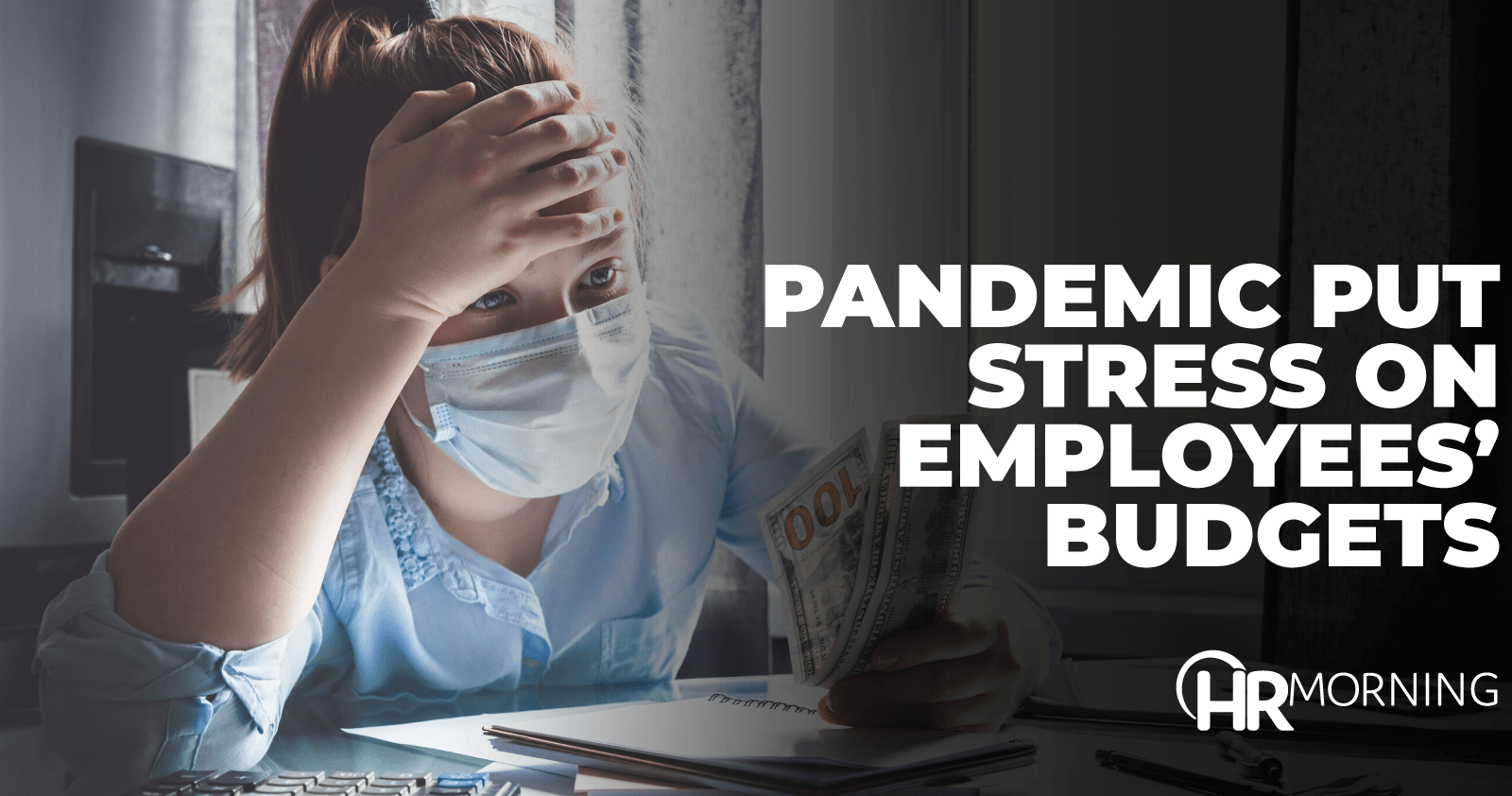
During the pandemic, people have had to tap their emergency funds, and it stressed them out. Now, they want their employers to provide more financial support with retirement planning and student loan debt.
What? Aren’t they two different ends of the spectrum?
Yes, but think of it this way. The pandemic caused stress to many people’s budgets. Those who are getting closer to retirement are certainly going to worry about whether they’ll have enough money to live off once they do retire. And the younger employees with mounds of student loan debt are worrying about how they’re going to pay it back.
Financial benefits: 401(k), student loan
While you would think paid time off and working from home would be the most important benefits to offer for retention, you’d probably be correct in some instances. But in this study, 74% of respondents said if another company had better financial benefits they’d probably leave. And the two benefits they were most attracted to were “a high-quality 401(k) or other retirement plan” and “a 401(k) matching program.”
Another interesting finding from this study: 78% said they take advantage of most or all their employers’ financial benefits. For those who don’t, the reasons were:
- weren’t sure what benefits were offered (36%)
- hadn’t gotten around to signing up yet (30%)
- didn’t need them (19%)
- didn’t know how to sign up (11%), and
- other (16%).
What can you do?
Talk with the powers that be and see if you can increase your 401(k) matching at all. It would cost money, but in the end you’d save money by lowering your turnover and recruitment costs.
Secondly, see if you can offer some kind of student loan benefit.
And finally, make sure your employees know what financial benefits you have, how to access them and sign up, and how to use them.
Further Reading
Connecticut Paid Sick Leave Expands to Nearly All Employers Jan. 1
Starting Jan. 1, 2027, employers with one or more employees in Connecticut must provide paid sick leave under Public Act 24-8. The current threshold for covered employers is 11 or more employees. Covered employers must allow covered employees to accrue one hour of paid leave for every 30 hours worked, up to 40 hours a […]
Paid Sick Leave Notice Failures: Seattle Hotel, Staffing Agencies Pay $133K
A Seattle hotel operator and two staffing agencies will pay $133,026 to 11 workers to resolve alleged violations of the city’s paid sick leave ordinance and two other local laws protecting hotel employees. Investigators found evidence the companies: Payroll teams should check that pay stubs or other paid sick leave notices show leave earned, used […]
Colorado Cuts FAMLI Premium Rate to 0.86% for 2027
Colorado’s Family and Medical Leave Insurance (FAMLI) premium rate will decrease from 0.88% to 0.86% of wages effective Jan. 1, 2027. The new rate applies to all employers using the state plan. Employers should update payroll settings before their first 2027 pay run, according to the state’s FAMLI Business Brief. Employees may pay no more […]
IRS Raises 2027 Retirement Contribution Limits for 401(k)
The IRS has announced that the 2027 contribution limit for 401(k), 403(b) and 457(b) retirement plans will increase to $25,500, up from $24,500 in 2026. Higher Catch-Up Limits Boost Retirement Savings Catch-up limits are going up, too: The higher catch-up replaces the standard one, so employees can’t stack the two. And employees can make catch-up […]
Paid Parental Leave: New Requirements for Allegheny County Employers
On Oct. 22, 2026, Allegheny County, Pa., enacted what’s believed to be the nation’s first countywide paid parental leave mandate. Employers must comply by October 2027. Employers doing business in the county with 15 or more employees anywhere must fund 12 weeks at base pay, capped at $4,200 weekly, for birth, adoption, child placement or […]
Washington Paid Leave Premium Increases Jan. 1
On Jan. 1, 2027, Washington’s Paid Family & Medical Leave premium increases to 1.2%, from 1.13%. Employers will pay 29.3% of the paid leave premium; the employee share is 70.7%. Employers may cover some or all of employees’ share. Generally, employers with fewer than 50 employees don’t need to pay the employer share unless they […]