HR’s Tipping Point: 5 Ways Humans and AI Will Partner to Make Your Company Thrive

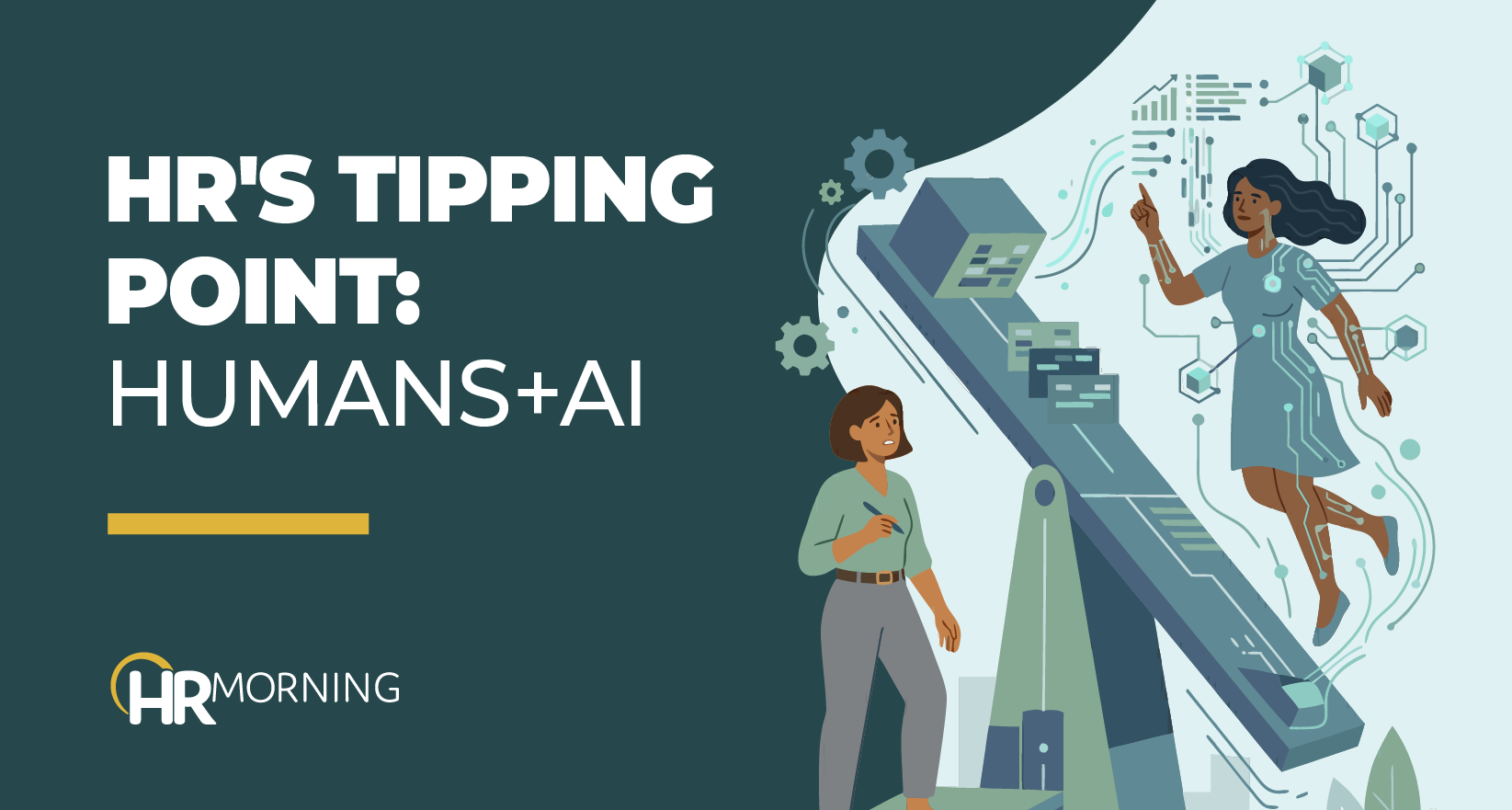
The way we work will change, and companies that adapt and help their employees adapt — at this critical tipping point — will succeed.
That’s the assessment of the workplace from Deloitte’s latest Global Human Capital Trends Report. In fact, 70% of business leaders believe their primary competitive strategy is to keep their employees fast and nimble.
The best way to do that:
- Accelerate how people and resources — namely, AI — are orchestrated to perform work, and
- Improve how quickly their organization and workforce adapt to change.
It’s what Kyle Forrest, Future of HR Leader at Deloitte Consulting, called “stagility” — finding the balance between a stable, secure work environment and the capability to pivot, innovate, and adapt quickly — when he spoke at IAMPHENOM recently in Philadelphia.
This Tipping Point is An Opportunity
Deloitte researchers see the line between human work and machine work blurring, creating a positive synergy and a major tipping point.
“Winning organizations see tipping points as an opening rather than a crisis … but changing that mindset isn’t easy,” the researchers noted.
That’s where stagility comes in: HR and other organizational leaders can focus on creating the stability employees need. If employees don’t feel a stable connection to the company, they won’t be engaged and feel compelled to adapt. That will hinder any efforts to change.
And that’s where agility comes in. If employees can’t adapt at the individual level, it will be nearly impossible at the organizational level.
“This is not about the choice of stability or agility, but rather about strengthening and enabling both stability and agility to elevate experiences and outcomes for workers, businesses and customers,” Deloitte researchers noted in a previous study.
Humans and AI Partner to Thrive
To keep this in perspective, Deloitte and other experts at the IAMPHENOM conference echoed the same point: AI isn’t going to take over the workplace … just like the internet didn’t, or the printing press, or electricity, etc.
Those things changed — or revolutionized — how we worked and lived. Similarly, AI is doing the same. So, workplaces will want to use this tipping point to:
1. Maximize the Value of Humans and Machines Working Together
“Our research shows that those who intentionally redesign roles, workflows and decision-making to support human–AI collaboration are more likely to exceed expectations on investment returns and deliver meaningful work,” the Deloitte researchers wrote.
Just having and using the technology isn’t the point. Employees need to understand and feel the impact AI has on their role.
2. Determine What Is True About People and Work
“AI is increasingly blurring authorship and eroding confidence from both workers and organizations,” Deloitte noted.
The bigger problem is that most organizations still aren’t addressing this issue. They haven’t worked out all the kinks with cybersecurity and questionable data. So, going forward, HR leaders will want to focus on tech security and help employees keep data secure.
3. Determine Who’s Accountable When Humans and AI Make Decisions
When humans and machines interact, who’s the boss? Really, who’s accountable when decisions seem to come from both AI and leaders?
According to Deloitte: “Treating decision-making as a strategic discipline — and intentionally designing how humans and AI share judgment and accountability — is important to maintaining trust and protecting human agency.”
Bottom line: If you are going to add AI into your decision-making process, you’ll want to determine its degree of accountability, too.
4. Maintain Your Culture
AI will likely affect human-to-human behavior, potentially causing misalignment, distrust, and the build-up of some awkward new norms. Employees might start to question what counts as effort, ownership, fairness and accountability. Deloitte found that most organizations rarely evaluate AI’s cultural effects — trust and cohesion eroding just when they matter most.
To stay ahead of this, you’ll want to intentionally reinforce your culture so that AI strengthens, rather than undermines, your existing shared values and missions.
5. Determine How You’ll Stay Relevant
This is a tipping point, changing everything. And few organizations manage change effectively. But, the good news is AI can help!
Deloitte notes: “AI is reshaping both, enabling workers to learn, adapt, and apply new skills directly in the flow of work. Organizations that build this always-on, real-time adaptability can avoid stalled transformations and disengaged talent, turning workforce growth and responsiveness into a new competitive advantage.
- Share on


Free Training & Resources
White Papers
Provided by Inspirus