People Investments Your Finance Pros Will Love (and Approve): 3 Critical Factors

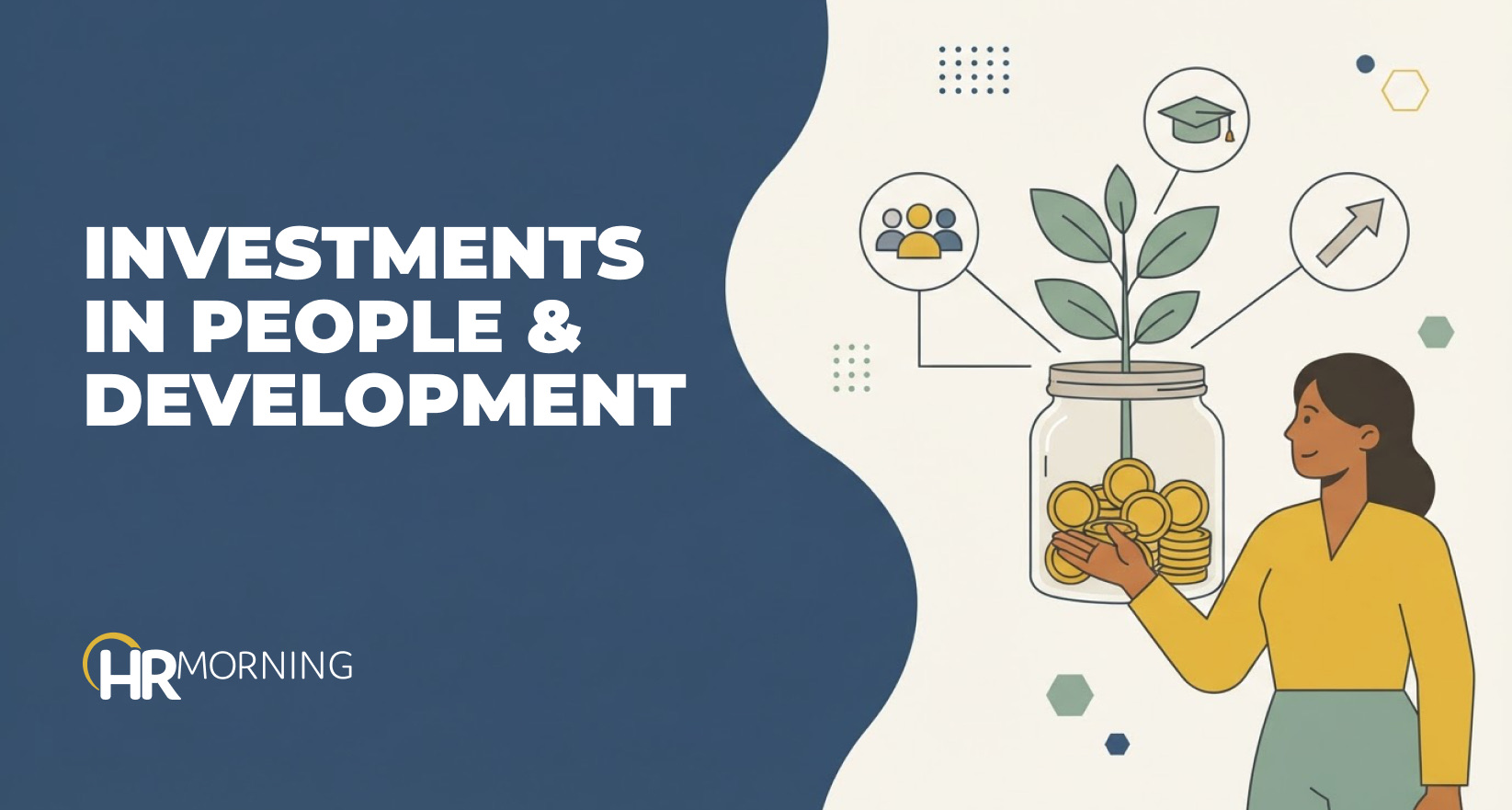
The tug-of-war between HR leaders and their colleagues in Finance has historically been complex.
HR often wants people investments and workforce development, while Finance favors cost-cutting measures.
But that dynamic is shifting. More organizations are navigating AI adoption, manager burnout, employee disengagement, and pressure to do more with fewer resources. So HR leaders want to build people strategies that their finance leaders can trust and back.
Why People Investments Are Important Now
But there are ways to get HR and Finance aligned so you can develop your workforce for the future.
“When workforce development is tied to solving real business challenges, development moves from being viewed as an expense to being recognized as a strategic business investment,” says Jolen Anderson, Chief People and Community Officer at BetterUp.
And here’s why people investments are more important than ever: BetterUp researchers analyzed behavioral data from 410,000 employees and found that work performance dropped between 2% and 6% since 2019. That decline counts for about $2.2 trillion in lost performance over five years.
“Workforce development isn’t simply about building skills; it’s about restoring the capabilities, such as purpose and a growth mindset, that drive business performance,” says Anderson.
For HR pros to gain more investment in people, processes and development, you’ll want to:
1. Focus on Challenges
When you want more investments in your people, start with the business challenge, not the training program.
For instance, most organizations are already focused on improving productivity and reducing turnover. If that’s your case, prioritize your development ideas around solving those challenges.
“The question isn’t whether employees completed a course, but whether the organization can measure meaningful behavior change and connect that change to progress against its business objective,” says Anderson.
When your people investment idea can be part of the solution to a business challenge, you’re more likely to get backing.
2. Hone in on the Right Metrics
It’s no secret that your good colleagues in Finance like numbers, metrics and data. But they like the right metrics best.
“CFOs look for evidence that an investment is producing measurable results,” says Anderson. “That means focusing on measures that reflect business performance, such as retention, productivity, internal mobility, reduced turnover cost, leadership readiness, or speed to proficiency.”
Pull together information to show your expected results are clearly defined, your data is reliable, and there’s a consistent way to evaluate the outcomes.
3. Get Finance Involved Early
When you want to build up, improve or even start a plan to invest in people and their development, get your CFO involved from the get-go.
“They can provide insight into business priorities and help identify where stronger leadership capabilities could create measurable value,” says Anderson. “They can also help establish clear expectations around outcomes and accountability from the outset.”
This will help you establish development — especially of your leaders — as a part of the business strategy, not just an HR initiative.
“That shared ownership leads to better decisions, stronger alignment, and ultimately a workforce that’s better prepared to support the organization’s long-term goals,” says Anderson.
- Share on


Free Training & Resources
White Papers
Provided by Maven Clinic
White Papers
Provided by Maven Clinic



