8 Best Employees: How to Attract, Keep Them

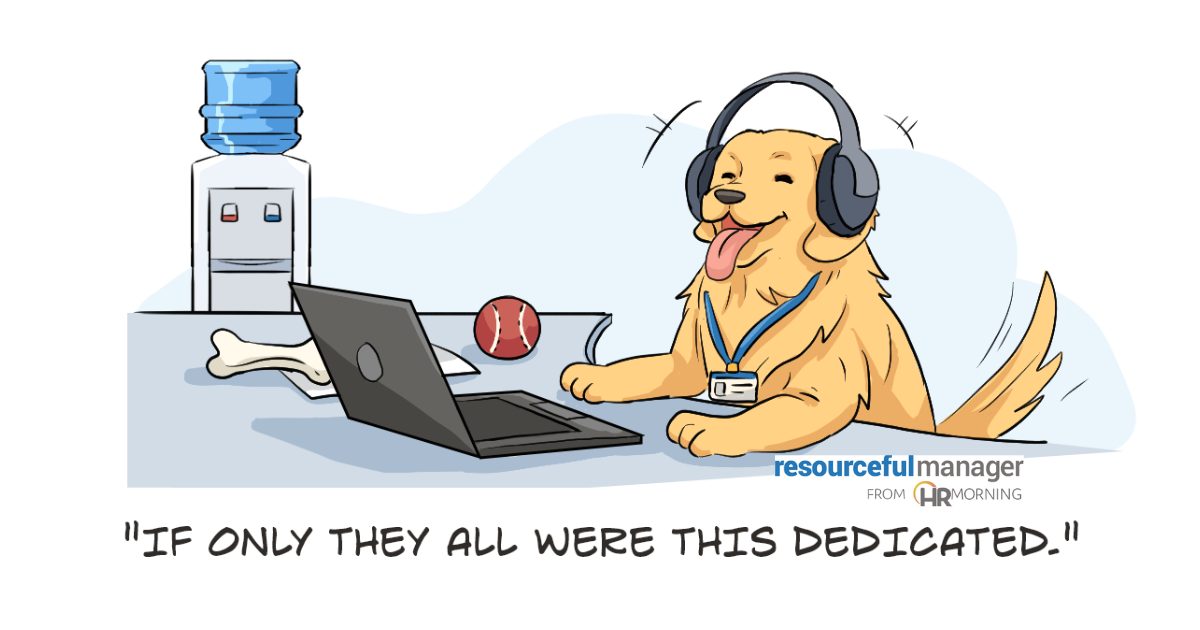
We often talk about the worst employees ever.
After all, they usually provide us with the most — ahem — colorful stories to tell.
But they also cause us the most grief and gray hairs.
So let’s talk about the best employees — the people who ideally make being a leader a pleasure. The people we want to surround ourselves with every day at work. The people who make things happen. The people whom we’d like to clone.
Who Are the Best Employees?
But who are the best employees ever? Where can you find them? How can you retain them? Or can you train them to be even better?
We have a roundup here. And we hope you already have a slew — if not all — of them on staff. But if you don’t, we’ve included tips to attract, train and retain them.
Here it goes …
Dedicated Darian
Dedicated Darian has a strong sense of loyalty and support to his employer, career and industry. He has a passion for his work and maintains a positive attitude.
Attract: It might be more difficult to attract Dedicated Darians because they’re often loyal to their existing employer or industry. But you might get a leg up if you can appeal to their sense of passion: If your organization is dedicated to something that aligns with their interests, such as philanthropy or sustainability, make sure they know.
Train: Dedication is best taught by example. So try to assign Dedicated Darians like-minded mentors. Also note, they’re often ideal to train in areas they don’t have experience because they’re dedicated to work.
Retain: Continue to appeal to their passions by giving them opportunities to pursue their greater interests — and support those when you can.
Reliable Rhonda
You can trust Reliable Rhonda. When she’s put to task, the job will get done — and it will get done well with little or no oversight. She shows up and delivers, arrives on time, participates in work-related events and consistently meets deadlines.
Attract: You can find and hire more reliable people by showing them the same: Be reliable and thorough throughout the hiring process and onboarding.
Train: Fortunately, reliability can be taught. The best way is to give employees who show reliability a little more responsibility with each assignment.
Retain: Reward Reliable Rhonda with flexibility and bonuses for her successes as she takes on more responsibility.
Confident Cathy
Confident Cathy is often more productive than your average employee because she believes in her abilities and naturally manages tasks. Beyond that, she is likely to speak up with new ideas, and convince others to adapt and improve.
Attract: You want to look for job candidates with a record of embracing challenges, accepting setbacks and overcoming them. Confident Cathy wants to know she’ll be challenged and rewarded in her role.
Train: Confident Cathy is usually looking for ways to improve her skills, so you’ll want to regularly lead her to opportunities to learn new skills and grow her knowledge.
Retain: Give her ample opportunities to move up in her career within your organization.
Team Tommy
Everyone loves Team Tommy because he’s a successful collaborator who lifts up those around him. He has patience and dedication to the group and its mission. But don’t be mistaken — Tommy cares about his personal success as much as the team’s. So if he isn’t working with other team players, he’ll charge ahead.
Attract: While everyone says they’re “team players” in interviews, they all aren’t. You want to look for people who talk about their contributions to a team win and take some responsibility for team misses.
Train: Adaptability is one of Team Tommy’s strongest traits. So give him opportunities to try different roles where he can help lead and motivate.
Retain: True Team Tommys likely want to remain part of teams as opposed to just leading them. So ensure that Tommy never ends up in a silo.
Critical-Thinking Charlie
Every team needs Critical-thinking Charlie. He often has a different perspective on problems and develops logical solutions. In fact, Charlie sometimes recognizes problems before anyone else so they’re averted.
Critical thinkers ask the right questions, not just more questions. They often catch critical details others miss.
Attract: To attract more Critical-thinking Charlies, you want to promote autonomy and decision-making power in the job role you post.
Train: Give critical thinkers time and autonomy to work on problems rather than bog them down in group training or thinking.
Retain: Continue to give Charlie opportunities to identify and solve problems. Reward critical thinkers for the money and/or time they save by solving issues.
Independent Isabella
In the hybrid and remote work world, Independent Isabella is more critical than ever. She has a strong focus, is a self-starter (and finisher) and is resourceful. She does a solid job of critiquing and editing her own work, too.
Attract: Independent Isabella is often found inside your organization because you — or other managers — have the ability to already see that she has the qualities you need.
Train: The best training for an independent person is most often self-led, so offer her opportunities to train online on her time.
Retain: One word: Autonomy. Give Isabella as much of it as possible.
Accountable Anna
Accountable Anna is self-aware. She understands her strengths and weaknesses, which prompts her to ask for help when she needs it and charge ahead when she knows “she’s got this.”
Attract: You can find and hire more Accountable Annas through good interviewing. You’ll want to ask candidates to identify instances when they succeeded and failed — and what they learned from each. An accountable person will be able to easily see both sides of that coin.
Train: Accountable Anna likes feedback! So use one-on-ones to praise her strengths and give direction in the areas she’d like to improve.
Retain: Give Anna ample opportunities to hone skills and develop, leading her to expanded roles and respect.
Interpersonal Ivan
Interpersonal Ivan has strong communication skills. He carries himself well with colleagues, bosses and customers — pretty much anyone he comes in contact with throughout work. He is a true professional who is open-minded, and good at listening to and interpreting others.
Attract: Interpersonal Ivan is usually attracted to work that allows him to interact with others daily. He likely pursues work in positive, interactive environments, so you want to promote those characteristics in yours.
Train: If anything, Interpersonal Ivans might need some training on — or time for — focused work.
Retain: Interpersonal people often like the limelight, so you might keep them engaged with opportunities to present or moderate meetings or special events.

- Share on


Free Training & Resources
White Papers
Provided by Maven Clinic
White Papers
Provided by Maven Clinic