Bored at Work: 6 Ways to Dump the Slump

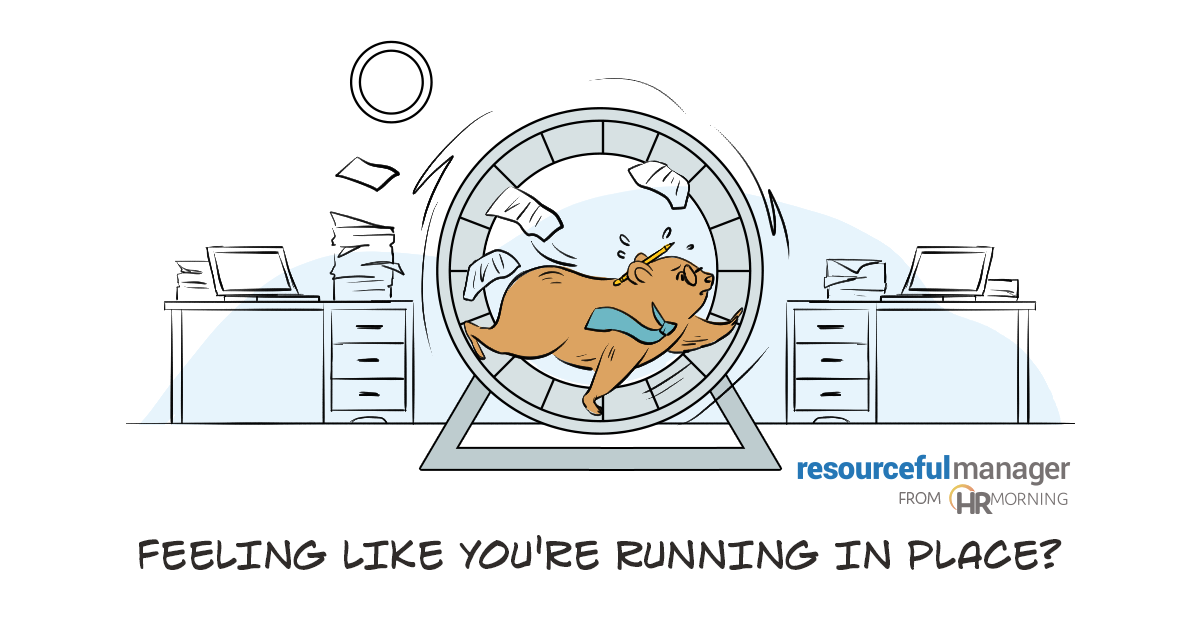
I’m bored at work. My daughter is bored at work.
For very different reasons, we’re bored.
And it’s the perfect example of a new leadership concern: boredom.
But it turns out that we’re not alone. TikTok’s #boredatwork has more than 215k videos and half a billion views of disengaged, creative employees. And while Gen Z is the most active on TikTok, boredom spans the generations (case in point from above: I’m Gen X and my daughter is Gen Z).
Bored at Work Tied to Engagement
Boredom is closely tied to engagement: Boredom leads to disengagement. Disengaged employees are bored.
More than 15% of employees are actively disengaged, basically work against the company’s goals, according to Gallup research. Just 21% of employees are fully engaged, working for the cause and unlikely tired of what they do.
Boredom Takes Center Stage
“Many employees arent seeing the purpose in what they are doing,” says Mark Royal, Senior Client Partner, who specializes in employee engagement at Korn Ferry.
Korn Ferry takes all business matters seriously, but at one point the company leaned harder into boredom at work, calling on in-house experts to analyze and comment on it.
“It should be a huge wake-up call for management,” says Shanda Mints, VP of Recruitment Process Outsourcing Analytics and Implementation at Korn Ferry.
What’s behind the rise in boredom? In some cases, people are unhappy in their current jobs. Others feel stuck. Some aren’t challenged enough. Others just don’t have enough to do.
So if you’re disengaged, or you suspect your employees are, you want to act before anyone is tempted to post ridiculous videos.
Here are six tips to dig out of the slump:
1. Know It
First, you need to know if you — or one of your employees — are bored at work (which, in some HR circles is called “boreout”).
Here are seven signs:
- Complacency — just not interested in or don’t care about the work
- Zealous busyness — trying to look busy so no one realizes you aren’t all that into your work
- Absence — being withdrawn at meetings or company events, or less available at work
- Anxiety — stressed and anxious over little things
- Disconnection — becoming more disconnected from work, colleagues and company activity
- Sadness — not feeling valued, and
- Lack of motivation — no longer having the desire and “umph” to do more.
Of course, these aren’t the only signs. If you literally feel bored, you are bored.
2. Find the Meaning
Whether it’s you or employees who are disengaged at work, you’ll want to get refocused on meaning.
Start by asking yourself or employees:
- What do you find most meaningful?
- Do you feel recognized for it?
- Does it align with personal and company goals?
Understanding what’s meaningful is a crucial step to figuring out how you can get interested and back in sync with what engages you at work.
3. Ask for More
In my daughter’s case, she’s a newbie. She has a lot to learn, and her boss doesn’t have enough work that aligns with her level of experience. (In the boss’s defense, he only has so much time to train her.) So she doesn’t have enough to do.
My advice to her is what we share here: Go ask for more work. As long as it’s OK with your boss, offer your help in another department. Tell co-workers you’re available to help them.
This will fill the time, curb boredom, open your eyes to other roles and responsibilities, possibly open up new opportunities and, perhaps most importantly, show that you’re a go-getter.
4. Use Downtime Strategically
For many, apathy kicks in when demand slows or they’re between projects.
You and/or employees can use that time to explore other work you’d like to try, skills you’d like to learn or jobs to transition toward.
5. Expand Your Skills/Knowledge
The Korn Ferry experts suggest that leaders find and provide opportunities to help their employees reach career advancement and skill development. Same goes for leaders. You might need to pursue your own rather than wait for opportunities to be handed to you, but you’ll likely climb out of boredom quicker if you think about advancement.
When you start to zone out, use the time to check out TED Talks that can inspire you. Or scroll through mostly free online courses from MOOCs, Coursera and Harvard Business School to advance your career.
6. Own the Solution
In my situation, this isn’t the first time in my career I have lost interest. It probably won’t be the last. But I can look back on how I successfully climbed out of the slump.
I stuck my nose in things that weren’t necessarily my business. I set my sights on new assignments that I wanted to own. I came up with projects I wanted to launch. When I caught wind of something going on with another team that would need support from my group, I jumped at the opportunity.
Bottom line: If you’re tired of what you’re doing, that won’t change. You have to change what you do.

- Share on


Free Training & Resources
White Papers
Provided by Maven Clinic
White Papers
Provided by AbsenceSoft