
Hybrid Work Realities: 5 Trends for HR
By
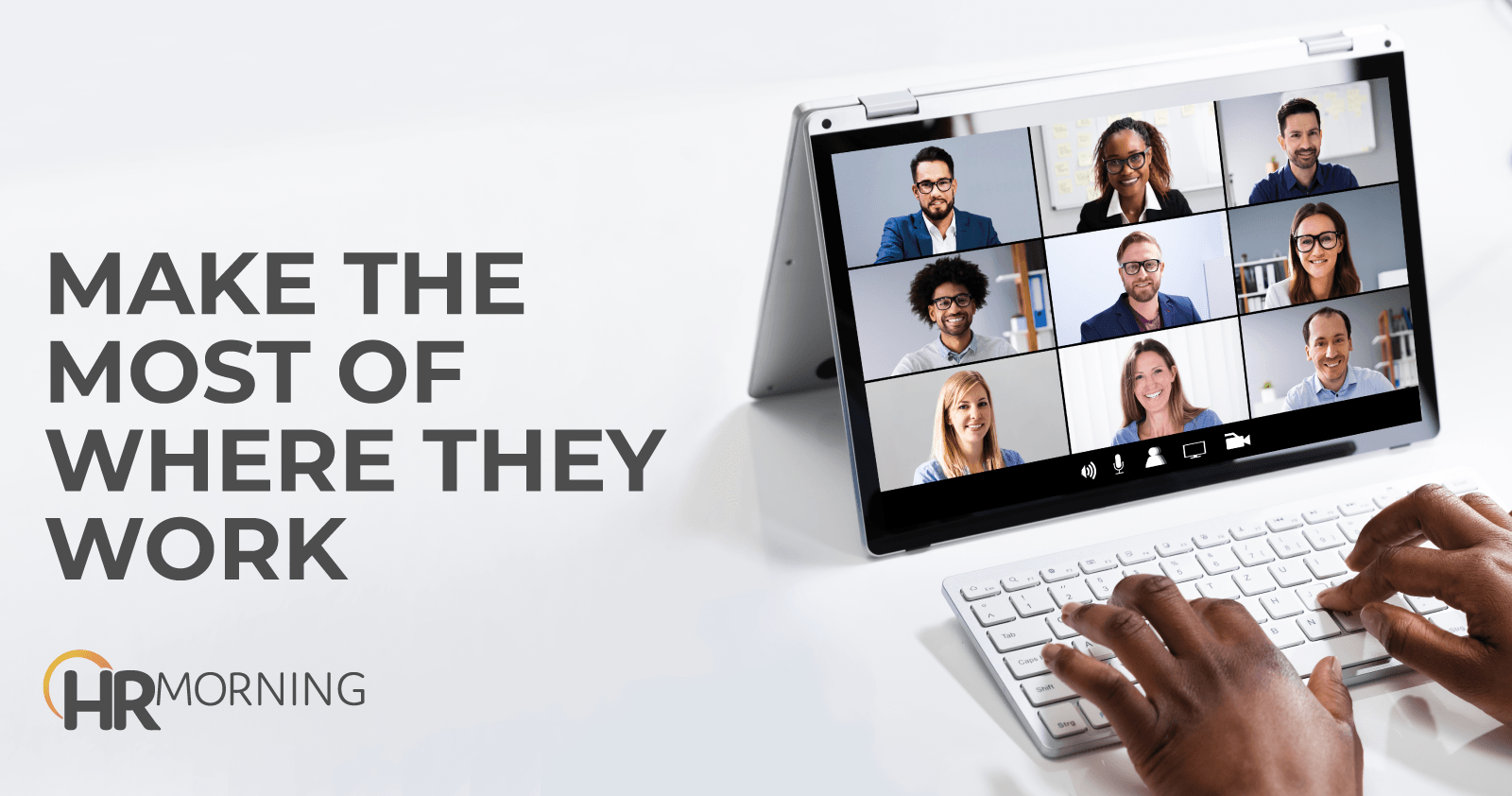
Is hybrid work the cure-all we expected?
Not exactly.
At one point, employers needed hybrid work – a way to keep employees safe and healthy while getting the job done. At the same time, employees wanted – and in some cases, demanded – hybrid or remote work.
But schedules and resources split between two locations has continued to have some downsides.
“People … working differently, have felt disconnectedness,” says Niamh Graham, SVP of Global Human Experience at Workhuman. “But {now} is a new beginning and people want that stability.”
Many HR leaders and their organizations found ways to make the most of hybrid work. Some have even done better with it. And hybrid work done right can provide the stability employees crave, possibly reducing turnover.
White Papers
Building an Adoption-Friendly Workplace: Benefits That Help Families Grow and Employees Stay
To that, here are five trends in hybrid work – and how HR leaders can capitalize on them to make their plans work even better:
Hybrid Work Here to Stay
Some form of hybrid work will likely exist well into the future, if not forever. So you need a plan to incorporate or manage it, regardless of the size of your business or industry.
Even hands-on businesses, such as those in manufacturing, will need some ground rules on hybrid work for office roles. Plus the evolution of technology will only improve employees’ abilities to get their work done from afar a few days a week.
And it makes sense for companies: 63% of high-revenue, growing companies already embraced “work anywhere” models, according to research from Accenture.
“There’s a pattern emerging in the post-pandemic workforce – the ‘productive, anywhere’ worker,” says Christie Smith, Senior Managing Director and Global Lead of Accenture’s Talent & Organization/Human Potential. “This new workforce segment consists of individuals who remain productive – whether on-site or at home – and who have the strongest personal and organizational resources.”
So it’s important to create a hybrid work plan that includes (at least):
- a master schedule that everyone can access
- availability expectations, and
- workflow protocols.
Help Them Focus
Hybrid work can be distracting. If and when employees need to move equipment between locations, they lose time and attention to the set up and tear down.
Advertisement
But they also face distractions at each location that can hurt productivity. According to research from The Economist Intelligence Unit, employees working at home are distracted by:
- temptation to relax (28%)
- household chores (25%)
- other house mates’ (kids, spouses, pets, parents) needs (22%), and
- uncomfortable home work setup (13%).
Employees working from home at any point need to be as productive as they would be on-site. So you might want to establish criteria for work-from-home setups. Include requirements for:
- quiet, dedicated space
- freedom from caregiving responsibilities during work hours, and
- minimal technology capabilities (such as internet speed and audio/visual equipment).
On-site, help employees avoid the biggest distraction cited in the Economist study: interruptions by co-workers. It happens even more often now because employees have limited time together and they try to connect more while on-site.
Encourage employees to post virtual or physical calendars, blocking off time for personal work, meetings and collaboration.
Keep Them Connected, Celebrated
Hybrid offices probably don’t have the same feel they had when they were filled full-time. Culture and community is bound to change.
“Having your workplace community is vital,” says Graham. “Now companies need to reimagine their way forward and re-energize their community.”
Now hybrid work groups will likely need to make extra efforts to stay connected because they don’t see each other as much. The organic kinds of recognition, camaraderie and collaboration don’t happen as often.
So you might try one of Graham’s tips: Thank. Talk. Celebrate.
It pays off: Employees who are recognized in some form at least monthly are twice as likely to be engaged, three times as likely to find meaning and purpose at work, and four times as likely to be happy at work. They’re also less stressed than employees who don’t feel the love, Workhuman researchers found.
Give employees tools to publicly or more quietly thank each other for help or great work.
Also give them time to schedule conversations that are centered around priorities, goals, initiatives and plain old “how are you doing?”
Finally, give them tools or times to celebrate life events – such as weddings, births and sports or arts accomplishments – and professional milestones such as certifications, promotions and goal achievement. You might do it through an app, town halls (virtual and physical), online newsletters, press releases and meeting room board announcements.
Make On-Site Days Meaningful
We talked about the importance to remove distractions from work, even when employees are on site. But you’ll want to make on-site days a force for good.
HR’s Budget Season Cheat Code: Win Over Ops, IT, and Finance Before the Budget Meeting
You might plan a monthly or quarterly day when all employees come on-site for training, teambuilding and beyond.
At Workhuman, they call for “Key Core Days,” Graham shares. The leadership team plans town hall meetings to share information and get employee feedback. They also add a fun element or community event so employees can laugh, bond and connect again.
Another example: Tim Rowley, COO at People Caddie in Chicago turned their former “Off-Sites” into “On-Sites.” The team used to take annual trips to train and boost morale. Now he brings the mostly remote team on-site for a few days to do all the morale-building activities and training again.
Acknowledge the Divide
Some employees will love their time on-site. Others will look forward to the time working more individually at home. So you’ll want to continue to cater to both of their needs and preferences.
“With hybrid, you need wellness, business support, learning and training that covers at home and on-site,” Graham says.
For instance, you might offer an wellness allowance that employees can use toward their preferred exercise or well-being choice. Some may want a gym membership or on-site yoga instruction. Others may use it toward meditation apps or home subscription exercise bike services.
When it comes to training and career opportunities, create materials that employees can access remotely or on site. That way employees can choose where and when they’re most comfortable learning.
“Companies that are going to focus on a workplace experience – no matter from where – will achieve better employee engagement and profitability,” Graham says.
Further Reading
When the Big Boss Behaves Badly: 3 Things HR Wants to Do in Wake of Nvidia Scandal
What happens when the big boss behaves badly? It’s a question HR pros are asking in the wake of the Nvidia scandal: The CEO, Jensen Huang, had admitted to one extramarital affair and another is alleged. One of the mistresses is accused of being a Chinese spy, possibly compromising national security. The other is alleged […]
10 Tips to Improve Employee Engagement as Engagement Rates Plummet
HR professionals might consider employee engagement the glue that holds company success together. No matter what you talk about – productivity, leadership, professional growth, retention, recognition, culture, well-being – everything ties back to employee engagement. Not to mention, it is the most important indicator to gauge work satisfaction. But it’s at high risk: Employee engagement […]
Help Employees Customize Their Career Paths | 2-Minute Video
Most employees don’t want to follow the traditional career path these days. Some have a background or experience in one field and get interested in another. Others might see better opportunities outside their current chosen path. So if you want to keep good employees, you’ll also want to help them build a career path that […]
3 Ways to Turn Succession Planning into a Companywide Talent Strategy
Have you named who will fill that role when your tenured leader retires? Will you keep the position limited to one person or will you divide it and create additional roles? Which roles will be backfilled as you move people up? With succession planning in mind, these questions should be top of mind for HR […]
Slowmaxxing: What It Is and Why HR Needs to Be Concerned
Slowmaxxing has hit the workplace. It’s the latest in the world of “maxxing” — when people take an activity to the extreme to get major benefits. Slowmaxxing started as a wellness trend centered on mindfulness and slowing down everyday routines. And according to experts at Owl Labs, it has spilled into the workplace, with employees […]
Could Payroll Your Most Underutilized Retention Tool? 3 Keys to Unlock Its Strategic Value
Most HR leaders spend significant energy on benefits strategy and almost none on payroll strategy, even though payroll is the only touchpoint that reaches every single employee, every pay period. That gap is costing companies more than they realize. The gain in employee retention could be phenomenal. Payroll as a Retention Strategy When something goes […]