

Resilience: 5 Strategies to Master Perseverance + Tenacity
By
At a recent college graduation I attended, the student speaker coined a word I found intriguing: “persevacity”.
Persevacity, which combines the words “perseverance” and “tenacity,” is required to cultivate bounce-back resilience. We all experience adversity, difficult days, and rocky times. We all make mistakes. Every human feels the sting of failure. However, failure is not a dead end, but rather a stepping stone toward success. Being resilient and excelling at persevacity gives us the capacity to see missteps as learning experiences.
Resilience Strategies
The resilient person internalizes the truth that difficult days and past mistakes do not define them. Every sunrise is a new beginning. Every morning brings the opportunity to forget the fractured, shattered or broken pieces of yesterday and start anew.
Here are strategies to build your resilience:
1. Believe in Yourself
Perhaps the most important strategy for becoming a resilient person is to believe in your unlimited potential and know that the seeds of greatness are inside you. James Allen wrote in his book “As a Man Thinketh” that the mighty oak sleeps in the acorn and the bird waits in the egg. If you believe in who you are today and know that you will be even greater tomorrow, you will carry yourself with confidence. Your tone of voice will be convincing, your smile genuine, and you will have the strength to be resilient.
2. Practice Relabeling
Unknowingly, we label life’s stressors as horrific, awful, dreadful, etc. These labels cause intense emotions inside of you. Donald Tubesing in his book, “Kicking Your Stress Habit,” recommends relabeling the experience to change the emotions surging through your body. Relabels include “interesting,” “what a challenge,” or “true learning experience.” The concept of relabeling calms emotions, provides you with a new perspective after a less-than-favorable event, and makes resilience possible.
3. Build Endurance
Two framed quotes hang above my desk.
- One: “DETERMINATION – what we hope to do with ease, we must first learn to do with diligence.”
- Two: “PERSEVERANCE – Effort only fully releases its reward after a person refuses to quit.”
These two quotes give me the power to endure, adapt, and keep going when I face experiences that challenge my mental and emotional strength. Serious health problems, workplace stressors, and daily conflicts all require endurance and help me emerge stronger than before.
4. Exercise Your Power of Choice
The negative and positive run parallel every day, and you choose which you will be: a positive person – a resilient person – or a negative person who quits at the first hiccup in a plan. The optimistic and confident person sends positivity into the universe, and like a boomerang, positive things come back to them. The negative person sends negativity into the universe, and, true to the boomerang effect, negativity comes back.
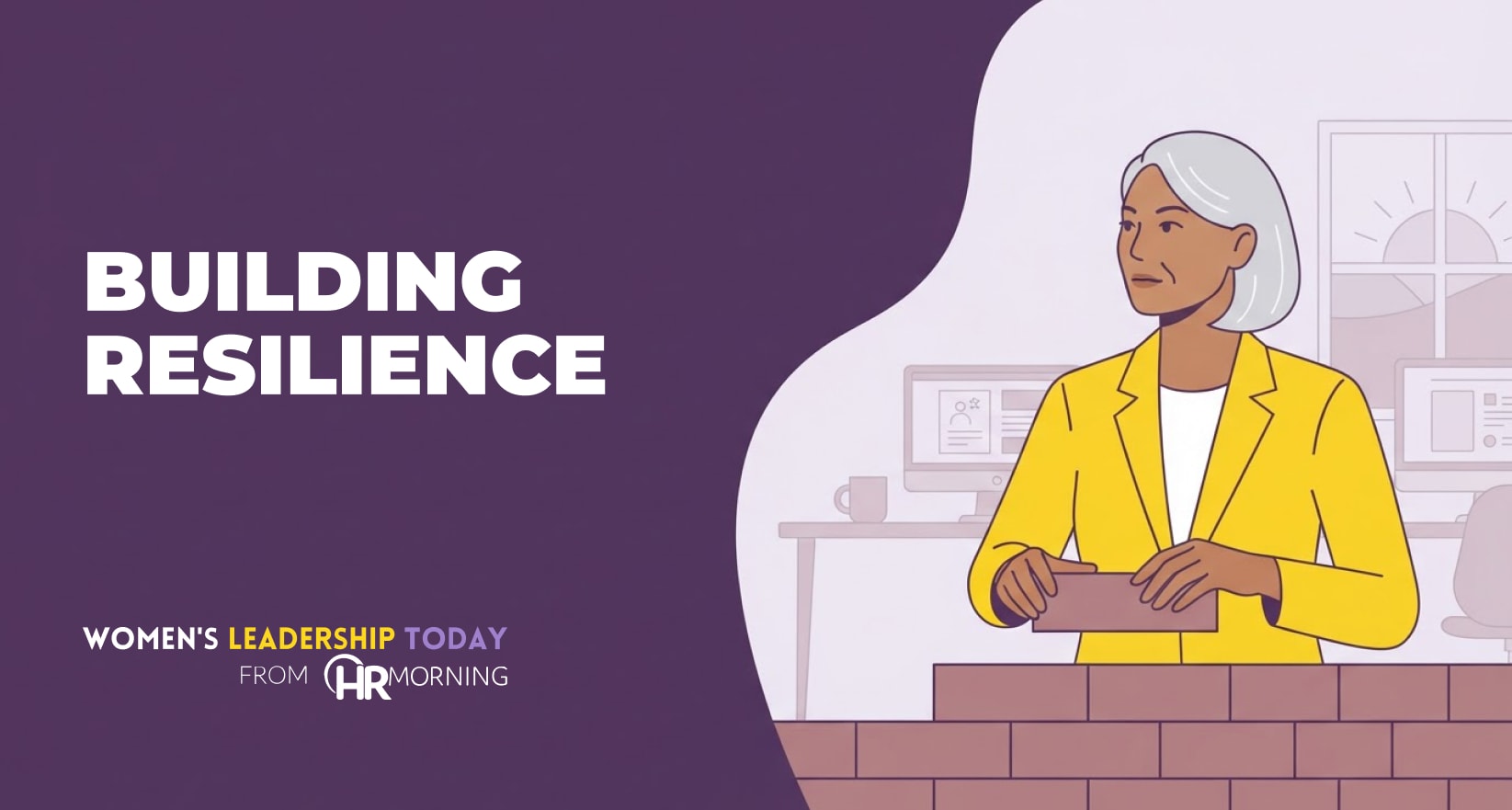
5. Evaluate the Walls You Build
Without any effort, we build walls of positivity and self-worth and walls of negativity and self-doubt. A wall of positivity blocks the negative from entering your sphere and affecting your mental and emotional state. In the same way, we build walls of negativity that block the positive from influencing us.
 | In addition to believing in your personal power, the bricks that build a wall of self-worth include: • Being authentic • Becoming a problem solver • Changing viewpoints — or relabeling • Exercising your power of choice • Having a positive and optimistic attitude • Taking proactive control when you can • Using humor to alter the perspective of a situation |
 | The bricks that build a wall of self-doubt include: • Feeling rejected – real or imagined • Experiencing distress • Being sorrowful for past slip-ups • Indulging in self-downing • Surrendering to depression • Feeling a lack of control over your circumstances • Increasing fear of not measuring up • Letting anger control you |
Build a wall of positivity and self-esteem, and never forget that you get to decide if you are going to be a negative person or a positive, resilient person.
Resilience Example
A pot of boiling water can help us understand resilience. Drop a potato in the boiling water, and you will soon have mashed potatoes. Drop an egg into the boiling water, and you get a hard-boiled egg. But drop coffee beans – they do work without being ground – in the water, let the whole coffee beans steep for 40-60 minutes, and you have a drink that millions around the world must have to start their day.
Advertisement

The application? When you are experiencing hot water, do you wilt, shrivel and turn to mush? Or do you harden, stop feeling with your heart, and let anger or depression overtake you?
Or the third choice: Are you resilient, using the boiling water as energy to create something the world wants? Do you say to yourself, “I CAN DO THIS?” If you use these words, you will act on this belief and demonstrate to the world that you have resilience and perseverance.