The Importance of Supporting Mental Health in the Workplace


The U.S. Department of Health and Human Services (HHS) defines mental health as a person’s “emotional, psychological and social well-being.” It affects how people think, manage stress and relate to others. Mental health is important because it affects all areas of our lives. For example, some mental illnesses cause physical symptoms that are otherwise unexplained.
The Centers for Disease Control and Prevention (CDC) also reports that mental illness can increase the risk of stroke, diabetes and heart disease. Also, someone with a severe mental illness is more likely to become seriously ill after contracting COVID-19. At the same time, chronic physical ailments can contribute to mental health issues.
Mental Health Statistics
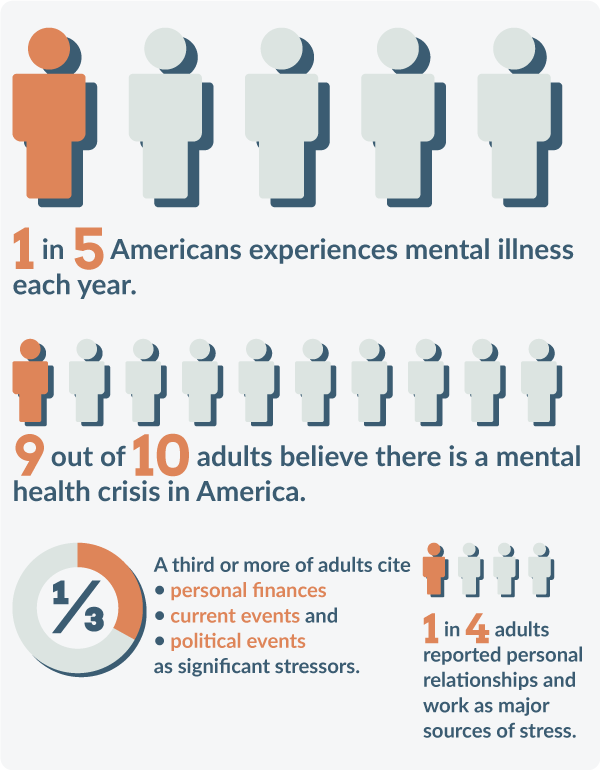
Millions of people are affected by mental illness, and the crisis has been growing over the last several years. According to the National Alliance on Mental Illness, one in five Americans experiences mental illness each year. And a survey from CNN revealed that nine out of 10 adults believe there is a mental health crisis in America. Not surprisingly, the pandemic exacerbated the situation.
Now, with inflation and recession fears, a third or more of adults cite personal finances, and current and political events as significant stressors. In addition, almost one in four adults reported personal relationships and work as major sources of stress.
The Transition to RTO
In fact, one in three employees says that returning to work has harmed their mental health, making them anxious and depressed, reported McKinsey. Initially concerns included social anxiety, difficulty with change, and the fear of contracting COVID-19 and spreading it to their families.
Now, many employees have realized they can do their work remotely and want to keep the flexibility that comes with a remote or hybrid work arrangement.
Mental Health Issues in the Workplace
One of the groups most likely to experience mental health problems is the over 20 million U.S. healthcare workers, including nurses, physicians and medical assistants. What makes this a high-risk group is their challenging working conditions, including:
- Long work hours
- Unpredictable and irregular shifts
- Demanding physical and emotional work
- Daily exposure to human suffering and death, and
- Increased risk of exposure to disease and injuries.
Some of the most common issues in the workplace include stress and burnout, depression and anxiety.
- Stress and burnout. The World Health Organization (WHO) describes burnout as a workplace phenomenon characterized by feelings of cynicism, exhaustion and reduced effectiveness. Some signs of employee burnout to watch for include irritability, disengagement and decreased productivity. Teams may also become more sensitive to feedback or complain of having trouble sleeping due to work worries.
- Depression. Depression is one of the most common issues in the United States, with 7.1% of adults (17.3 million) having a major depressive disorder, according to the National Institute of Mental Health. Some common warning signs include sadness, loss of motivation, difficulty concentrating and boredom. Unfortunately, many employees will be good at masking their symptoms, given the stigma associated with mental illness in the workplace. That’s why it pays to look for common red flags like:
- Isolation from others
- Reduced productivity
- Detachment or disinterest
- Significant changes in appearance, and
- Missed meetings or excessive absences.
- Anxiety. Anxiety is another issue commonly found in the workplace. It’s a different type of mood disorder that can overlap with depression. The main difference between the two is the symptoms. While depression is a persistent feeling of sadness, anxiety involves uncontrollable fear and worry.
Key Factors in Workplace Mental Health
An employee’s mental health in the workplace can be negatively affected by several factors, including:
Unsafe Working Conditions
Workers can be injured or develop illnesses when an employer fails to provide a physically safe work environment. Employees who don’t see their workplace as a risk-free zone are likely to feel insecure and less engaged.
Excessive Workload
Having too much to do and not enough time to do it takes a toll on an employee’s mental well-being. It can result in stress and burnout, which can increase the likelihood that employees will leave the organization over time.
Harassment or Bullying
Disrespectful behavior, like bullying, can negatively impact an employee’s mental health in the workplace. For example, exposure to harassment or bullying is typically associated with burnout, depression and anxiety. It also causes those who witness bullying to experience higher levels of stress.
Job Insecurity
Given inflation, mass layoffs and predictions of a possible recession, unemployment fears have become more widespread. As a result, the uncertain work environment negatively impacts workers’ mental health. In fact, research shows that job insecurity is related to the risk of anxiety, depression and emotional exhaustion.
Lack of Growth and Development
When employees don’t feel challenged by their work, their well-being suffers. It also results in a drop in morale, performance and engagement.
How Mental Health Issues Can Impact the Workplace
Mental health issues affect not only employees but also teams and the overall business.
Impact on Employees
Mental health issues negatively impact employees’ job performance, communication, engagement and productivity. In addition to emotional effects, mental illnesses can affect physical abilities. In fact, mental health illnesses, like depression, can interfere with an employee’s ability to complete physical job tasks and reduce cognitive performance.
Impact on Teams
When employees are absent due to mental illness, it can increase their colleagues’ workload. Over time, this can be taxing on the overall team. Mental health issues can also result in strained relationships with co-workers. If an employee is having a difficult time emotionally, they may avoid interactions with teammates, which makes it hard to share ideas and engage in creative problem-solving.
Impact on the Business
Mental health issues can have a profound impact on the business. For example, poor employee mental health results in increased absenteeism and decreased productivity. In addition, high turnover is a common side effect of poor employee mental health which means having to incur additional costs to recruit new employees. Finally, higher health insurance costs can add up over time.
What You Can Do to Support and Promote Mental Health
Human resources, management and employees can all contribute to supporting and promoting mental health in the workplace.
What HR Can Do
Prioritize Mental Health Benefits
What to do: HR can make sure the company offers comprehensive benefits that prioritize mental health in the workplace.
How it helps: Doing this gives employees access to affordable medical benefits that include no or low out-of-pocket costs for medications, counseling and treatment services.
Create Feedback Loops
What to do: It’s important to incorporate feedback from employees and relevant dependents into programs and policies using tools such as surveys and polls.
How it helps: By giving employees a voice, they feel part of the solution.
Establish a Communication Plan
What to do: Create a plan to communicate clearly and often to employees about the organization’s mental health policies, benefits, programs, resources and training opportunities.
How it helps: Doing so encourages the use of these specialized benefits and helps eliminate the stigma around mental health in the workplace.
What Managers Can Do
Lead by Example
What to do: It’s important for managers to be open and share with their team when they’re having a difficult time.
How it helps: This approach normalizes the ability to be vulnerable and reduces the stigma around mental health conversations.
Check In with Their Team
What to do: Managers also need to create a safe space for employees that includes acceptance, openness and transparency.
How it helps: This helps teams feel comfortable initiating conversations around their mental health or approaching their managers with sensitive issues.
Understand Company Policies
What to do: All managers need to understand their organization’s mental health policies and programs so they can keep their teams informed.
How it helps: This allows teams to know they’re cared about and allows managers to seek feedback on whether the resources are helpful.
What Employees Can Do
Set Healthy Boundaries
What to do: Employees need to know that they should set healthy limits on their time, like not checking email in the evenings or letting their manager know that they need advance notice of work-related travel.
How it helps: Setting healthy boundaries benefits employees’ mental health and sets a good example for colleagues.
Start a Gratitude Culture
What to do: Write thing that went well that day and why, or simply write an email to someone they’re grateful for.
How it helps: A gratitude culture results in less stress, fewer sick days and higher job satisfaction.
Create an Employee Resource Group (ERG)
What to do: Establish a mental health ERG.
How it helps: A mental health ERG promotes diversity and inclusion, and provides support for employees managing symptoms of mental health conditions.
We live in uncertain times and with that comes stress and anxiety. When you combine that with employers vying for top talent, it’s never been more imperative to support mental health in the workplace. By normalizing conversations around mental health and identifying potential issues before they reach a crisis point, you’ll create a culture where employees will not only survive but also thrive.
- Share on