
Wellness programs can’t work when employees aren’t aware of them
By
There’s no downplaying the benefits of employee wellness and wellness programs. Workplace wellness initiatives can improve morale, boost productivity and lead to overall healthier employees.
Recently, employee wellness has taken top priority as workplace stressors like inflation and layoffs rise, leading to increased stress in the workplace. All HR needs to do is implement wellness initiatives and provide these resources to employees, right? Not so fast.
Even with a solid wellness program in place, employees aren’t always using wellness benefits when they truly need them.
Employees are stressed, but that’s not the whole story
It’s no secret that employees are stressed. Almost three-quarters (73%) of respondents said they experience moderate or high levels of stress, according to Alight’s 2022 international workforce and well-being mindset report.
White Papers
Building an Adoption-Friendly Workplace: Benefits That Help Families Grow and Employees Stay
The study also found that:
- 34% of workers reported symptoms of burnout
- One in three employees felt that their employer does not care about their well-being
- Only 15% of U.S. and U.K. employees are aware of employer-sponsored stress-management programs
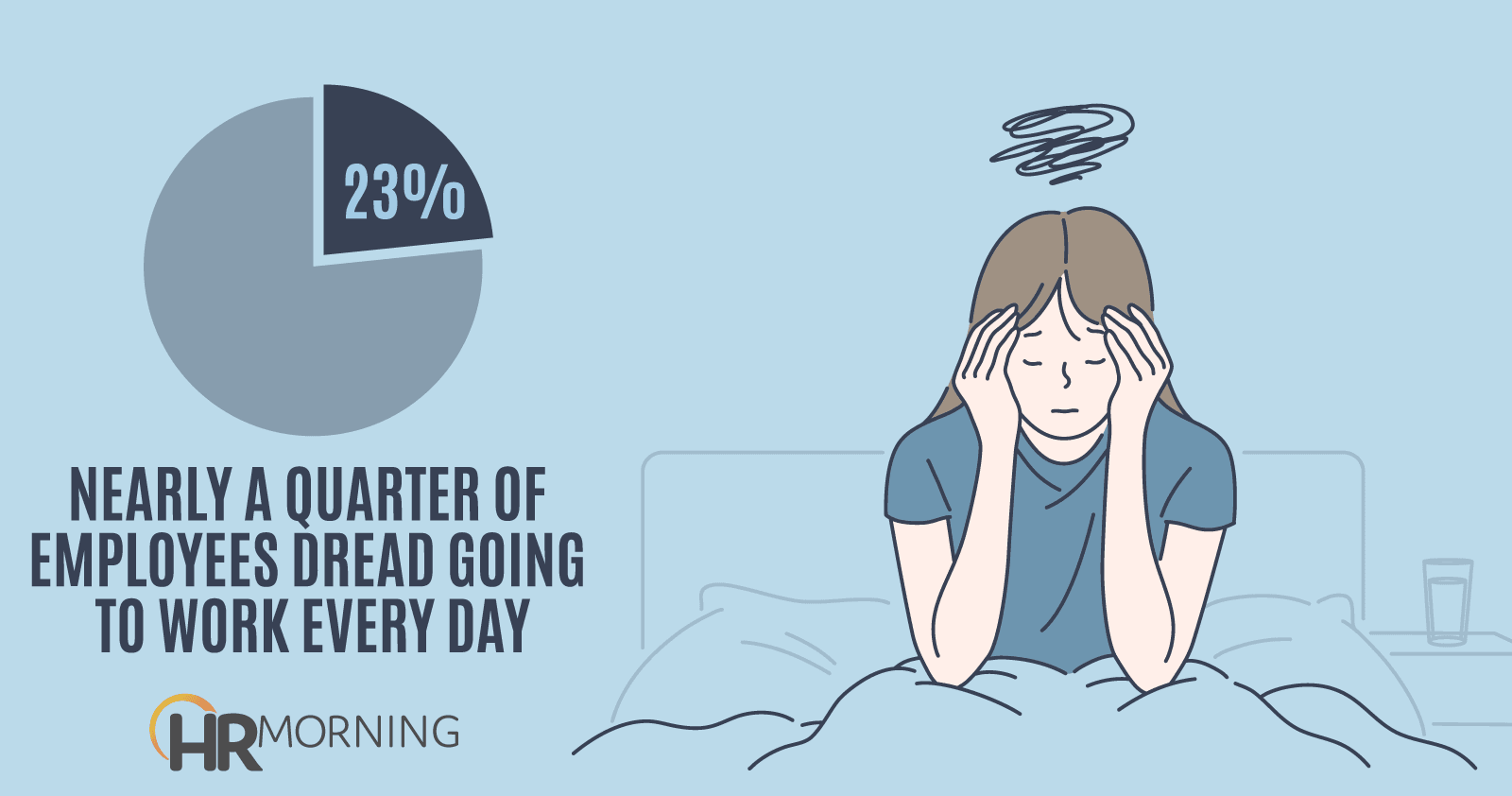
- Of those who were aware of stress-management benefits, only 23% used it, and
- More American respondents (43%) are stressed about long-term financial planning than any other country.
“These sentiments demonstrate a disconnect in employees’ views of their workplace well-being benefits, as large employers have continued to make significant investments in workforce well-being benefits and programs,” said Ellen Kelsay, president and CEO, Business Group on Health, in a press release.
How to help nudge employees toward wellness programs
If employees aren’t utilizing the resources they need, how can HR help to push them in the right direction without overstepping boundaries? Here are a few tips for helping employees find the mental health resources they need:
- Make employees aware of available wellness programs: Programs that are created with employees in mind and personalized to the needs of your workforce are a great step forward – but make sure employees know about what your company offers with reminders and training for online resources.
- Continuously educate employees on mental health and resources: There is still a stigma around receiving help for mental health, so employees who are aware of resources may be apprehensive to use them or think they can’t help their situation. You may want to provide education in a quarterly or bi-annual meeting to remind employees that it’s OK to seek help and ensure they know where to find it.
- Be on the lookout for signs of struggle: An employee in the throes of stress or burnout may not even be aware of the effect that it’s having on their mental health. Stay on the lookout for signs that an employee may be struggling and offer resources when appropriate. But be careful not to push employees toward a single solution for their mental health. Instead, offer what you can and give them the autonomy to decide what’s best. Sometimes just a simple reminder about mental health resources can help give on-the-fence employees the push they need to seek help.
Further Reading
4 Ways HR Leaders Can Prepare Managers To Handle Mental Health Disclosures
The right resources for mental well-being help everyone, including managers. The National Alliance on Mental Illness (NAMI) 2026 Workplace Mental Health Poll found that 73% of managers without company-provided mental health resources feel burned out, compared to 45% of managers with them. Responding to Mental Health Disclosures How a manager responds to formal mental health […]
Employee Recognition: 5 Keys to Sustained Employee Motivation
Keeping employees motivated isn’t getting easier. Lean teams, competing priorities, and rising expectations mean HR leaders are being asked to do more with less, while still driving performance, engagement, and retention. The truth is, motivation fuels results. And one of the most effective ways to strengthen it is also one of the most overlooked: meaningful […]
Overlooked Tool to Help with Mental Well-Being | 2-Minute Video
When employees struggle with burnout or any other mental well-being issues, they can’t do their jobs on-point. That’s why you want to help them stay healthy. And the sooner you can help them recover from — or avoid — issues, the better. What’s Up in This Episode: Mental Well-Being Help Fortunately, in this episode of […]
7 Ways Employers Can Reduce Stress in the Workplace
Workplace stress is a big source of day-to-day turmoil for many employees, which is why it’s important employers take an active role to reduce stress. Even better, you can target specifically each year during Stress Awareness Month in April, helping employees identify issues and hopefully manage or overcome them. Good business outcomes depend, in part, […]
Employee Mental Health: 6 Solutions to HR’s Big Challenge This Year
Employee mental health will be one of HR’s biggest challenges this year. But HR professionals have hope that they can help their employees navigate their well-being. The challenge is real: Nearly a third of employees say mental health is their No. 1 safety concern at work, according to Pie Insurance’s newest Employee Voice on Workplace […]
Why ‘Boreout’ Could Cost You as Much as Burnout — and 9 Ways to Fix It
Employees may complain they’re burned out. But they might actually suffer from “boreout.” They’re both damaging, according to new research: Boreout rivals burnout in terms of its financial loss to companies. The study, “The Health and Economic Burden of Employee Burnout to U.S. Employers,” points to the mental-health toll: Disengaged employees — that’s their clinical […]