• Skip to primary navigation
  • Skip to main content

HRMorning

  • FREE RESOURCES
  • PREMIUM CONTENT
  • HR DEEP DIVES
  • PODCASTS
    • VOICES OF HR
    • WOMEN’S LEADERSHIP TODAY
  • LOGIN
  • SIGN UP FREE
  • Employment Law
  • Benefits
  • Recruiting
  • HR Technology
  • Payroll
  • Management
  • Women’s Leadership
  • More
    • Talent Management
    • Performance Management
    • Leadership & Strategy
    • Compensation
    • Policy & Procedures
    • Wellness
    • Staff Departure
    • HR Career & Self-Care
    • Health Care
    • Retirement Plans
  • Leadership & Strategy

3 Ways to Balance Flexibility and In-office Culture Now

Steve Sonnenberg, HR Expert Contributor
By: Steve Sonnenberg, HR Expert Contributor
  • Share on

About the Author

Steve Sonnenberg is the co-founder and CEO of Awardco. At a young age he watched his father provide rewards and recognition solutions to companies like McDonalds and the Chicago Bulls, and he's always had a passion for how technology can solve previously unsolvable problems. Since 2015 Steve has been hard at work reimagining the way we use technology to reward and recognize employees, drive employee behavior and happiness, and facilitate organizational success.

Show Less
Last Updated: March 27, 2024
4 minute engagement
3 Ways to Balance Flexibility and In-office Culture Now

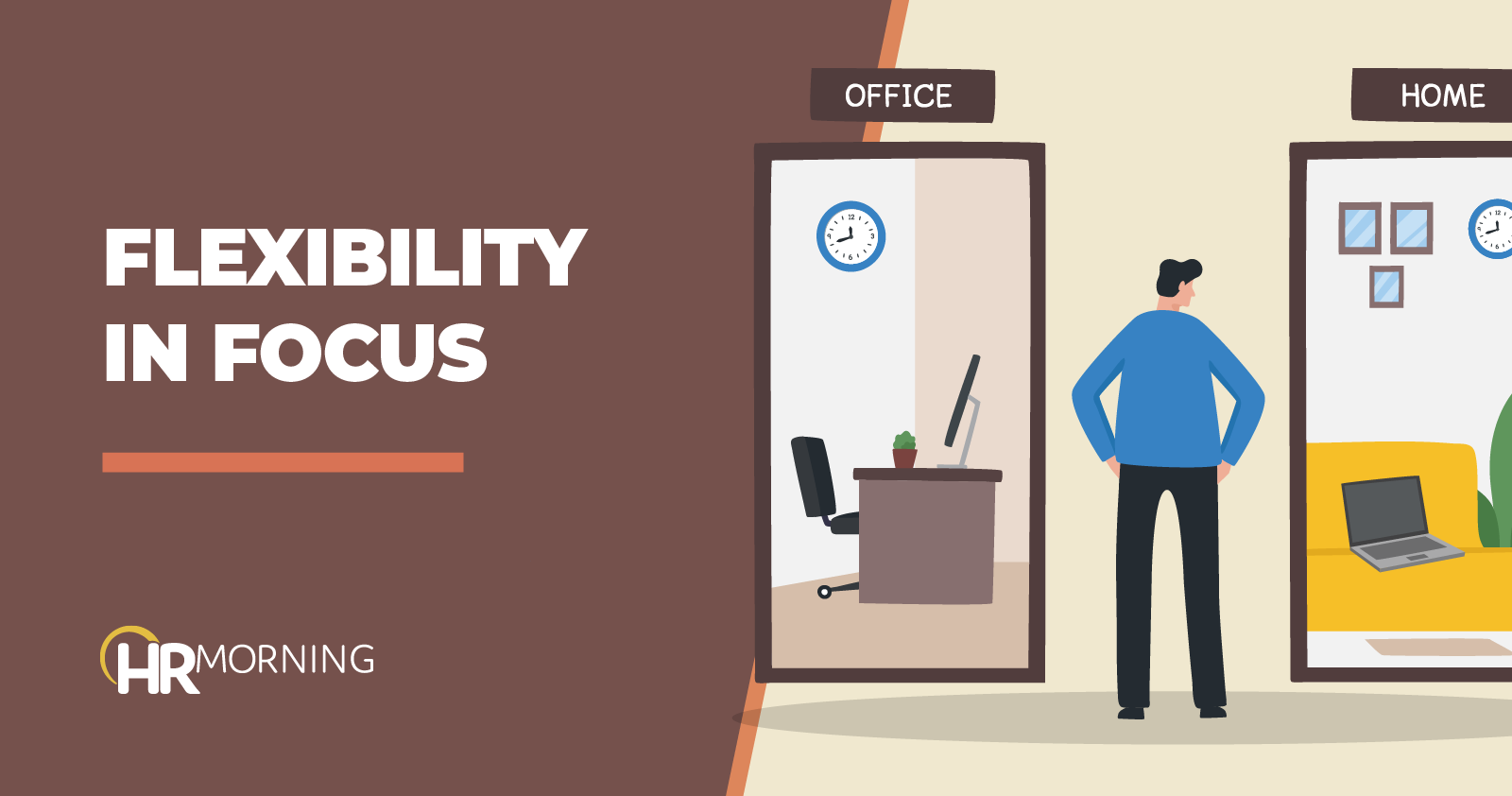
One of the newest snags in the employee-employer relationship is the idea of flexibility. Employees want it, but employers are afraid it will harm their in-office culture and productivity.

Is there a way to balance flexibility and in-office culture? We believe so.

A startling 90% of companies plan to implement return-to-office policies by 2025, but on the flip side, 76% of employees stated they’d quit their jobs if flexibility was taken away.

Balance Flexibility and In-office Culture

This tug-of-war has been causing contention between employees and employers all over the world, and we at Awardco aren’t immune. One of the pillars of our culture has always been flexibility, but at the same time, we know in-person work is important to both culture and business success.

Through our own trial and error process, we’ve been able to strike a balance between flexibility and in-office time, and it’s a balance that I think most people are happy with. While there’s no right answer for everyone, I want to share some strategies that will hopefully help you find a solution that works for you.

1. Set Expectations, Give Leeway

This is the solution that Awardco was able to find. We’ve implemented a return-to-work policy that sets the expectation of working at the office when you’re able. However, we’ve instructed our managers to be open and understanding of anyone who has trouble with this.

Car in the shop? Babysitter canceled? Dentist appointment? Feeling overwhelmed? When anyone has these types of plans or workday interruptions, we aim to give them the flexibility they need to work from home, come in for a half-day or similar solutions.

Helping managers strike the balance between setting in-office expectations and flexibility is a work in progress, but we’ve really started to see the benefits of in-office collaboration and a flexible work environment.

Whether you offer unlimited PTO, the ability to work from home occasionally, or any other strategy to add flexibility into your policies, we’ve seen that it’s worth it.

2. Schedule Days/Hours, Let Employees Rest

Having everyone in the office to work, collaborate and build relationships is a great thing. By setting rules on when everyone needs to be in the office (while also keeping in mind the above strategy), you can make the most of this collaborative time.

For example, require people to be in the workplace on Tuesday and Thursday. Or require people to be in the office from 8 a.m. to noon. These requirements provide a little more structure than a simple hybrid work policy, and they ensure that most people will have frequent in-office time while also providing a good amount of flexibility for everyone.

If people enjoy time at work or need to collaborate, they can choose to work more than the requirements. But if people need to be home for any reason or need to schedule personal appointments of any kind, they’ll have the time to do so.

3. Make the Office a Great Place

No office upgrade will make it as comfortable as each employee’s home, but there are many updates you can make, both large and small, to help your people be more comfortable and happier to be in the office. Here are some ideas:

  • Provide ergonomic equipment. Ergonomic keyboards, supportive chairs and standing desks are just some ideas for making each person’s workspace more comfortable.
  • Exercise spaces and time. Provide walking desk treadmills or pedals for employees to use while working. If you have space, create a gym or workout space for employees and see if anyone is interested in running a fitness class, like yoga or cycling.
  • Set up focus areas. There’s no denying that the office can be a little distracting. To that end, set aside rooms or areas where employees can go and quietly focus.
  • Allow for team activities. Do your teams have break times? If not, consider implementing a specific time for teams to relax, play a game or go for a walk together. This can strengthen relationships while also giving everyone an important break.
  • Offer food and snacks. This is a common solution, but you have to make it worth it. Bring in catered meals a few times a week, offer a range of healthy and filling snacks, or subsidize meals from local eateries. 
  • Plan holiday celebrations or random events. Fun events can really brighten everyone’s day or week. Don’t just think of holidays, though — games and activities for events like Employee Appreciation Day and March Madness can make a huge difference to your in-office culture.

Before anyone will want to spend time in the office (especially if they’re used to working from home), the office has to be a place that people want to be.

Mesh in-office culture and employee flexibility. Show employees you care about their lives and needs by integrating flexibility seamlessly into your in-office culture — especially if you’re considering a back-to-office mandate. We’ve seen the benefits of blending these two pillars together, and I’m confident your efforts will bear fruit, too.

Filed under
  • Leadership & Strategy
  • Share on

Get the HRMorning Newsletter

With HRMorning arriving in your inbox, you will never miss critical stories on labor laws, benefits, retention and onboarding strategies.

  • This field is for validation purposes and should be left unchanged.
  • This field is hidden when viewing the form
  • This field is hidden when viewing the form
  • This field is hidden when viewing the form
  • This field is hidden when viewing the form
  • This field is hidden when viewing the form
  • This field is hidden when viewing the form
  • This field is hidden when viewing the form
  • This field is hidden when viewing the form
  • This field is hidden when viewing the form
  • This field is hidden when viewing the form
  • This field is hidden when viewing the form
  • This field is hidden when viewing the form
  • This field is hidden when viewing the form
  • This field is hidden when viewing the form
  • This field is hidden when viewing the form
  • This field is hidden when viewing the form
  • This field is hidden when viewing the form
  • This field is hidden when viewing the form
  • This field is hidden when viewing the form
  • This field is hidden when viewing the form
  • This field is hidden when viewing the form
  • This field is hidden when viewing the form
  • This field is hidden when viewing the form
  • This field is hidden when viewing the form
  • This field is hidden when viewing the form
  • This field is hidden when viewing the form
  • This field is hidden when viewing the form
  • This field is hidden when viewing the form
  • This field is hidden when viewing the form
  • This field is hidden when viewing the form
  • This field is hidden when viewing the form
  • This field is hidden when viewing the form
  • This field is hidden when viewing the form
  • This field is hidden when viewing the form
  • This field is hidden when viewing the form
  • This field is hidden when viewing the form
  • This field is hidden when viewing the form
  • This field is hidden when viewing the form
  • This field is hidden when viewing the form
  • This field is hidden when viewing the form
  • This field is hidden when viewing the form
  • This field is hidden when viewing the form
  • This field is hidden when viewing the form
  • This field is hidden when viewing the form
  • This field is hidden when viewing the form
  • This field is hidden when viewing the form
  • This field is hidden when viewing the form
  • This field is hidden when viewing the form
  • This field is hidden when viewing the form
  • This field is hidden when viewing the form
  • This field is hidden when viewing the form
  • This field is hidden when viewing the form
  • This field is hidden when viewing the form
  • This field is hidden when viewing the form
  • This field is hidden when viewing the form
  • This field is hidden when viewing the form

Free Training & Resources

EBOOK, White Papers

Engage or Bust:  The Brutal Reality for Self-Funded Employers

Provided by Personify Health

Webinars

What’s Changed in HR Compliance: Labor Laws, Pay Transparency & Best Practices

Provided by Asure Software

White Papers

Making the Case: Proving ROI of Employee Recognition Programs

Provided by Inspirus

Webinars

How Company Culture Boosts Employee Performance

SPONSORED CONTENT

HR Technology

sponsored content
The Best AI Software for HR Automation

Courtesy of G-P

Talent Management

sponsored content
Powerful Employee Retention Strategies for 2025: How to Keep Your Best People

Courtesy of PEOPLEGURU

Benefits

Health Care

Wellness

sponsored content
Proven Results: 5 Ways Teladoc Health Chronic Condition Management Transforms HR Outcomes

Courtesy of TELADOC HEALTH

Further Reading

  • Leadership & Strategy
Effective Salary Budget Planning for 2026: Strategies for HR

As we head into Q3 2025, many HR and finance leaders are preparing salary budgets and setting strategic priorities for 2026. With ongoin...

  • Leadership & Strategy
6 End-of-Year Reminders That Save HR Time

As 2025 winds down, HR teams face a familiar challenge: preventable end-of-year cleanup that slows payroll and benefits administration. Add...

  • Leadership & Strategy
Beyond Quiet Quitting: 3 Cures for Apathy, Disconnect in the Workplace

In recent years, quiet quitting went viral, literally and figuratively. Mercifully, we might be hearing the term less. But make no mist...

  • Leadership & Strategy
How to make a culture change in the workplace

When Deloitte interviewed over 7,000 CEOs and HR leaders, 82% of respondents said they believed company culture could provide a competitive...

  • Leadership & Strategy
  • Wellness
Can HR do anything about employee happiness? Expert says ‘yes’ & shares steps to take

Minimizing burnout-related turnover and quiet quitting is still a significant challenge for HR pros. It indicates employee happiness is lac...

  • Leadership & Strategy
5 Toxic Bosses — and How To Never Be One of Them

Ask anyone to tell you about a toxic boss, and you might as well sit down for a while. There are a LOT of stories about bad bosses. ...

Get the latest from HRMorning in your inbox PLUS immediately access 10 FREE HR guides.

I WANT MY FREE GUIDES
HR Morning Logo
  • Facebook
  • Linked In
  • ABOUT HRMORNING
  • ADVERTISE WITH US
  • WRITE FOR US
  • CONTACT
  • Employment Law
  • Benefits
  • Recruiting
  • Talent Management
  • Performance Management
  • HR Technology
  • Leadership & Strategy
  • Compensation
  • Policy & Procedures
  • Wellness
  • Staff Departure
  • HR Career & Self-Care
  • Health Care
  • Retirement Plans
  • DEI

HRMorning, part of the Rover Insights Network, provides the latest HR and employment law news for HR professionals in the trenches of small-to-medium-sized businesses. Rather than simply regurgitating the day's headlines, HRMorning delivers actionable insights, helping HR execs understand what HR trends mean to their business.

Powered By Rover Insights
Privacy Policy | Terms of Service
Copyright© 2026 Rover Insights
HRMorning Logo

WELCOME BACK!

Enter your username and password below to log in

Forget Your Username or Password?

Reset Password

Lost your password? Please enter your username or email address. You will receive a link to create a new password via email.

Log In

Why do we need your credit card for a free trial?

We ask for your credit card to allow your subscription to continue should you decide to keep your membership beyond the free trial period.  This prevents any interruption of content access.

Your card will not be charged at any point during your 21 day free trial
and you may cancel at any time during your free trial.

During your free trial, you can cancel at any time with a single click on your “Account” page.  It’s that easy.