6 Ways to Correct an Employee Without Overwhelming Them

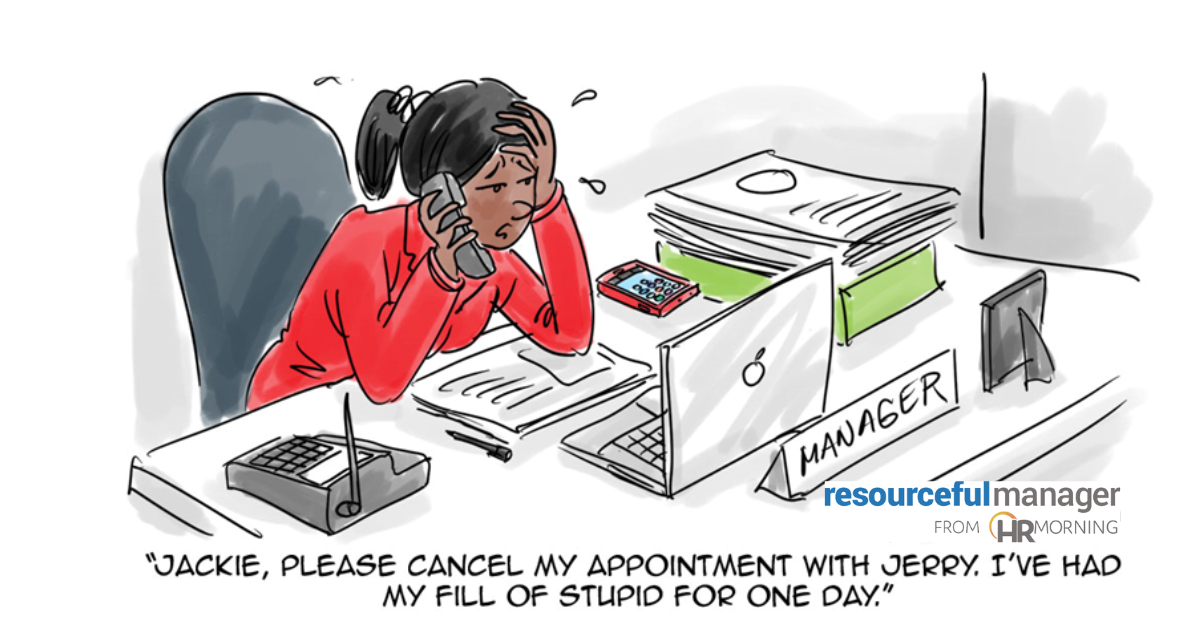
When managers see an employee do something wrong, their instinct is often to call out the behavior and correct it immediately.
Unless the employee has done something egregiously offensive, pointing out the mistake can turn into a good coaching opportunity.
Correct an Employee with Clarity
But if you correct an employee with the wrong approach, you risk demoralizing them and getting a less-than-desirable outcome. Worse, it could work against you.
So, correcting employees requires some subtlety. Here are six tips on how some of the best leaders pull it off:
1. Strike a Balance
It’s likely that the mistake the employee made isn’t catastrophic, so don’t react as if it were. Most screw-ups are fixable, even if a lot of fixing is required.
Make sure the employee understands that. “When I know something needs to be corrected, I take a moment to gather my thoughts on exactly what went wrong and what needs to change,” says Kevin Pitts, an executive coach and speaker at American Management Association conferences.
2. Resist the Urge to Say ‘I’m Right, You’re Wrong’
The employee is likely already aware that they’re wrong about something, so there’s no need to emphasize it. And regardless, it’s not the point: Correcting the problem is.
Not to mention, blowing up at them won’t help them feel safe to tell you the next time they blunder.
If the focus is on the employee rather than the problem, it gets personal! Even if employees are willing to accept a reprimand, putting them down corners them in defense mode, which then makes it hard to respond to feedback. This is critical if you need some drastic behavior change; employees might be less willing to comply because of the bad taste you left them with.
3. Correct an Employee In Private
When you need to correct an employee for an honest mistake, it’s appropriate to do the personal correcting in private. Once you call out an employee publicly for a mistake he or she has made, you run the risk of dismantling the culture of trust between you and your employees. And it could take a long time to re-earn that trust.
Plus, it wouldn’t hurt to point out some things the employee is doing well. People respond positively to that. Just don’t gloss over the mistake, or sandwich it between praise.
4. Understand Why the Mistake Was Made
When someone makes a mistake, listen to their explanations with an open mind. Showing genuine interest in what went wrong gets employees to be honest rather than offer lame excuses or point fingers.
This is important because you might hear something you didn’t expect. Your employee might take responsibility, but then let you know he felt he wasn’t properly trained to do the task in the first place, which isn’t his fault. The cause could be something you missed, so it’s key to be open to that possibility.
Listening and asking questions also shows respect. It gives employees the impression you don’t think they’re stupid because they did something wrong. It’ll keep them open to learning more so they can avoid similar mistakes in the future.
5. Get the Employee Involved in the Fix
Pull the employee aside and ask the employee two questions:
- What went right?
- How can we make it better?
“If he or she identifies good solutions, great, then we’re done!” says Pitts. “If not, I lay out what could’ve gone better and ask, ‘What do you think?'”
That gives the employee a chance to be a big part of the fix, which is necessary if he or she is to be properly coached to do the job in the future.
Being open communicates that you’re confident enough in your leadership to let employees do the fixing when they can. And understanding how they’d approach problems is vital for developing the right solutions and inspiring change.
6. Reframe the Mistake in a Teachable Moment
Strive to make the mistake a learning experience. The next time your team gets together, use some subtle maneuvers to point out the mistake, just in case your other employees might be doing the same thing.
But don’t name names if you don’t need to. Keep it to discussing how the mistake was made and how it was resolved so that your entire team can understand the correction.

- Share on


Free Training & Resources
White Papers
Provided by PerkSpot