
Essential InsightsPolicy & Procedures
Read this Essential Insight now
Heat Stress: Keeping Employees Safe
Part of the OSHA & Safety Series
Workers exposed to heat stress have a fatality rate 20 times greater than the average employee.
Heat stress symptoms aren't always easy to spot, and OSHA only offers minimal guidance.
So how do you protect your workers?
This Essential Insights provides the heat-stress information you need to identify heat stress warning signs, prevent heat-related illnesses and keep workers safe in hot conditions.
What's Inside?
Heat Stress: Keeping Employees Safe
Prevent heat stress in 30 minutes:
- Warning signs and symptoms to help recognize problems
- 6 key elements of a successful heat-related safety and health program
- Actionable ways to stop outside factors from worsening effects
- Fatality rate spike: Preventative measures that work
- Effectively train workers to stay hydrated and safe in hot conditions
Don't let heat stress jeopardize your workforce:
- CDC's 7-point prevention plan to effectively manage heat stress
- The 3 job risk factors most commonly putting workers in danger
- Medical surveillance programs that can be used at any worksite
- Best practices to determine who's susceptible to heat-related illnesses
- Getting accustomed to hot conditions: Acclimatization strategies
Keep workers safe in hot conditions:
- Sample rules and regs to make your own
- 2 easy-to-use checklists to assess heat hazards at any workplace
- Actionable ways to minimize exposure in high impact areas
- 7 risk factors to determine varying degrees of danger
- PPE that promotes cooling and reduces heat exposure
- Ideal zones for various climate contributors
What our customers say
“Highly recommended”
“From bite sized pieces of wisdom to full on training series, I highly recommend HR Morning!”
Cindy Saunders, SPHR | GPHR | SHRM-SCPHuman Resources Business Partner “Get the results you need”
“I knew I had a difficult conversation coming up with one of my employees. This helped me so much to prepare for the meeting.”
Sharon Peterson “Verbiage to use in real conversations”
“Very straight forward giving you good verbiage to use in real conversations.”
Beth BjorklundHR Coordinator
You May Also Like
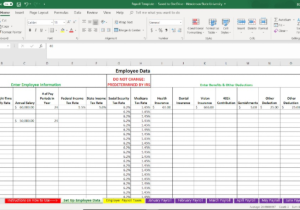
Excel for Payroll Professionals: Increase Efficiency and Accuracy
Let Excel make your payroll process simplified and error free. Join us for 100 minutes and walk away ready to utilize all Excel has to offer.