

These 6 Bad Bosses Make You Look Like a Saint
By
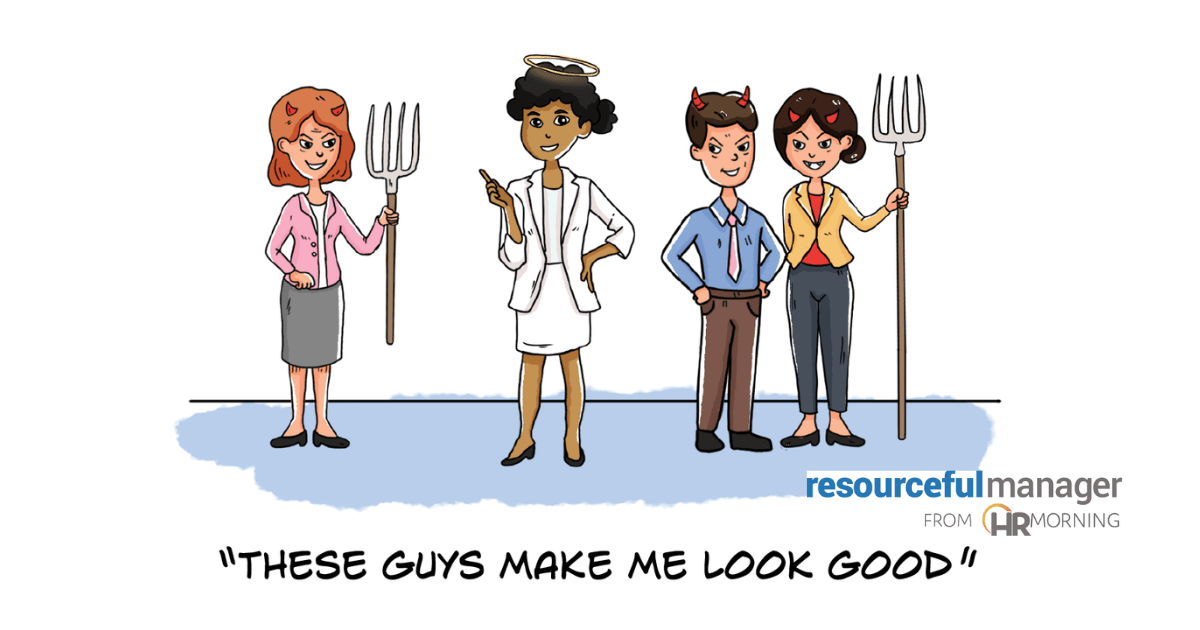
Mention “bad bosses” and people will line up to get a word in on that conversation.
But as a manager, you might feel a bit unsettled when the subject comes up. While we’re sure it’s not true, you wonder: Do any of my employees tell stories about me? What about former employees – how do they remember me? I’d make the ‘good boss’ list, right?
No worries. We’re pretty confident you’re great – after all, you take the time to find and implement management tips and tools like these on HRMorning.
Bad Bosses Come in a Variety of Styles
Our bad bosses are Grinches, thieves, egomaniacs and paranoid control freaks, among other things. And they likely make you look like a saint in the workplace.
White Papers
Building an Adoption-Friendly Workplace: Benefits That Help Families Grow and Employees Stay
Here are six bad bosses, their crimes and what you can do to avoid ever being them. Note that avoiding their behavior is critical because nearly half of all employees who quit in the last year loved their job, but couldn’t stand their boss, according to a BambooHR study.
No. 1: The Non-Family Guy
We talk a lot about work/life balance these days. Employees need it. Good managers want to give it to them. Bad bosses don’t believe in it – like this one who expects the balance to always teeter to work.
Do better: Don’t make employees choose. Talk about balance. Be willing to let them take care of life when that’s pressing by establishing that they’ll step up to work when it’s pressing.
No. 2: The Wedding Crasher
If you land a wedding invitation from an employee, you know you’re a respected leader. If you crash an employee’s wedding, demanding answers for a work project, you’re a jerk (and potentially a convict). Here’s the skinny from another employee who had to deal with the fallout.
He went to a co-worker’s wedding because he had a question about something and she was the only one who could answer it. One of the groom’s relatives is a police officer and she had to escort my boss out because he wouldn’t leave. He tried to have the co-worker written up at work over what happened.
Do better: OK, it’s pretty obvious that you shouldn’t show up at employees’ life events with work demands. But this extreme case is relevant in everyday work: Give employees a break. Don’t ask them for responses outside of normal working hours. In extenuating circumstances, establish before you both walk away from work that there may be a need to touch base briefly during non-work hours.
No. 3: The Thief
Advertisement
Employees move on. They might outgrow the role or not be satisfied. Most managers will be disappointed about that. But this bad boss expected compensation for the loss. An employee presented the dilemma to AskAManager.
When I had a few offers, I met with the boss and discussed them with him, especially since one of the offers is from a current client. He said that he wishes me well and that he will waive adherence to the non-compete clause, as the client is not changing any services with his company. A few days later, my boss called me and said that he felt it was fair that I pay 20% of my new salary as a conversion fee to his company. He said that it was because of him that I was able to interact with the company, and most recruiters charge 20% of the new salary as a fee.
Do better: Pick your freude! We’re all relatively familiar with scheudenfreude – a German term that describes deriving joy from others’ struggles or failures. When it comes to employees moving up or on, choose the lesser known freudenfreude – taking joy in others’ successes. Take pride, not a share of someone’s salary!
No. 4: The Swindler
Some bad boss behaviors border on comical (if they weren’t so sinister). Take, for example, author Dushka Zapata’s early career experience:
My first boss: Dushka, you have done such good work. The only way I can repay you is by promoting you and not giving you a raise.
Me: Huh?
Him: You see, the more money you make, the more you spend. I want to save you from this terrible vicious circle.I resigned immediately after this conversation. I thanked him profusely for the opportunity and the lesson and told him that, following his logic, I’d be better off making nothing.
Do better: Recognize, reward and promote people for good work. That includes raises.
No. 5: The Kiss-Up, Kick-Down
Remember at the top of this story when I mentioned “people will line up to get a word in on” a conversation about bad bosses. My colleagues didn’t disappoint. Many had stories to tell from past jobs – and they encapsulated some quintessential bad bosses. From one colleague, whose manager loved to kiss up and kick down …
My bad boss worked very, very hard to kiss the asses of those above him. In my experience, it was what kept him employed. But those on his level or below wouldn’t lift a finger to help him if he was struggling. That’s because he didn’t do anything to gain respect from direct colleagues or employees.
What’s more, he tended to hire very strong performers – those who make bad bosses look better than they were. My team was talented, beat deadlines and cared about our work despite working for a bad boss. I’ve talked with other people about that and a few agreed that bad bosses may instinctively know they’ve got to cover their asses by hiring the best.
Be better: A good boss has another title: team player. Be one, too.
No. 6: The Condescender
Many bad bosses use a condescending tone sometimes. The worst uses it all the time. In this tale – from another colleague and her previous job – you can see one of the most common bad boss behaviors, and it’s on steroids.
He always talked down to me and could never answer direct questions. If you asked him a direct question – for example, ‘What should the budget be for this month?‘‘ – his first response would be, ‘What I really think you’re asking is ….’ The worst thing is, he’d likely go in a totally different direction from what you really wanted to know – a complete tangent. He also had a terrible habit of making inappropriate jokes for the workplace – perhaps misogynistic or very political.
Be better: Treat employees with respect at all times. You might have more experience than them but no amount of experience allows anyone to disregard others’ thoughts, questions and concerns.
Further Reading
Your Workplace Policies Are Only as Strong as the Managers Applying Them
A manager’s everyday conversations with employees are where an organization’s policies are tested, especially in difficult scenarios that test manager readiness. An employee may ask why they earn less than a colleague, say a coworker’s comment made them uncomfortable, or request flexibility because of a health issue. No one is fully prepared for these moments, […]