Employee Recognition Program: What the First 6 Months Reveal About Whether It Will Last

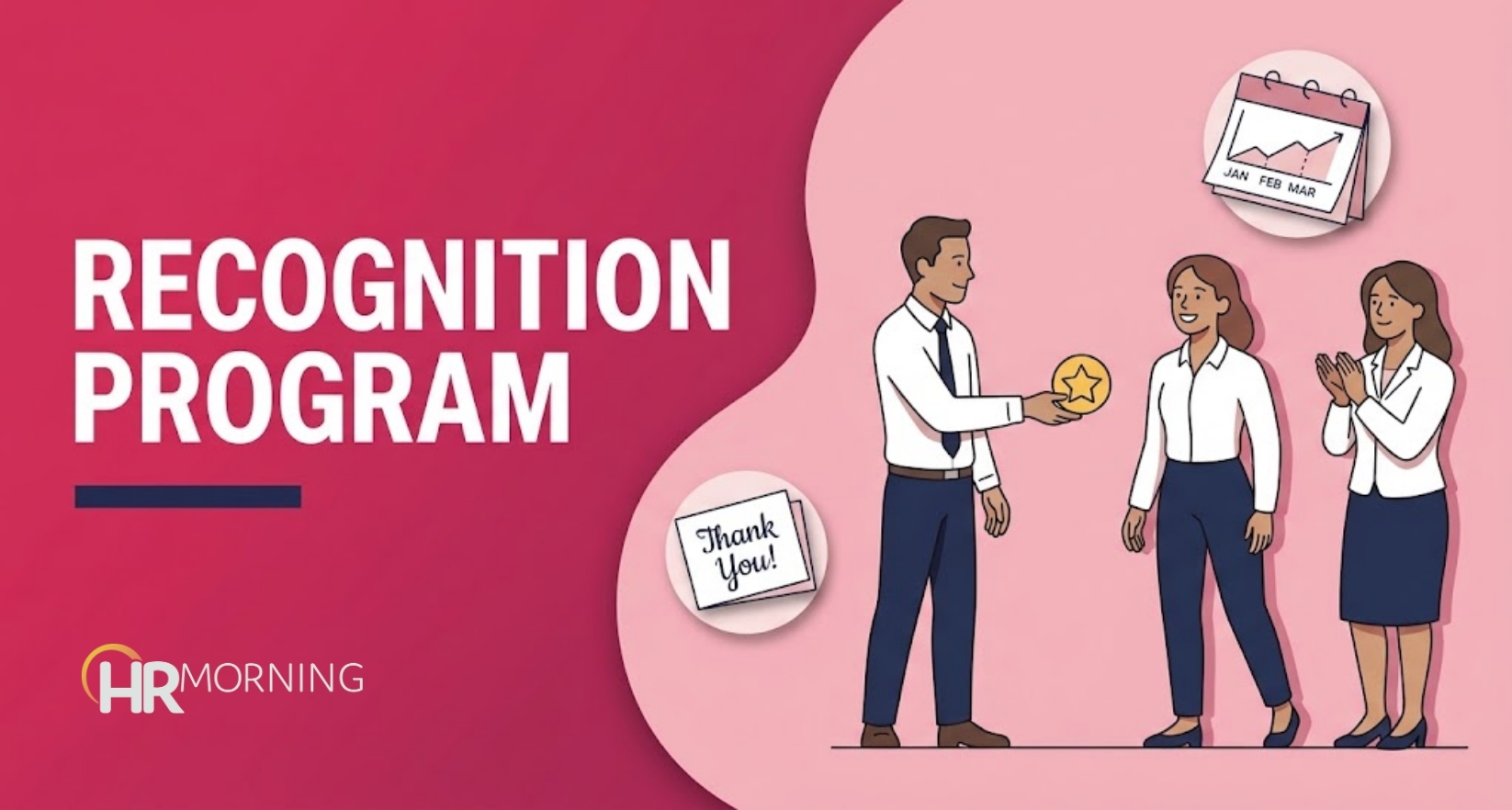
An employee recognition program tends to follow a predictable arc. Picture a 600-person distribution company that rolls one out in January. Leadership sends a kickoff video, a new platform goes live and the first week fills with shout-outs. HR is thrilled. By June, a handful of managers account for most of the activity, the points budget is lopsided across departments and many employees haven’t logged in since spring.
Nothing about that story is unusual, and nothing about it was inevitable. HRMorning’s look at how recognition builds lasting motivation makes the point that recognition only works when it becomes part of how people work, not an event. What separates a program that fades from one that lasts is mostly what happens in the planning stage and in the first six months after launch.
Month One: The Launch Feels Like Success
Early enthusiasm is real, but it’s also misleading. New platforms get attention because they’re new. The question HR should be asking in month one isn’t how many recognitions were sent. It’s who sent them, what they were for and whether they pointed at anything specific.
Back at the distribution company, most early messages were variations of “thanks for all you do.” Kind, but not useful. Nobody reading them could tell which actions the organization actually valued, so nothing about day-to-day behavior changed. An employee recognition program that starts with named behaviors, such as catching an inventory error before it ships or training a new hire on the floor, gives people something concrete to notice and repeat from the very first week.
Months Two to Four: Participation Quietly Narrows
This is where most programs start to slide, and it usually comes down to managers. Some recognize their teams constantly. Others intend to and simply forget. Within a few months, the participation data shows a clear divide between teams where recognition is part of the rhythm and teams where it barely registers.
Employees notice that divide even if HR doesn’t report on it. Someone in a quiet department sees colleagues elsewhere getting recognized and draws a reasonable conclusion: their work isn’t seen. Gallup’s research on workplace recognition found that the most memorable praise tends to come from an employee’s own manager, which is exactly why manager habits decide whether an employee recognition program reaches everyone.
The fix is less about motivation than about prompts. Calendar nudges, a standing recognition item on one-on-one agendas and monthly participation reports shared with managers turn good intentions into a habit. Recognizing the managers who recognize others helps spread it further.
Month Five: The Budget Problem Surfaces
Around midyear, budget issues tend to appear. Some teams have spent their allocation already. Others have barely touched theirs. Neither outcome means the employee recognition program is working or failing, but both signal that spend wasn’t planned around how recognition would actually be used.
A sound recognition budget is built before launch, not patched together midyear. It sets total spend based on headcount and engagement goals, divides that spend across monetary, experiential and social recognition, and plans for how engagement data will guide adjustments over time. Inspirus’s white paper, Budgeting for a Successful Rewards and Recognition Program, walks through each of those steps and how to manage costs while maximizing impact.
Month Six: Rebuild or Recommit
By the six-month mark, HR has enough data to decide what the program needs. For some organizations, that’s a light refresh: updated categories, a manager push and clearer examples of specific, behavior-based praise. HRMorning’s collection of employee recognition letter examples is a useful model for what that kind of praise looks like in writing.
For others, it means going back to the design questions that were skipped at launch. Which behaviors qualify? How should peer, manager and organization-wide recognition work together? Which milestones deserve a formal moment, and which everyday wins need a fast, low-friction way to be noticed? What will you measure, and when will you use it to adjust?
Inspirus’s Employee Recognition Playbook offers a tested framework for answering those questions, including how to design recognition that motivates the behaviors you want, implement peer, manager and organizational initiatives, and overcome the barriers that keep programs from sticking.
Writing a Different Ending
The distribution company’s story doesn’t have to end with a forgotten platform. An employee recognition program that starts with named behaviors, prompts managers consistently, budgets with a plan and gets reviewed on a schedule can look as strong in month six as it did in week one, and keep getting stronger from there. Learn more about Inspirus’s recognition and engagement solutions at inspirus.com.
- Share on


Free Training & Resources
White Papers
Provided by PerkSpot
White Papers
Provided by AbsenceSoft