• Skip to primary navigation
  • Skip to main content

HRMorning

  • FREE RESOURCES
  • PREMIUM CONTENT
  • HR DEEP DIVES
  • PODCASTS
    • VOICES OF HR
    • WOMEN’S LEADERSHIP TODAY
  • LOGIN
  • SIGN UP FREE
  • Employment Law
  • Benefits
  • Recruiting
  • HR Technology
  • Payroll
  • Management
  • Women’s Leadership
  • More
    • Talent Management
    • Performance Management
    • Leadership & Strategy
    • Compensation
    • Policy & Procedures
    • Wellness
    • Staff Departure
    • HR Career & Self-Care
    • Health Care
    • Retirement Plans
RM Logo
  • Talent Management

Benefits of Friendship at Work: 5 Important Do’s and Don’ts

Michele McGovern
By: Michele McGovern
  • Share on

About the Author

Michele McGovern writes. A lot. These days, she covers HR, digging deep into company culture, DEI, leadership, management and the everchanging world of work. In the years between getting a BA in journalism from a state school and writing about HR, she wrote about big-city crime for a wire service and small-town life for local newspapers. She’s a mediocre mom, decent wife, wannabe athlete and consummate pursuer of fun - on land, snow and water. Find her on LinkedIn @michele-mcgovern-writer.

Show Less
Last Updated: August 10, 2026
4 minute engagement

Friendship at work is much more than having a buddy to lunch with. Workplace friendships improve morale, culture and business results.

Leaders have good reason to build, encourage and foster friendships at work.

And while it might seem that work friendships don’t matter as much these days when so many people work remotely or in hybrid situations, the opposite is true. Gallup researchers found that having a best friend at work has become more important.

“We can’t overlook the importance of friendships at work. People who report having a ‘best friend’ at work are seven times more likely to be engaged in their job,” says Ed Stevens, Founder and CEO of Preciate. “And better engagement leads to increased productivity and retention than unengaged workers.”

Friendship at work isn’t just important for employees. Leaders and front-line managers need it, too. In fact, having a best friend at work is strongly linked to business outcomes, including increased profitability, safety and retention, the Gallup researchers found.

Specifically, people who have a best friend at work are significantly even more likely to:

  • Engage with customers and colleagues
  • Get more done in less time
  • Build and maintain a safe workplace
  • Innovate and share ideas
  • Have fun while at work
  • Recommend their workplace, and
  • Remain loyal to their employer.

With those compelling reasons, you’ll want to help employees build and encourage friendships. Here are three Dos and two Don’ts for fostering friendships:

Do: Rebuild Communities

If yours continues to be a dispersed workforce, find ways to give employees more opportunities to interact in social and learning environments. For many companies, that might be through existing Employee Resource Groups (ERGs). Bolster their resources by giving them time and funding to create programming for all employees to participate, if they choose.

If you don’t have official ERGs, you might try this cool idea Motely Fool shared: They asked employees, “Are you really good at something and interested in teaching others?” People who wanted to share their passions – such as sewing, DJing and bartending – set up Zoom classes for colleagues.

Do: Be Intentional

Many friendships form organically through interaction, common interests and shared values. But we interact differently in 2026 than we did just a few short years ago. So workplace leaders might need to intentionally create opportunities for friendships to blossom.

The key, Gallup researchers say: Make time. Leaders want to set the standard, allowing time before or after meetings for small talk and rapport building. Also, encourage employees to find ways to partner with and support each other to hit goals. A common goal often naturally fosters better relationships.

Do: Break Together More

People are increasingly burned out, and when they feel like that, they blame work, the boss and their colleagues. That’s a breeding ground for resentment, not friendship.

However, employees and leaders who take breaks from their work, technology and the grind tend to return refreshed and better equipped to hit goals. In one time-tested study, an overworked, stressed team that forced themselves to take more breaks – and mostly break together – ended up reducing the hours they worked and still hit goals. They also felt less stressed and more in tune with their teammates.

This likely needs to be a top-down effort. When leaders encourage employees to break from work and socialize a little, they’ll be more likely to do it.

Don’t: Force Friendships

You can do plenty to help employees – and yourself – build relationships. But you want to stop short of forcing friendship. And while you might be thinking, “We’d never demand employees be friends,” you want to be wary of making employees feel obligated to make or maintain friendships.

Avoid making any event that is focused on relationship-building mandatory. Also avoid saying things that employees might interpret as pressure to socialize, such as “This will be good for networking” or “You can make contacts by attending …”

Some employees will want to keep an arm’s length from others. Some employees may not like their colleagues. Others might believe in maintaining strictly professional relationships. Regardless, give employees space.

Don’t: Creep on Socials

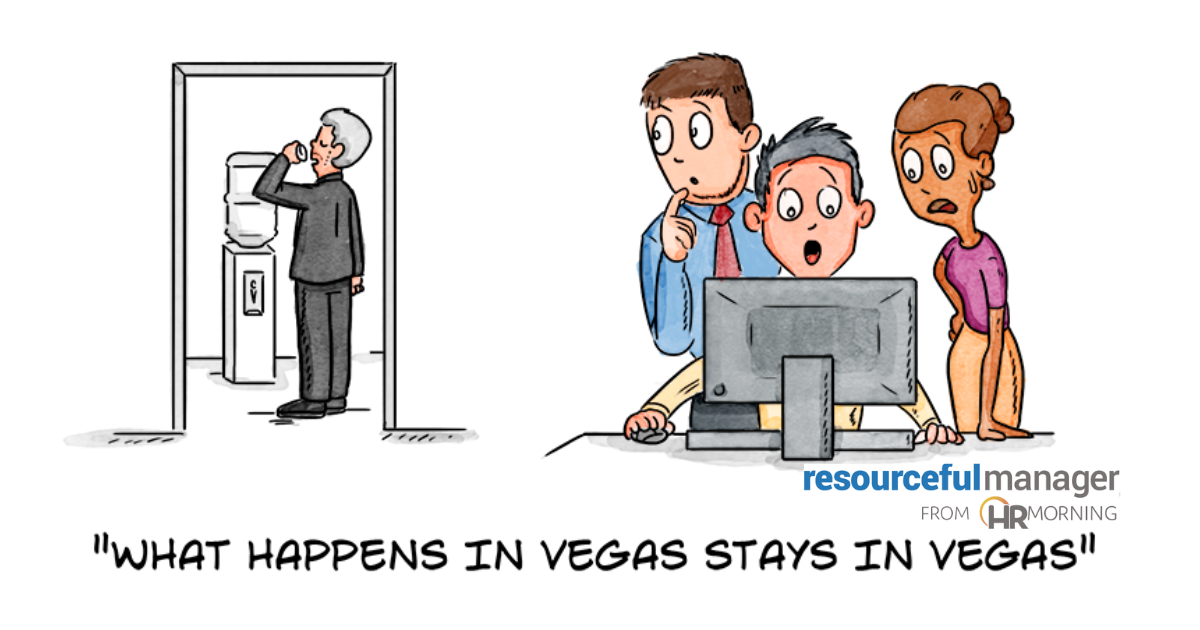
Generally, bosses want to skip “friending” employees on social platforms. Most employees find it awkward. Many don’t want to see the boss’s trip to Vegas – or have theirs seen.

Stick to LinkedIn and/or other professional social networks. And keep your Vegas trips off those sites!

Filed under
RM Logo
  • Talent Management
  • Share on

Get the HRMorning Newsletter

With HRMorning arriving in your inbox, you will never miss critical stories on labor laws, benefits, retention and onboarding strategies.

  • This field is for validation purposes and should be left unchanged.
  • This field is hidden when viewing the form
  • This field is hidden when viewing the form
  • This field is hidden when viewing the form
  • This field is hidden when viewing the form
  • This field is hidden when viewing the form
  • This field is hidden when viewing the form
  • This field is hidden when viewing the form
  • This field is hidden when viewing the form
  • This field is hidden when viewing the form
  • This field is hidden when viewing the form
  • This field is hidden when viewing the form
  • This field is hidden when viewing the form
  • This field is hidden when viewing the form
  • This field is hidden when viewing the form
  • This field is hidden when viewing the form
  • This field is hidden when viewing the form
  • This field is hidden when viewing the form
  • This field is hidden when viewing the form
  • This field is hidden when viewing the form
  • This field is hidden when viewing the form
  • This field is hidden when viewing the form
  • This field is hidden when viewing the form
  • This field is hidden when viewing the form
  • This field is hidden when viewing the form
  • This field is hidden when viewing the form
  • This field is hidden when viewing the form
  • This field is hidden when viewing the form
  • This field is hidden when viewing the form
  • This field is hidden when viewing the form
  • This field is hidden when viewing the form
  • This field is hidden when viewing the form
  • This field is hidden when viewing the form
  • This field is hidden when viewing the form
  • This field is hidden when viewing the form
  • This field is hidden when viewing the form
  • This field is hidden when viewing the form
  • This field is hidden when viewing the form
  • This field is hidden when viewing the form
  • This field is hidden when viewing the form
  • This field is hidden when viewing the form
  • This field is hidden when viewing the form
  • This field is hidden when viewing the form
  • This field is hidden when viewing the form
  • This field is hidden when viewing the form
  • This field is hidden when viewing the form
  • This field is hidden when viewing the form
  • This field is hidden when viewing the form
  • This field is hidden when viewing the form
  • This field is hidden when viewing the form
  • This field is hidden when viewing the form
  • This field is hidden when viewing the form
  • This field is hidden when viewing the form
  • This field is hidden when viewing the form
  • This field is hidden when viewing the form
  • This field is hidden when viewing the form
  • This field is hidden when viewing the form

Free Training & Resources

Webinars

Prevention in Practice: Rethinking Health Cost Control

Provided by Personify Health

White Papers

7 Common Employer HR Mistakes

Provided by Asure

Webinars

When AI Meets Performance Management: Using Technology Without Losing the Human Touch

Provided by Trinet

Webinars

Future of Work – Digitizing Workplace Experience

SPONSORED CONTENT

HR Technology

sponsored content
The Best AI Software for HR Automation

Courtesy of G-P

Talent Management

sponsored content
Powerful Employee Retention Strategies for 2025: How to Keep Your Best People

Courtesy of PEOPLEGURU

Benefits

Health Care

Wellness

sponsored content
Proven Results: 5 Ways Teladoc Health Chronic Condition Management Transforms HR Outcomes

Courtesy of TELADOC HEALTH

Further Reading

  • Talent Management
Get Your Jam On! How Music Can Help You Get More Done (Plus 20 Best Songs, Artists)

Do you get your jam on every day — or some days — at work? Well, if you’re going to listen, you might as well listen t...

  • Talent Management
Why the Water Cooler Still Matters Today (Plus Lessons from 4 Other Bygone Workplace Staples)

Ah, the humble water cooler – the keeper of secrets and inventor of many great ideas in the workplace. It’s so important to...

  • Talent Management
9 Phrases That Kill Collaboration in the Workplace

Before you start your next team meeting, read this — and don’t say that! There are at least nine things you don’t want...

  • Talent Management
No. 1 Reason Employees Stay: It Might Not Be What You Think

What’s the most critical element to keep good employees? Salary? Sure, that helps. Flexibility? Yep, that’s important, but n...

  • Talent Management
Unmotivated Employees? 7 Telltale Signs They’ve Checked Out

When employees are happy, their productivity level jumps 12% – but it drops by 10% if they’re unhappy. So can you tell if yo...

  • Talent Management
10 of the Most Loathed Words at Work

Some things are better left unsaid, especially at work. And the most loathed words are definitely better left unsaid. Here’s th...

Get the latest from HRMorning in your inbox PLUS immediately access 10 FREE HR guides.

I WANT MY FREE GUIDES
HR Morning Logo
  • Facebook
  • Linked In
  • ABOUT HRMORNING
  • ADVERTISE WITH US
  • WRITE FOR US
  • CONTACT
  • Employment Law
  • Benefits
  • Recruiting
  • Talent Management
  • Performance Management
  • HR Technology
  • Leadership & Strategy
  • Compensation
  • Policy & Procedures
  • Wellness
  • Staff Departure
  • HR Career & Self-Care
  • Health Care
  • Retirement Plans
  • DEI

HRMorning, part of the Rover Insights Network, provides the latest HR and employment law news for HR professionals in the trenches of small-to-medium-sized businesses. Rather than simply regurgitating the day's headlines, HRMorning delivers actionable insights, helping HR execs understand what HR trends mean to their business.

Powered By Rover Insights
Privacy Policy | Terms of Service
Copyright© 2026 Rover Insights
HRMorning Logo

WELCOME BACK!

Enter your username and password below to log in

Forget Your Username or Password?

Reset Password

Lost your password? Please enter your username or email address. You will receive a link to create a new password via email.

Log In

Why do we need your credit card for a free trial?

We ask for your credit card to allow your subscription to continue should you decide to keep your membership beyond the free trial period.  This prevents any interruption of content access.

Your card will not be charged at any point during your 21 day free trial
and you may cancel at any time during your free trial.

During your free trial, you can cancel at any time with a single click on your “Account” page.  It’s that easy.