No. 1 Reason Employees Stay: It Might Not Be What You Think

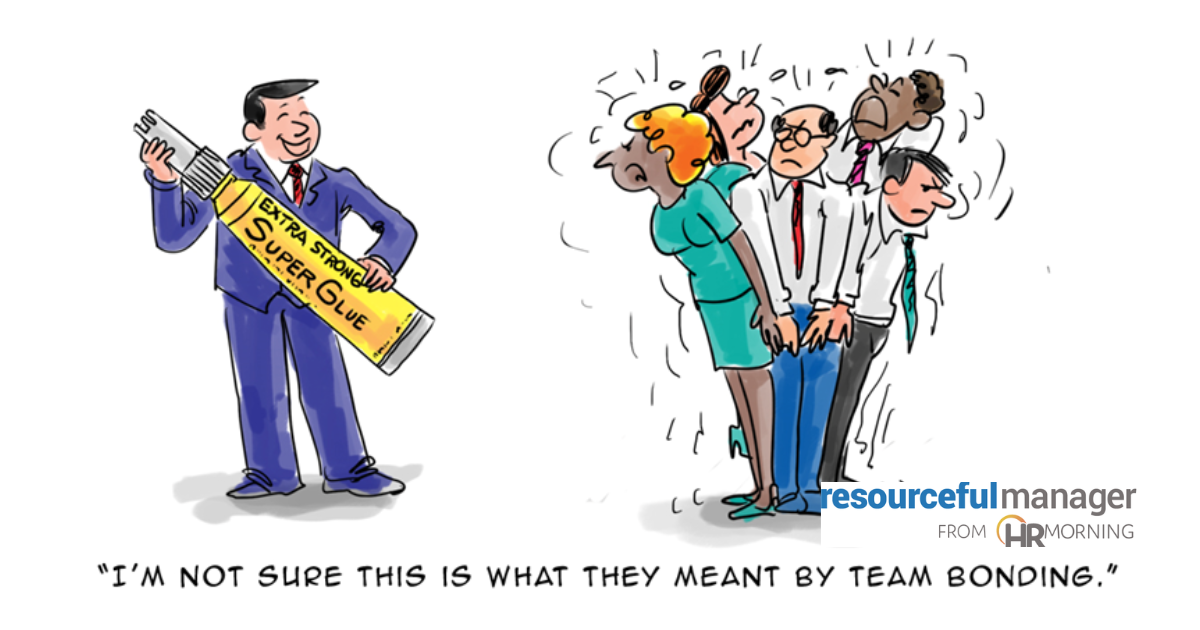
What’s the most critical element to keep good employees?
Salary? Sure, that helps. Flexibility? Yep, that’s important, but not the top one. Work/life balance? Maybe.
They’re all key to why employees stay, but those are things good employees can find from nearly all employers these days.
But they aren’t THE critical element.
What employees want most: a positive work environment.
Employees Stay for Culture
It’s all about the culture. Employees stay at organizations where they have positive relationships and experiences.
Eighty-three percent of employees value a positive work environment, according to iHire’s Talent Retention Report. It’s the top reason they stay where they are.
On the flipside, the top reason employees leave is that they feel they’re in a toxic environment.
The other top reasons employees stay also reflect the focus on a positive work culture:
- A work/life balance priority (68%)
- Workplace flexibility (54%)
- Health insurance (68%)
- Retirement plan (60%), and
- Career growth and professional development opportunities (61%).
Still, the most critical element to employee retention is a positive culture built on good relationships and rewarding work.
Here are four grassroots ideas to create an even more positive work culture through relationship building:
1. Get To Know Employees On a Deeper Level
Learn a little something about employees’ families, past work experiences, hobbies or interests. It will come in handy when and if you know of other employees with things in common.
Most good managers already do this, but they don’t take the next step to help forge connections among their team members.
For example, if you know a new employee is a wine collector or an avid fly-fisherman or lives in a certain school district, introduce that employee to others who might share that connection.
This shows employees that you understand they have lives outside of the workplace and can open up to the degree they’re comfortable.
2. Be the Social Director Once In a While
You don’t have to go overboard; employees who feel their managers insist on forced socialization can come to dread it.
But make sure you give your team opportunities to enjoy each other’s company outside of the normal work experience.
Depending on the size of your group and your line of work, tailor some social events around what suits you the most. For some, it might be an occasional happy-hour gathering, an in-house spirit-building session, a work site picnic or a monthly birthday celebration.
Interacting socially with co-workers often makes employees less likely to get into arguments or squabbles later and can reduce the risk of workplace conflict.
3. Remind Middle Managers To Build Ties, Too
Employee relationship-building can’t just come from you. If you oversee a group of submanagers, encourage them to foster relationships with and between their team members.
Otherwise, you could have half of your team not benefitting from positive relationships with their co-workers.
Let your supervisors in on the upsides of encouraging workplace camaraderie, and include them in plans for getting employees to socialize and feel more comfortable with each other.
4. Make Sure Your Feedback System Is Working
Many managers like to see an honest back-and-forth among their employees but are reluctant to enter the conversation themselves.
But the underlying tool that’s absolutely necessary for encouraging employee relationships is the manager’s willingness to spark honest communication.
In a work environment that stifles it, employees won’t feel free to be open and honest with each other — or with their boss.
So make sure your employees are aware if you have an open-door policy, and don’t be shy about letting your team see you communicate freely with them.
Applaud employees when they put their heads together to come up with ideas and get creative without your prompting.
Knowing you’ll listen makes them more likely to do it, which makes working together that much more pleasant.

- Share on


Free Training & Resources
White Papers
Provided by PerkSpot