
Not-so-happy birthday: Employer pays $450K after surprise party mishap
By
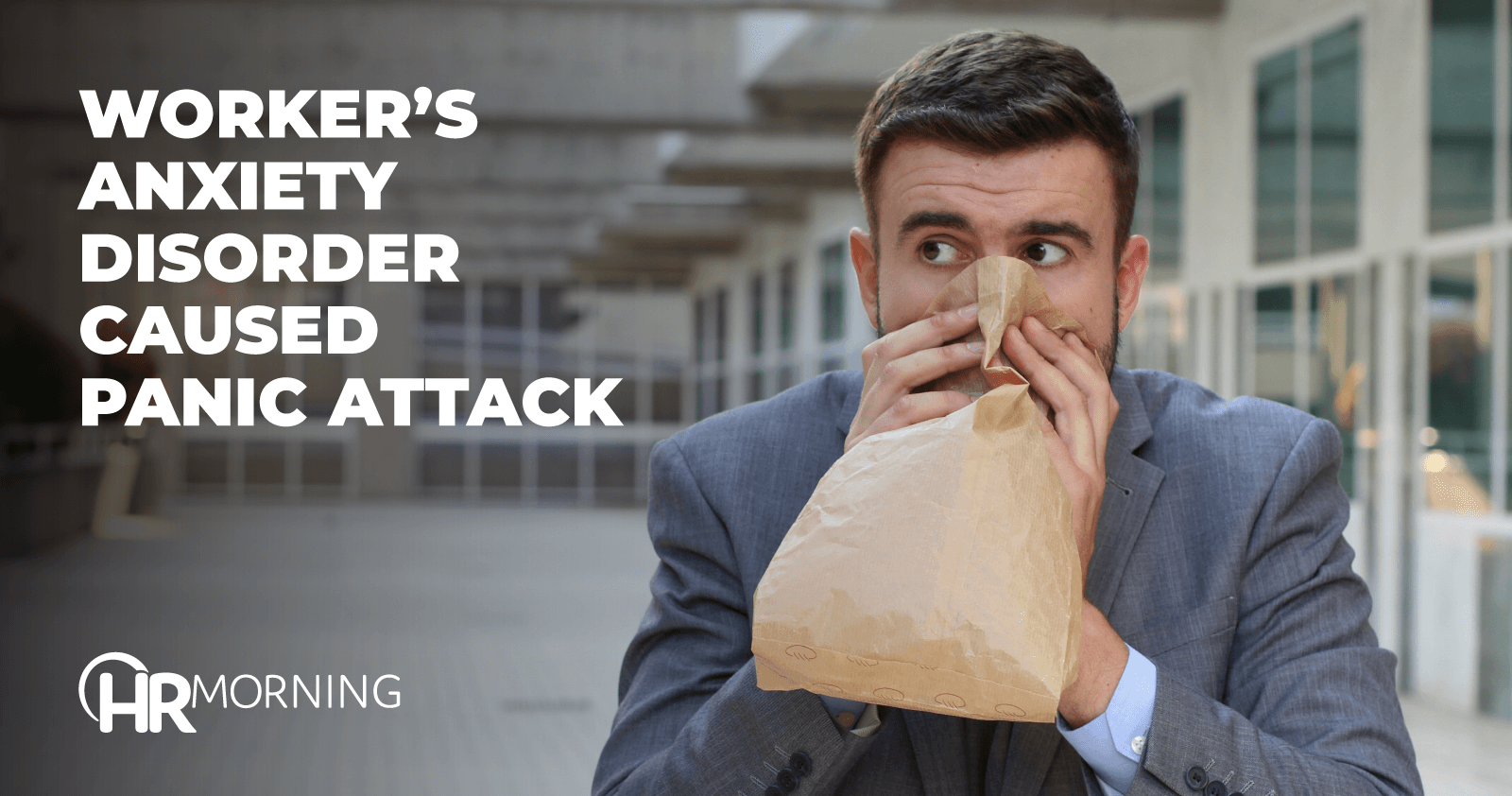
A recent court decision teaches employers a strange (but important) lesson: Don’t throw an employee a birthday party if they don’t want one.
One company did this — and ended up paying the employee $450,000.
Here’s what happened.
‘Somber’ reaction
Kevin Berling worked at Gravity Diagnostics in Covington, KY, for about 10 months before his birthday came around. Having an anxiety disorder, Berling asked his manager not to throw him a birthday party.
However, Berling’s co-workers took it upon themselves to throw him a surprise party, of which his manager wasn’t aware. A party was set up in the breakroom. Upon encountering this, Berling had a panic attack and left the party, choosing to eat his lunch alone in his car.
The next day, two supervisors confronted Berling about his “somber” reaction to the party, which resulted in another panic attack. Berling was fired a few days later, his supervisors citing concerns about his “violent” behavior in that meeting.
Berling then sued the company for disability discrimination.
Unaware of disability?
Gravity Diagnostics fought back, arguing that Berling had never officially disclosed his anxiety disorder and “had not met the standard for a disability claim.”
The company said it had the right to fire Berling due to his concerning behavior — clenching his fists and ordering his supervisors to be quiet during the meeting in which they confronted Berling about his reaction to the surprise party.
Berling’s lawyer argued these behaviors were coping mechanisms to deal with his anxiety attack. He also pointed out that Berling had received nothing but positive performance reviews.
A jury concluded Berling had been discriminated against, and experienced an adverse employment action due to his disability. He was awarded $150,000 in lost wages and $300,000 for embarrassment and suffering.
While a strange case, this lawsuit goes to show that disabilities aren’t always obvious, and employers shouldn’t make hasty employment decisions when something like the above situation occurs.
Further Reading
FMLA Intermittent Leave: 8 Questions HR Asks Most
Partial days, doctor’s notes, late arrivals. If intermittent FMLA leave keeps you guessing, these eight answers can help clear things up for HR.
Unpaid Pre-Shift Work Costs New Jersey Employer $725K
A New Jersey drywall installer must pay $725,000 after failing to pay 48 workers overtime for pre-shift work performed while they waited for transportation to job sites. The U.S. Department of Labor’s (DOL) Wage and Hour Division found P & B Partitions Inc. violated the Fair Labor Standards Act’s overtime rules. The company also refused […]
Connecticut Joins States Regulating Workplace AI: 7 Compliance Steps
Connecticut is putting employers on notice over workplace AI. Effective Oct. 1, 2026, SB 5 clarifies that Connecticut employers facing a discrimination claim can’t blame the artificial intelligence (AI) tools they use to make hiring, promotion, discipline or termination decisions. Other changes that kicked in the same day: And there’s more coming. The law’s second […]
USCIS Plans to Abolish 60-Day Grace Period for Certain Nonimmigrant Workers
On Sept. 11, the U.S. Citizenship and Immigration Services (USCIS) published a Notice of Proposed Rulemaking that, if adopted, would eliminate the 60-day grace period currently granted to most nonimmigrant workers in H-1B, H-1B1, E-1, E-2, E-3, L-1, O-1 or TN status who abruptly lose their positions. The grace period has been in place since […]
Pa. Court Sets 3-Year Deadline for Minimum Wage Act Claims
Pennsylvania employers face a three-year window for employees to sue over unpaid minimum wages or overtime under state law, rather than the six years a trial court previously allowed. The ruling came in a case involving 20 pharmacy employees seeking overtime for work done from 2017 to 2019. The employers argued the claims were filed […]
Hidden Payroll Rounding Risk: Unpaid Pre-Shift Time Under Scrutiny
Required pre-shift tasks – and whether employees are paid for them – are at the center of a former hospital nurse’s wage dispute. Chestnut Hill Hospital required nurses to change into surgical scrubs by 7 a.m. for a morning huddle. Pamela McBride sued under the Fair Labor Standards Act, alleging the hospital didn’t pay her […]