
Starbucks facing class action age discrimination lawsuit
By
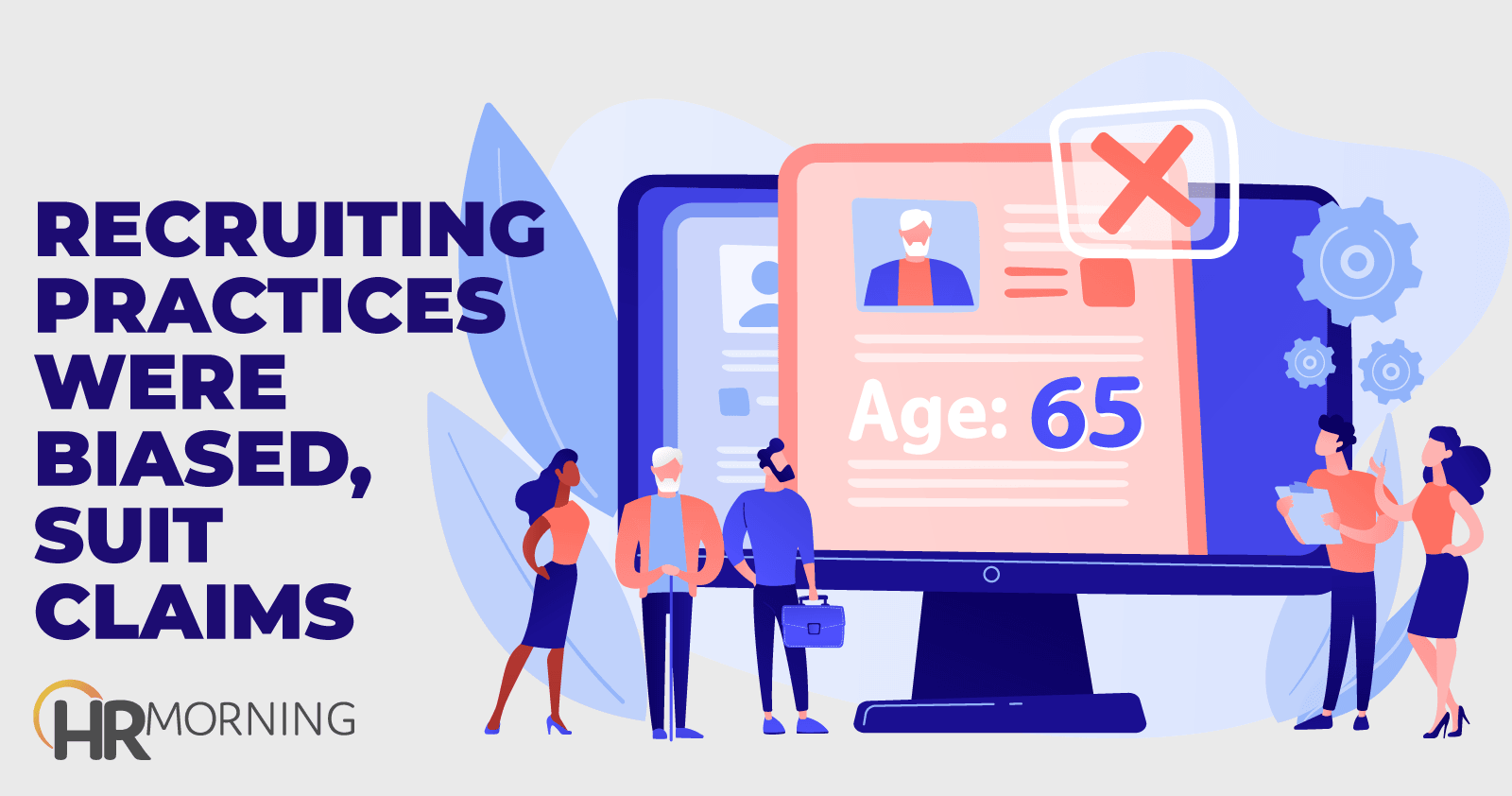
Showing a preference for younger employees can violate the Age Discrimination in Employment Act (ADEA) and land a company in court — something coffee giant Starbucks is facing right now.
A nationwide class action lawsuit has been filed, claiming the company was not only biased toward young workers, but it showed a “blatant campaign of age discrimination in hiring.”
Here are the details of the suit.
Youth recruitment program
The lawsuit points to several common company practices to make its discrimination case.
The first was Starbucks’ youth recruitment program, which aimed to give more employment opportunities to young people, according to the company’s CEO. But the lawsuit claims this program was really used as an excuse to discriminate against employees over 40.
The original plaintiff who set the lawsuit in motion says age discrimination is a “systemic” problem at the company, particularly when it comes to management positions. As a qualified 59-year-old employee, the plaintiff was denied a promotion to store manager. Instead, a much younger employee was hired for the job. The plaintiff was eventually fired.
The plaintiff assembled a class of several other employees over 40 who were also denied promotions or were fired from management positions in favor of younger workers.
Starbucks denies the discrimination claims, stating the company has a “clear anti-discrimination” policy, and is fighting the lawsuit in court.
Examine practices
This lawsuit acts as a warning for employers to examine their recruiting practices for potential hidden bias. For example, do you do a lot of recruiting on college campuses? Do your job ads seek “energetic new grads”? Both of these practices could be considered age discrimination.
Recruiting heavily on social media could also cause issues, as older applicants may not be as tech-savvy. Age discrimination isn’t always as black and white as firing a 60-year-old employee and hiring a 30-year-old instead.
Further Reading
Opinion Letter FLSA2026-14: Does the Seasonal Amusement Exemption Cover Concession Workers?
A concessions company that runs temporary food stands at fairs and concerts may not owe seasonal workers federal minimum wage or overtime, the Department of Labor (DOL) said in a new opinion letter. The letter addresses a narrow workplace setup: an outside company’s concession stand at seasonal events. Does Exemption Apply? Opinion Letter Lists 2 […]
Walmart Reaches Historic $7.8M Pennsylvania Child Labor Settlement
In the largest Child Labor Act settlement in Pennsylvania history, Walmart has reached a $7.8 million deal with the state to resolve violations investigators found at eight of its stores. The state opened its investigation in February 2025 after its Bureau of Workers’ Compensation referred cases involving minors injured while working at Walmart stores. Investigators […]
H-2A Employers Could Owe Back Pay After Court Rejects Farm Wage Rule
A federal court held that a U.S. Department of Labor (DOL) rule lowering minimum wage rates for H-2A farm workers is unlawful. The DOL must issue a replacement rule by Dec. 30. In a Sept. 2 notice required by the court, DOL told employers they may owe back wages to H-2A workers and U.S. workers […]
DOL’s Final Independent Contractor Rule: 12 Action Steps for HR and Payroll
On Nov. 19, 2026, the Department of Labor (DOL) announced its final independent contractor rule, and the clock is about to start ticking. Employers will have 60 days from its publication in the Federal Register to get ready. Most of the final rule matches the DOL’s February proposal. The final rule uses the economic-reality test […]
Minimum Wage Alert: Vermont Sets 2027 Rate at $14.91
Effective Jan. 1, 2027, Vermont’s minimum wage will increase from $14.42 to $14.91 an hour. That is a 49-cent increase, or $19.60 more per 40-hour workweek. And for tipped employees, the minimum wage will rise from $7.21 to $7.46 an hour. State law sets the tipped minimum at 50% of the full minimum wage, and […]
Connecticut Paid Sick Leave Expands to Nearly All Employers Jan. 1
Starting Jan. 1, 2027, employers with one or more employees in Connecticut must provide paid sick leave under Public Act 24-8. The current threshold for covered employers is 11 or more employees. Covered employers must allow covered employees to accrue one hour of paid leave for every 30 hours worked, up to 40 hours a […]