

7 Steps to Build a Team That Outperforms the in Critical Time
By
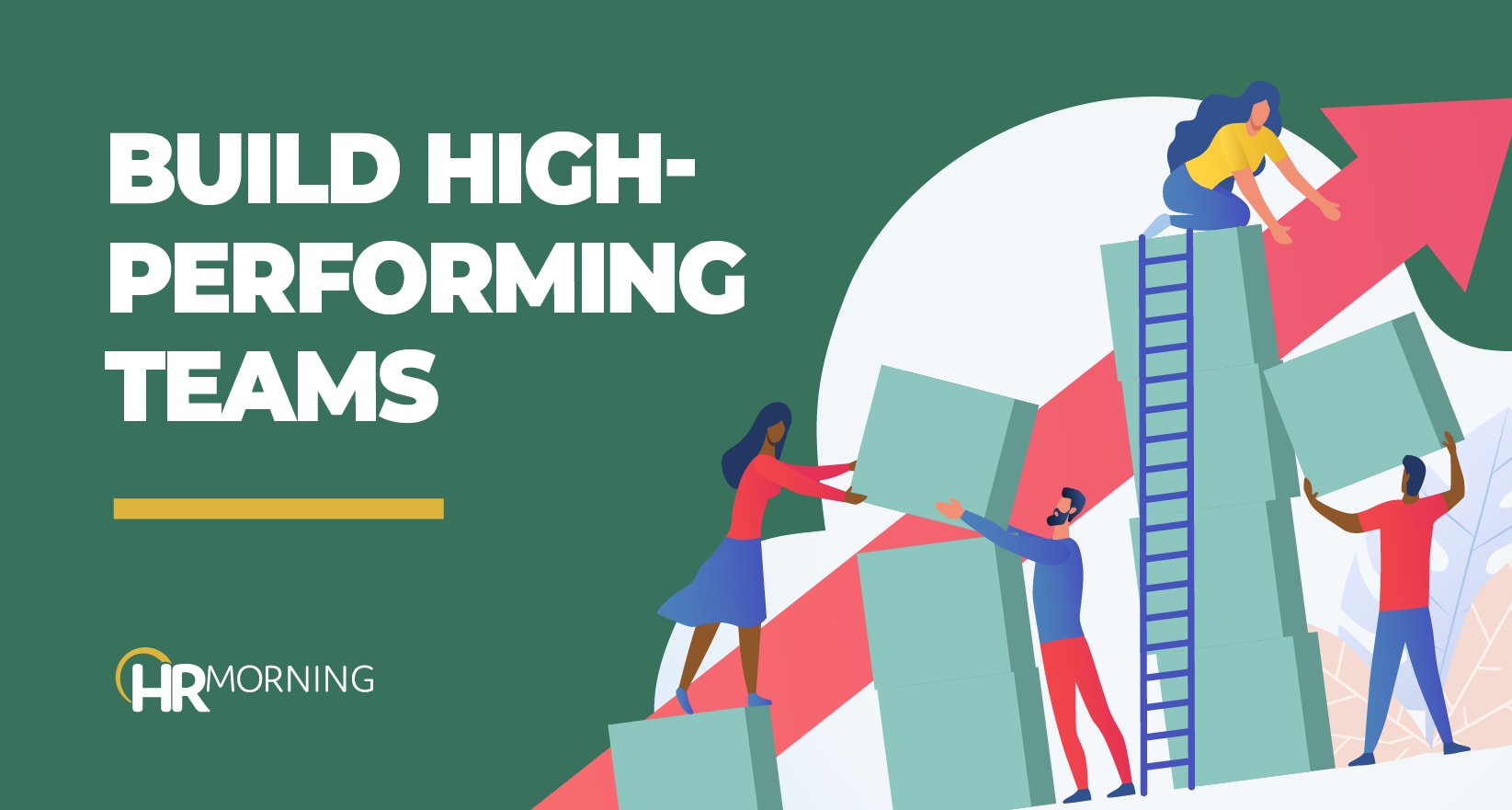
A team that succeeds is more than just a group of skilled individuals; it is a cohesive unit that collaborates effectively, adapts to challenges, and consistently delivers outstanding results.
Understand the Elements of a High-Performing Team
Whether leading a small project team or managing an entire department, understanding the key elements of building a high-performing team is essential for achieving long-term success.
1. Define a Clear Vision and Purpose
A high-performing team begins with a shared vision and clear objectives. When team members understand their collective purpose, they align their efforts toward common goals rather than working in silos.
Leaders want to communicate the team’s mission, outline specific objectives, and ensure that each individual sees how their contributions fit into the bigger picture. Clarity in vision builds motivation, direction, and accountability.
2. Establish a Strong Team Culture
Culture is the foundation of a high-performing team. A positive team culture creates trust, collaboration, and psychological safety — where members feel comfortable expressing their ideas, taking risks and learning from mistakes.
Leaders should empower an environment that promotes respect, inclusivity, and continuous improvement. When individuals feel valued and supported, they are more engaged, productive and willing to go the extra mile.
3. Select the Right People
The strength of a team lies in its members. A high-performing team is built by selecting individuals with complementary skills, diverse perspectives, and a shared commitment to success.
While technical expertise is important, soft skills such as communication, adaptability, and emotional intelligence are equally crucial. A team that balances different strengths can approach challenges from multiple angles, leading to more effective problem-solving and innovation.
4. Encourage Open Communication
Advertisement
Effective communication is a hallmark of high-performing teams. Clear, transparent, and open dialogue ensures that team members stay aligned, address misunderstandings promptly, and provide constructive feedback.
Leaders should encourage regular check-ins, team meetings, and open forums where employees can voice their ideas and concerns.
5. Provide Opportunities for Growth and Development
Continuous learning is essential for maintaining a high-performing team. Employees who have opportunities to expand their skills, take on new challenges and grow professionally are more engaged and motivated.
Organizations should offer training programs, mentorship opportunities, and career development paths to help team members reach their full potential. Investing in employee growth not only enhances individual performance but also strengthens the overall team.
6. Recognize and Celebrate Success
Recognition and celebration play a crucial role in maintaining motivation and morale. High-performing teams acknowledge their achievements—both big and small.
Whether through formal awards, team shout-outs, or simple words of appreciation, recognizing hard work reinforces a culture of excellence and encourages continued effort. Celebrating milestones and successes fosters camaraderie and keeps team members engaged.
7. Lead by Example
Finally, leadership plays a pivotal role in shaping a high-performing team. Leaders who embody the values of transparency, integrity, and commitment inspire their teams to follow suit.
By setting clear expectations, demonstrating a strong work ethic and prioritizing the well-being of their team members, leaders can cultivate an environment where employees feel motivated to perform at their best.
Further Reading
70+ U.S. Companies Affected by Remote Worker Fraud: FBI Issues New Guidance
You’ve reviewed an applicant’s resume and conducted an interview. But how can you be sure the remote worker you’re planning to bring onto your payroll is who they claim to be? More hiring managers are finding out that a candidate who looks great on paper and interviews well may still be an impostor. In a […]
Post-Election Fallout: 2 Ways to Manage New Tension in the Workplace
With the midterms over, you’d probably like to put the occasional (or frequent?) contentious moments any election can cause behind you. But it’s not likely to end with the last vote cast. HR and other leaders often face a recurring challenge in post-election times: acknowledging and managing politically charged moments that can turn up tension […]
An ‘Insecurity Tax’ Could Hurt Retention: 4 Solutions to Keep Your Talent
The last decade of corporate churn might have revealed this surprising lesson: One of the biggest threats to retention isn’t compensation, remote work or even AI. It could be managerial insecurity. When leadership is rooted in a manager’s personal anxiety, organizational behavior becomes entirely predictable. Micromanagement, hoarding authority, avoiding constructive dissent, and making defensive decisions […]
Politics at Work: An Election-Season Toolkit for HR Leaders
Employers everywhere are bracing for one of the trickiest challenges of the year as the country goes through another contentious election season. Inflammatory political speech in the workplace is disruptive and can lead to a host of workplace issues ranging from frustration and fractured relationships to claims of harassment and workplace violence incidents. With increasing […]
Are You Keeping Workforce Data Longer Than You Need To?
When an employee leaves, HR closes the personnel file, processes the final paycheck, and shuts off system access. Copies of that employee’s information can remain in places HR does not manage: email archives, collaboration platforms, badge-access logs, fleet telematics systems, and the files of recruiting, payroll and benefits vendors. Some of those records have to […]
How Managers Are the Missing Link in Workforce Capability: 3 Solutions
Managers are the bridge between business strategy, day-to-day execution, and organizational growth. Understanding and developing workforce capability has always been central to that role. And for HR leaders, a manager’s ability to do that well impacts everything from internal mobility and succession planning to retention and workforce readiness. The challenge is that workforce capability is […]