4 Cures for Burnout in Today’s Demanding Workplace

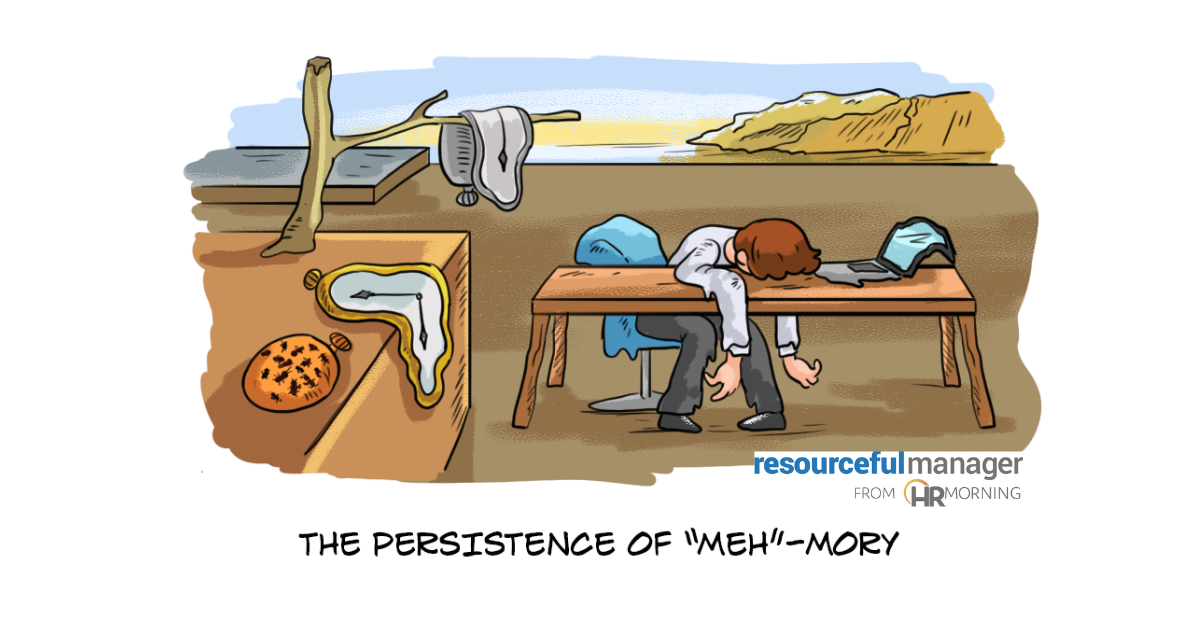
Did you use to feel motivated — and now you’re not feeling that kind of energy? Or maybe you see that dip on your team?
There’s an epidemic of apathy and disengagement in the workplace — the general “meh” feeling. Managers need cures for burnout — for themselves and their employees — this time of year.
“Feeling disengaged and burdened is often a sign that you’re headed toward burnout — which can cause major damage to your business, finances, relationships and health,” says Julie Bee, author of Burned: How Business Owners Can Overcome Burnout and Fuel Success. “It’s important to identify what’s making work not ‘work’ for you — ideally before you flame out.”
How Bad is Burnout?
Burnout is pretty bad, according to American Psychological Association, more than 75% of employees have experienced work-related stress in the past month. What’s more, according the APA research, 57% sometimes associated work-related stress with these symptoms of workplace burnout, such as:
- feelings of being ineffective (18%)
- emotional exhaustion (31%)
- didn’t feel motivated to do their very best (26%)
- a desire to keep to themselves (25%)
- a desire to quit (23%)
- lower productivity (20%)
- irritability or anger with coworkers and customers (19%)
Cures for Burnout
The good news: Managers can help themselves and their employees move the needle back from “meh” to motivated.
Bee gives these strategies:
1. Know the Signs
There are “red flags that signal when something isn’t working, and it probably won’t be difficult to identify some of yours,” says Bee. “Red flags are actions, habits, behaviors or circumstances that indicate you’re off-balance, stressed and dangerously drained.”
Some red flags to look for:
- Trouble sleeping or sleeping too much
- Increasingly contentious interactions with others
- Social withdrawal
- Skipping activities, hobbies or habits you used to enjoy
- Finding it difficult to focus on or come up with new ideas
- Putting out fires instead of working on important tasks
- Self-care such as grooming, nutrition and exercise has slipped
- Leaning harder into a coping mechanism such as alcohol, sweets or medications, and/or
- Your standard answer to requests is, “I’m too busy.”
2. Identify the Problem(s)
So, let’s say you saw yourself (or one of your employees) in those red flag descriptions. Now what?
“You might realize that you aren’t feeling as engaged and excited about the future, but you don’t have the time or energy to sit back and reflect on why that is,” Bee says.
One way is to focus on why work isn’t working for you. What it comes down to is identifying what’s draining your energy.
You want to identify what you dread most and what sucks the excitement out of your day. And, on the positive side, identify what still makes you happy about work — and we don’t want to hear that it’s leaving work!
3. Make Time to Make Change
You won’t be able to move back from “meh” to motivated without simplifying work and life a bit.
Some tips from Bee:
- Temporarily say no to anything new — invitations, obligations, projects, commitments, etc.
- Stick with what works. Avoid trying to develop new ideas, habits and practices, and
- Put in the extra time you gain into addressing what isn’t working and pursuing the things you found motivate you.
“Don’t think of this as doing less — think of it as doing more for yourself,” advises Bee.
4. Find Your Help
At this point, you want to ask for help — if you need it. Or be your own fixer — if you can pull it off.
If you need help digging out of “meh,” talk with a trusted colleague first. Even better, find one who’s faced a motivation challenge. While their solution may not be ideal for you, their insight will likely move you in the right direction.
“The support and advice of a coach, mentor, therapist, business partner or loved one can make a big difference,” says Bee.
If you can be your own solution, you’ll want to stay committed to eliminating as much of the stuff that brings down your motivation and increasing the things that keep you motivated. Some ways:
- Delegation. While it would be unfair to push off all the responsibilities that drain you to unassuming employees, you can probably drop a few.
- Analysis. At this point, you really want to analyze what truly must get done and what can actually be dropped from your priorities. Ask an unbiased outsider to check your thoughts on this before dropping anything, though.
- Timing. One timeless piece of productivity advice works well for staying motivated. Do the things you like the least when your energy is highest. You can tear through them. Then you’ll naturally be motivated by the things that please you when your energy is lower.

- Share on


Free Training & Resources
White Papers
Provided by AbsenceSoft
White Papers
Provided by Inspirus



