• Skip to primary navigation
  • Skip to main content

HRMorning

  • FREE RESOURCES
  • PREMIUM CONTENT
  • HR DEEP DIVES
  • PODCASTS
    • VOICES OF HR
    • WOMEN’S LEADERSHIP TODAY
  • LOGIN
  • SIGN UP FREE
  • Employment Law
  • Benefits
  • Recruiting
  • HR Technology
  • Payroll
  • Management
  • Women’s Leadership
  • More
    • Talent Management
    • Performance Management
    • Leadership & Strategy
    • Compensation
    • Policy & Procedures
    • Wellness
    • Staff Departure
    • HR Career & Self-Care
    • Health Care
    • Retirement Plans
WLT Logo
  • Leadership & Strategy

The Networking Blueprint: 5 Tips to Build Connections for Long-Term Success

Michelle Myers
By: Michelle Myers
  • Share on

About the Author

Michelle Myers is a dedicated Creative Content Production Manager overseeing the content strategy and execution for Women's Leadership, HRMorning, and Resourceful Finance Pro. With a keen eye for detail and a passion for creating engaging and informative content, Michelle plays a vital role in delivering high-quality resources to professionals in HR, finance, and women's leadership. Her expertise spans across various content formats, ensuring that each platform provides valuable insights and fosters professional growth. Michelle's commitment to excellence and her ability to manage complex production workflows make her an invaluable asset to her team.

Show Less
Last Updated: February 9, 2026
3 minute engagement
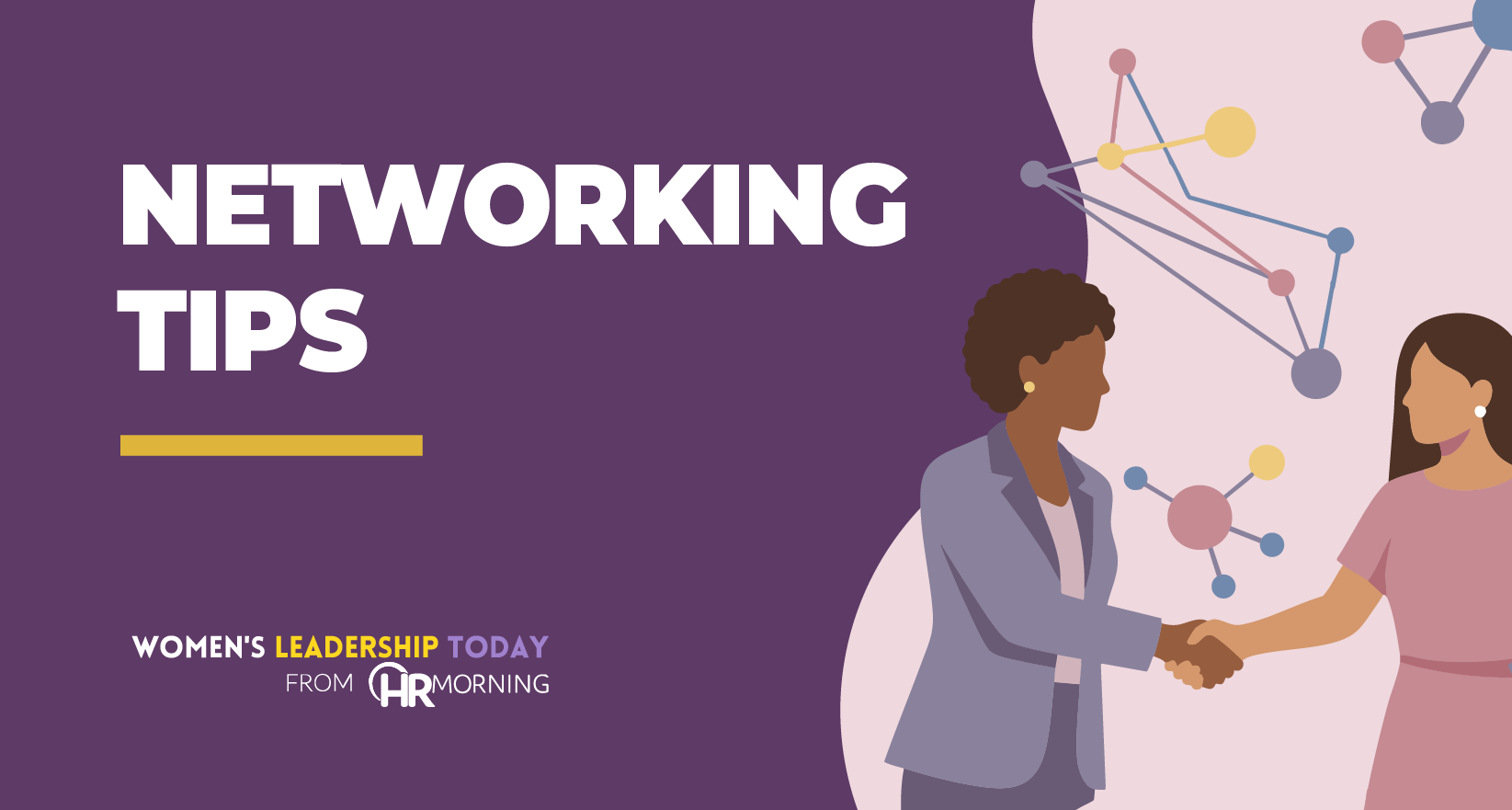
Women’s Leadership Today blog image illustrating networking tips, featuring professional women connecting and building relationships.

Professional networking is a crucial component of excelling in nearly any industry and job role. No matter the stage in your career, you want to establish meaningful connections with other professionals in order to grow.

The Importance of Networking

Working hard and applying yourself is a must, but knowing the right people can help direct you where you need to go.

Professional networking can present you with strategic advantages. It’s an important part of developing your career. Connecting with others in your field exposes you to unique opportunities you may not otherwise be aware of.

Networking with others can:

  • Make it easier for you to find and select candidates for an open position at your company
  • Make you aware of new opportunities in your industry
  • Provide you with the professional advice you can use to advance, or
  • Make you aware of worthwhile avenues to look into if you’re seeking new clients.

While you don’t have to spend all your free time engaged in professional networking, this process is worth pursuing for professionals who want to excel in their careers.

Network Composition

You may be willing and ready to build a professional network, but if you’re not sure whom you should network with, you might be hesitant to start.

Everyone’s professional network is different, but if you’re looking for people to connect with to get started, consider the following:

  • Former college classmates
  • Colleagues
  • Members of professional organizations
  • Past college professors
  • Family members in similar positions
  • Managers from past and current jobs, and
  • Training professionals.

Networking Tips

But what if networking doesn’t come naturally to you? If you know whom you want to network with (even if you’ve only determined the basics), you might be wondering how to effectively form a professional network.

To get started building a professional network that will help you achieve your goals, try these tips:

1. Find People Who Share Common Interests

Breaking the ice by connecting over a shared interest can be a great way to initiate a networking session. Find something that you and other professionals have in common, such as a shared goal, an experience you’ve both had, or even something personal, like being dog owners.

Using a common interest as the foundation for your professional relationship with another person can make the networking process feel a little more natural and friendly.

2. Connect with the Right People

Keep your goals in mind when you’re attempting to build a powerful network. You want to develop professional relationships with people who can help you get from Point A to Point B.

For example, if you want to work in a specific industry, networking with someone who works in that industry would be helpful.

3. Find Ways to Give Back

Effective networks are built on giving and receiving. Most people won’t want to develop a professional relationship with someone whom they feel is using them, so it’s important to try giving as much as you receive.

If someone in your network profoundly helps you, do what you can to repay the favor.

4. Be Willing to Learn

Networking is about learning new things, whether those things are skills or opportunities to explore. Remain open, alert, and receptive during networking activities so that you can learn as much as possible.

There will be people in your network who will have more knowledge on specific topics than you do, and it’s in your best interest to absorb as much information as you can.

5. Keep the Right Level of Contact

Maintaining a professional network requires cultivation, but the right amount of it. Don’t bombard the members of your network with constant contact for no real reason, but stay in touch.

Reach out organically and genuinely to check in. Invite people in your network to an event or to have coffee. Connect with them when you’ve discovered information that may be useful to them.

Professional networking can provide you with advantages that aren’t possible through just your own merit. Being a dedicated worker is only one element of growing in your career. Having connections with the right people is equally as important.

Filed under
WLT Logo
  • Leadership & Strategy
  • Share on

Get the HRMorning Newsletter

With HRMorning arriving in your inbox, you will never miss critical stories on labor laws, benefits, retention and onboarding strategies.

  • This field is for validation purposes and should be left unchanged.
  • This field is hidden when viewing the form
  • This field is hidden when viewing the form
  • This field is hidden when viewing the form
  • This field is hidden when viewing the form
  • This field is hidden when viewing the form
  • This field is hidden when viewing the form
  • This field is hidden when viewing the form
  • This field is hidden when viewing the form
  • This field is hidden when viewing the form
  • This field is hidden when viewing the form
  • This field is hidden when viewing the form
  • This field is hidden when viewing the form
  • This field is hidden when viewing the form
  • This field is hidden when viewing the form
  • This field is hidden when viewing the form
  • This field is hidden when viewing the form
  • This field is hidden when viewing the form
  • This field is hidden when viewing the form
  • This field is hidden when viewing the form
  • This field is hidden when viewing the form
  • This field is hidden when viewing the form
  • This field is hidden when viewing the form
  • This field is hidden when viewing the form
  • This field is hidden when viewing the form
  • This field is hidden when viewing the form
  • This field is hidden when viewing the form
  • This field is hidden when viewing the form
  • This field is hidden when viewing the form
  • This field is hidden when viewing the form
  • This field is hidden when viewing the form
  • This field is hidden when viewing the form
  • This field is hidden when viewing the form
  • This field is hidden when viewing the form
  • This field is hidden when viewing the form
  • This field is hidden when viewing the form
  • This field is hidden when viewing the form
  • This field is hidden when viewing the form
  • This field is hidden when viewing the form
  • This field is hidden when viewing the form
  • This field is hidden when viewing the form
  • This field is hidden when viewing the form
  • This field is hidden when viewing the form
  • This field is hidden when viewing the form
  • This field is hidden when viewing the form
  • This field is hidden when viewing the form
  • This field is hidden when viewing the form
  • This field is hidden when viewing the form
  • This field is hidden when viewing the form
  • This field is hidden when viewing the form
  • This field is hidden when viewing the form
  • This field is hidden when viewing the form
  • This field is hidden when viewing the form
  • This field is hidden when viewing the form
  • This field is hidden when viewing the form
  • This field is hidden when viewing the form
  • This field is hidden when viewing the form

Free Training & Resources

White Papers

Recognition Is a System, Not a Moment

Provided by Terryberry

White Papers

Are Your ADA and PWFA Processes Putting You at Risk?

Provided by AbsenceSoft

White Papers

Your guide to navigating CFO benefits questions

Provided by Maven Clinic

White Papers

How Leading Employers Design Women’s and Family Health Benefits to Drive Outcomes

Provided by Maven Clinic

SPONSORED CONTENT

Employment Law

Policy & Procedures

sponsored content
Policy Rollout: 4 Checkpoints That Show Employees Got the Message

Courtesy of NAVEX

Benefits

Staff Administration

sponsored content
PEO ROI: 3 Numbers to Know Before You Leave Patchwork HR

Courtesy of TRINET

Talent Management

sponsored content
Employee Retention Strategies: 5 That Work When You Can’t Pay More

Courtesy of INSPIRUS

Further Reading

  • Leadership & Strategy
The Modern Multi-Generational Workforce: The Highs and Lows

With five generations now in the workforce, companies are managing employees with a wider range of perspectives and experiences than ever be...

  • Leadership & Strategy
7 Strategies to Smartly Set and Achieve Career Goals in Today’s Workplace

When it comes to your career, you want to set goals all the time – daily, weekly, monthly, quarterly … But one of the bigges...

  • Leadership & Strategy
Leading the Way: Influencing Others Without Formal Authority

Leadership and authority do not have the same meaning, although they often coincide in business practices. Individuals with high levels of a...

  • Leadership & Strategy
6 Practices of Highly Successful People in Today’s Workplace

Do you use your time strategically? Being busy and being efficient are not the same, and the most successful people know how to use their t...

  • Leadership & Strategy
How Long Does It Take to Master a New Habit? The Surprising Answer and How to Get It Done!

You may have heard it said that it takes 21 days of repetition to solidify a new habit. That seems like a short period, making the formatio...

  • Leadership & Strategy
Gail Devers: A Story of Resilience, Determination, and Perseverance 

For many, Gail Devers is a symbol of athletic excellence, an icon of the track and field world. But her journey to becoming an Olympic ...

Get the latest from HRMorning in your inbox PLUS immediately access 10 FREE HR guides.

I WANT MY FREE GUIDES
HR Morning Logo
  • Facebook
  • Linked In
  • ABOUT HRMORNING
  • ADVERTISE WITH US
  • WRITE FOR US
  • CONTACT
  • Employment Law
  • Benefits
  • Recruiting
  • Talent Management
  • Performance Management
  • HR Technology
  • Leadership & Strategy
  • Compensation
  • Policy & Procedures
  • Wellness
  • Staff Departure
  • HR Career & Self-Care
  • Health Care
  • Retirement Plans
  • DEI

HRMorning, part of the Rover Insights Network, provides the latest HR and employment law news for HR professionals in the trenches of small-to-medium-sized businesses. Rather than simply regurgitating the day's headlines, HRMorning delivers actionable insights, helping HR execs understand what HR trends mean to their business.

Powered By Rover Insights
Privacy Policy | Terms of Service
Copyright© 2026 Rover Insights
HRMorning Logo

WELCOME BACK!

Enter your username and password below to log in

Forget Your Username or Password?

Reset Password

Lost your password? Please enter your username or email address. You will receive a link to create a new password via email.

Log In

Why do we need your credit card for a free trial?

We ask for your credit card to allow your subscription to continue should you decide to keep your membership beyond the free trial period.  This prevents any interruption of content access.

Your card will not be charged at any point during your 21 day free trial
and you may cancel at any time during your free trial.

During your free trial, you can cancel at any time with a single click on your “Account” page.  It’s that easy.
