

Resilience: 5 Strategies to Master Perseverance + Tenacity
By
At a recent college graduation I attended, the student speaker coined a word I found intriguing: “persevacity”.
Persevacity, which combines the words “perseverance” and “tenacity,” is required to cultivate bounce-back resilience. We all experience adversity, difficult days, and rocky times. We all make mistakes. Every human feels the sting of failure. However, failure is not a dead end, but rather a stepping stone toward success. Being resilient and excelling at persevacity gives us the capacity to see missteps as learning experiences.
Resilience Strategies
The resilient person internalizes the truth that difficult days and past mistakes do not define them. Every sunrise is a new beginning. Every morning brings the opportunity to forget the fractured, shattered or broken pieces of yesterday and start anew.
Here are strategies to build your resilience:
1. Believe in Yourself
Perhaps the most important strategy for becoming a resilient person is to believe in your unlimited potential and know that the seeds of greatness are inside you. James Allen wrote in his book “As a Man Thinketh” that the mighty oak sleeps in the acorn and the bird waits in the egg. If you believe in who you are today and know that you will be even greater tomorrow, you will carry yourself with confidence. Your tone of voice will be convincing, your smile genuine, and you will have the strength to be resilient.
2. Practice Relabeling
Unknowingly, we label life’s stressors as horrific, awful, dreadful, etc. These labels cause intense emotions inside of you. Donald Tubesing in his book, “Kicking Your Stress Habit,” recommends relabeling the experience to change the emotions surging through your body. Relabels include “interesting,” “what a challenge,” or “true learning experience.” The concept of relabeling calms emotions, provides you with a new perspective after a less-than-favorable event, and makes resilience possible.
3. Build Endurance
Two framed quotes hang above my desk.
- One: “DETERMINATION – what we hope to do with ease, we must first learn to do with diligence.”
- Two: “PERSEVERANCE – Effort only fully releases its reward after a person refuses to quit.”
These two quotes give me the power to endure, adapt, and keep going when I face experiences that challenge my mental and emotional strength. Serious health problems, workplace stressors, and daily conflicts all require endurance and help me emerge stronger than before.
4. Exercise Your Power of Choice
The negative and positive run parallel every day, and you choose which you will be: a positive person – a resilient person – or a negative person who quits at the first hiccup in a plan. The optimistic and confident person sends positivity into the universe, and like a boomerang, positive things come back to them. The negative person sends negativity into the universe, and, true to the boomerang effect, negativity comes back.
5. Evaluate the Walls You Build
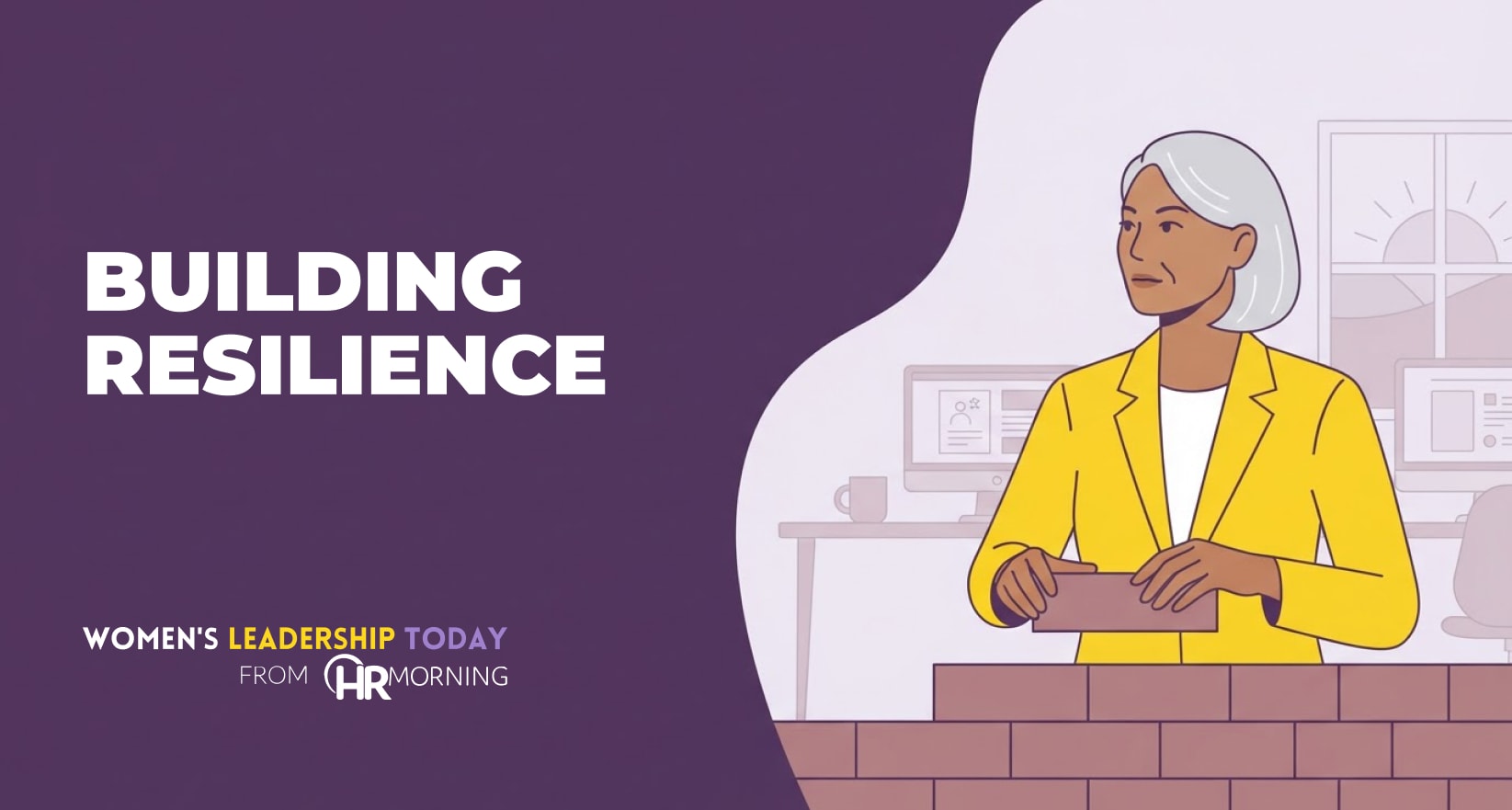
Without any effort, we build walls of positivity and self-worth and walls of negativity and self-doubt. A wall of positivity blocks the negative from entering your sphere and affecting your mental and emotional state. In the same way, we build walls of negativity that block the positive from influencing us.
 | In addition to believing in your personal power, the bricks that build a wall of self-worth include: • Being authentic • Becoming a problem solver • Changing viewpoints — or relabeling • Exercising your power of choice • Having a positive and optimistic attitude • Taking proactive control when you can • Using humor to alter the perspective of a situation |
 | The bricks that build a wall of self-doubt include: • Feeling rejected – real or imagined • Experiencing distress • Being sorrowful for past slip-ups • Indulging in self-downing • Surrendering to depression • Feeling a lack of control over your circumstances • Increasing fear of not measuring up • Letting anger control you |
Build a wall of positivity and self-esteem, and never forget that you get to decide if you are going to be a negative person or a positive, resilient person.
Resilience Example
A pot of boiling water can help us understand resilience. Drop a potato in the boiling water, and you will soon have mashed potatoes. Drop an egg into the boiling water, and you get a hard-boiled egg. But drop coffee beans – they do work without being ground – in the water, let the whole coffee beans steep for 40-60 minutes, and you have a drink that millions around the world must have to start their day.
Advertisement
The application? When you are experiencing hot water, do you wilt, shrivel and turn to mush? Or do you harden, stop feeling with your heart, and let anger or depression overtake you?
Or the third choice: Are you resilient, using the boiling water as energy to create something the world wants? Do you say to yourself, “I CAN DO THIS?” If you use these words, you will act on this belief and demonstrate to the world that you have resilience and perseverance.
Further Reading
70+ U.S. Companies Affected by Remote Worker Fraud: FBI Issues New Guidance
You’ve reviewed an applicant’s resume and conducted an interview. But how can you be sure the remote worker you’re planning to bring onto your payroll is who they claim to be? More hiring managers are finding out that a candidate who looks great on paper and interviews well may still be an impostor. In a […]
Post-Election Fallout: 2 Ways to Manage New Tension in the Workplace
With the midterms over, you’d probably like to put the occasional (or frequent?) contentious moments any election can cause behind you. But it’s not likely to end with the last vote cast. HR and other leaders often face a recurring challenge in post-election times: acknowledging and managing politically charged moments that can turn up tension […]
An ‘Insecurity Tax’ Could Hurt Retention: 4 Solutions to Keep Your Talent
The last decade of corporate churn might have revealed this surprising lesson: One of the biggest threats to retention isn’t compensation, remote work or even AI. It could be managerial insecurity. When leadership is rooted in a manager’s personal anxiety, organizational behavior becomes entirely predictable. Micromanagement, hoarding authority, avoiding constructive dissent, and making defensive decisions […]
Politics at Work: An Election-Season Toolkit for HR Leaders
Employers everywhere are bracing for one of the trickiest challenges of the year as the country goes through another contentious election season. Inflammatory political speech in the workplace is disruptive and can lead to a host of workplace issues ranging from frustration and fractured relationships to claims of harassment and workplace violence incidents. With increasing […]
Are You Keeping Workforce Data Longer Than You Need To?
When an employee leaves, HR closes the personnel file, processes the final paycheck, and shuts off system access. Copies of that employee’s information can remain in places HR does not manage: email archives, collaboration platforms, badge-access logs, fleet telematics systems, and the files of recruiting, payroll and benefits vendors. Some of those records have to […]
How Managers Are the Missing Link in Workforce Capability: 3 Solutions
Managers are the bridge between business strategy, day-to-day execution, and organizational growth. Understanding and developing workforce capability has always been central to that role. And for HR leaders, a manager’s ability to do that well impacts everything from internal mobility and succession planning to retention and workforce readiness. The challenge is that workforce capability is […]