• Skip to primary navigation
  • Skip to main content

HRMorning

  • FREE RESOURCES
  • PREMIUM CONTENT
  • HR DEEP DIVES
  • PODCASTS
    • VOICES OF HR
    • WOMEN’S LEADERSHIP TODAY
  • LOGIN
  • SIGN UP FREE
  • Employment Law
  • Benefits
  • Recruiting
  • HR Technology
  • Payroll
  • Management
  • Women’s Leadership
  • More
    • Talent Management
    • Performance Management
    • Leadership & Strategy
    • Compensation
    • Policy & Procedures
    • Wellness
    • Staff Departure
    • HR Career & Self-Care
    • Health Care
    • Retirement Plans
RM Logo
  • Talent Management

8 Best Employees: How to Attract, Keep Them

Michele McGovern
By: Michele McGovern
  • Share on

About the Author

Michele McGovern writes. A lot. These days, she covers HR, digging deep into company culture, DEI, leadership, management and the everchanging world of work. In the years between getting a BA in journalism from a state school and writing about HR, she wrote about big-city crime for a wire service and small-town life for local newspapers. She’s a mediocre mom, decent wife, wannabe athlete and consummate pursuer of fun - on land, snow and water. Find her on LinkedIn @michele-mcgovern-writer.

Show Less
Last Updated: September 23, 2025
6 minute engagement

We often talk about the worst employees ever.

After all, they usually provide us with the most — ahem — colorful stories to tell.

But they also cause us the most grief and gray hairs.

So let’s talk about the best employees — the people who ideally make being a leader a pleasure. The people we want to surround ourselves with every day at work. The people who make things happen. The people whom we’d like to clone.

Who Are the Best Employees?

But who are the best employees ever? Where can you find them? How can you retain them? Or can you train them to be even better?

We have a roundup here. And we hope you already have a slew — if not all — of them on staff. But if you don’t, we’ve included tips to attract, train and retain them.

Here it goes …

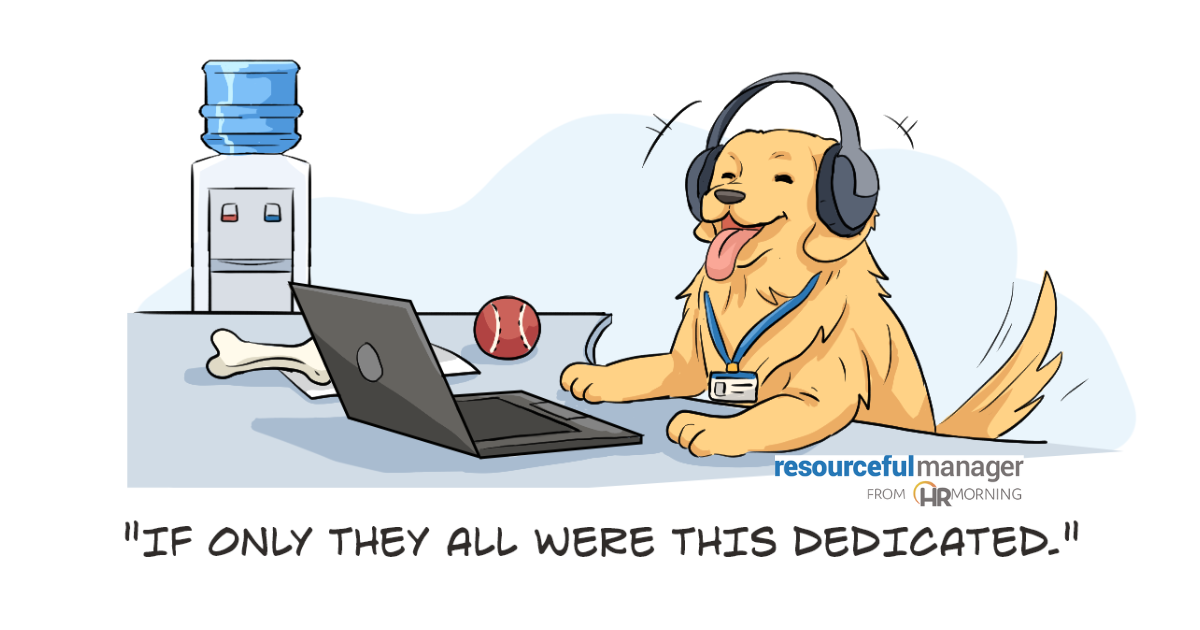
Dedicated Darian

Dedicated Darian has a strong sense of loyalty and support to his employer, career and industry. He has a passion for his work and maintains a positive attitude.

Attract: It might be more difficult to attract Dedicated Darians because they’re often loyal to their existing employer or industry. But you might get a leg up if you can appeal to their sense of passion: If your organization is dedicated to something that aligns with their interests, such as philanthropy or sustainability, make sure they know.

Train: Dedication is best taught by example. So try to assign Dedicated Darians like-minded mentors. Also note, they’re often ideal to train in areas they don’t have experience because they’re dedicated to work.

Retain: Continue to appeal to their passions by giving them opportunities to pursue their greater interests — and support those when you can.

Reliable Rhonda

You can trust Reliable Rhonda. When she’s put to task, the job will get done — and it will get done well with little or no oversight. She shows up and delivers, arrives on time, participates in work-related events and consistently meets deadlines.

Attract: You can find and hire more reliable people by showing them the same: Be reliable and thorough throughout the hiring process and onboarding.

Train: Fortunately, reliability can be taught. The best way is to give employees who show reliability a little more responsibility with each assignment.

Retain: Reward Reliable Rhonda with flexibility and bonuses for her successes as she takes on more responsibility.

Confident Cathy

Confident Cathy is often more productive than your average employee because she believes in her abilities and naturally manages tasks. Beyond that, she is likely to speak up with new ideas, and convince others to adapt and improve.

Attract: You want to look for job candidates with a record of embracing challenges, accepting setbacks and overcoming them. Confident Cathy wants to know she’ll be challenged and rewarded in her role.

Train: Confident Cathy is usually looking for ways to improve her skills, so you’ll want to regularly lead her to opportunities to learn new skills and grow her knowledge.

Retain: Give her ample opportunities to move up in her career within your organization.

Team Tommy

Everyone loves Team Tommy because he’s a successful collaborator who lifts up those around him. He has patience and dedication to the group and its mission. But don’t be mistaken — Tommy cares about his personal success as much as the team’s. So if he isn’t working with other team players, he’ll charge ahead.

Attract: While everyone says they’re “team players” in interviews, they all aren’t. You want to look for people who talk about their contributions to a team win and take some responsibility for team misses.

Train: Adaptability is one of Team Tommy’s strongest traits. So give him opportunities to try different roles where he can help lead and motivate.

Retain: True Team Tommys likely want to remain part of teams as opposed to just leading them. So ensure that Tommy never ends up in a silo.

Critical-Thinking Charlie

Every team needs Critical-thinking Charlie. He often has a different perspective on problems and develops logical solutions. In fact, Charlie sometimes recognizes problems before anyone else so they’re averted.

Critical thinkers ask the right questions, not just more questions. They often catch critical details others miss.

Attract: To attract more Critical-thinking Charlies, you want to promote autonomy and decision-making power in the job role you post.

Train: Give critical thinkers time and autonomy to work on problems rather than bog them down in group training or thinking.

Retain: Continue to give Charlie opportunities to identify and solve problems. Reward critical thinkers for the money and/or time they save by solving issues.

Independent Isabella

In the hybrid and remote work world, Independent Isabella is more critical than ever. She has a strong focus, is a self-starter (and finisher) and is resourceful. She does a solid job of critiquing and editing her own work, too.

Attract: Independent Isabella is often found inside your organization because you — or other managers — have the ability to already see that she has the qualities you need.

Train: The best training for an independent person is most often self-led, so offer her opportunities to train online on her time.

Retain: One word: Autonomy. Give Isabella as much of it as possible.

Accountable Anna

Accountable Anna is self-aware. She understands her strengths and weaknesses, which prompts her to ask for help when she needs it and charge ahead when she knows “she’s got this.”

Attract: You can find and hire more Accountable Annas through good interviewing. You’ll want to ask candidates to identify instances when they succeeded and failed — and what they learned from each. An accountable person will be able to easily see both sides of that coin.

Train: Accountable Anna likes feedback! So use one-on-ones to praise her strengths and give direction in the areas she’d like to improve.

Retain: Give Anna ample opportunities to hone skills and develop, leading her to expanded roles and respect.

Interpersonal Ivan

Interpersonal Ivan has strong communication skills. He carries himself well with colleagues, bosses and customers — pretty much anyone he comes in contact with throughout work. He is a true professional who is open-minded, and good at listening to and interpreting others.

Attract: Interpersonal Ivan is usually attracted to work that allows him to interact with others daily. He likely pursues work in positive, interactive environments, so you want to promote those characteristics in yours.

Train: If anything, Interpersonal Ivans might need some training on — or time for — focused work.

Retain: Interpersonal people often like the limelight, so you might keep them engaged with opportunities to present or moderate meetings or special events.

Filed under
RM Logo
  • Talent Management
  • Share on

Get the HRMorning Newsletter

With HRMorning arriving in your inbox, you will never miss critical stories on labor laws, benefits, retention and onboarding strategies.

  • This field is for validation purposes and should be left unchanged.
  • This field is hidden when viewing the form
  • This field is hidden when viewing the form
  • This field is hidden when viewing the form
  • This field is hidden when viewing the form
  • This field is hidden when viewing the form
  • This field is hidden when viewing the form
  • This field is hidden when viewing the form
  • This field is hidden when viewing the form
  • This field is hidden when viewing the form
  • This field is hidden when viewing the form
  • This field is hidden when viewing the form
  • This field is hidden when viewing the form
  • This field is hidden when viewing the form
  • This field is hidden when viewing the form
  • This field is hidden when viewing the form
  • This field is hidden when viewing the form
  • This field is hidden when viewing the form
  • This field is hidden when viewing the form
  • This field is hidden when viewing the form
  • This field is hidden when viewing the form
  • This field is hidden when viewing the form
  • This field is hidden when viewing the form
  • This field is hidden when viewing the form
  • This field is hidden when viewing the form
  • This field is hidden when viewing the form
  • This field is hidden when viewing the form
  • This field is hidden when viewing the form
  • This field is hidden when viewing the form
  • This field is hidden when viewing the form
  • This field is hidden when viewing the form
  • This field is hidden when viewing the form
  • This field is hidden when viewing the form
  • This field is hidden when viewing the form
  • This field is hidden when viewing the form
  • This field is hidden when viewing the form
  • This field is hidden when viewing the form
  • This field is hidden when viewing the form
  • This field is hidden when viewing the form
  • This field is hidden when viewing the form
  • This field is hidden when viewing the form
  • This field is hidden when viewing the form
  • This field is hidden when viewing the form
  • This field is hidden when viewing the form
  • This field is hidden when viewing the form
  • This field is hidden when viewing the form
  • This field is hidden when viewing the form
  • This field is hidden when viewing the form
  • This field is hidden when viewing the form
  • This field is hidden when viewing the form
  • This field is hidden when viewing the form
  • This field is hidden when viewing the form
  • This field is hidden when viewing the form
  • This field is hidden when viewing the form
  • This field is hidden when viewing the form
  • This field is hidden when viewing the form
  • This field is hidden when viewing the form

Free Training & Resources

White Papers

Uncovering the Real Value of Discount Shopping Programs

Provided by PerkSpot

Webinars

Talent Assessment 2020: Impactful Business Responses in the Context of Current Events

White Papers

How Employee Spending is Changing the Benefits Landscape

Webinars

Serena Williams and Paycom: A Conversation About Purpose, Success and Work Ethic

Provided by Paycom

SPONSORED CONTENT

HR Technology

sponsored content
The Best AI Software for HR Automation

Courtesy of G-P

Talent Management

sponsored content
Powerful Employee Retention Strategies for 2025: How to Keep Your Best People

Courtesy of PEOPLEGURU

Benefits

Health Care

Wellness

sponsored content
Proven Results: 5 Ways Teladoc Health Chronic Condition Management Transforms HR Outcomes

Courtesy of TELADOC HEALTH

Further Reading

  • Performance Management
  • Talent Management
Employee Recognition: HR’s Ultimate Guide

Losing and replacing an employee can cost up to 150% of their salary. And most of that loss doesn’t start at the exit interview – it bu...

  • Talent Management
Using employee recognition to make your people want to stay

Employee recognition and rewards can have a significant positive impact on your company culture and retention rate. According to Jason L...

  • Talent Management
7 Ways To Show The Respect Employees Crave

There’s one attainable way to get employees to do their best possible work, teams to hit goals and colleagues to support your ideas. ...

  • Talent Management
Hybrid Work Realities: 5 Trends for HR

Is hybrid work the cure-all we expected? Not exactly. At one point, employers needed hybrid work – a way to keep employees saf...

  • Talent Management
Struggle with Gen Z Slang? 2 Guides to What They Say and Mean 😜🤣

Ever feel like Gen Z talks gibberish? Or do you struggle with Gen Z slang and emojis? You aren’t alone. Even some Gen Zers don...

  • Talent Management
HR vs. management: How to handle layoffs in the social media age

These days, companies seem to be playing musical chairs with their employees. HR is processing the leaving of employees followed by the onb...

Get the latest from HRMorning in your inbox PLUS immediately access 10 FREE HR guides.

I WANT MY FREE GUIDES
HR Morning Logo
  • Facebook
  • Linked In
  • ABOUT HRMORNING
  • ADVERTISE WITH US
  • WRITE FOR US
  • CONTACT
  • Employment Law
  • Benefits
  • Recruiting
  • Talent Management
  • Performance Management
  • HR Technology
  • Leadership & Strategy
  • Compensation
  • Policy & Procedures
  • Wellness
  • Staff Departure
  • HR Career & Self-Care
  • Health Care
  • Retirement Plans
  • DEI

HRMorning, part of the Rover Insights Network, provides the latest HR and employment law news for HR professionals in the trenches of small-to-medium-sized businesses. Rather than simply regurgitating the day's headlines, HRMorning delivers actionable insights, helping HR execs understand what HR trends mean to their business.

Powered By Rover Insights
Privacy Policy | Terms of Service
Copyright© 2026 Rover Insights
HRMorning Logo

WELCOME BACK!

Enter your username and password below to log in

Forget Your Username or Password?

Reset Password

Lost your password? Please enter your username or email address. You will receive a link to create a new password via email.

Log In

Why do we need your credit card for a free trial?

We ask for your credit card to allow your subscription to continue should you decide to keep your membership beyond the free trial period.  This prevents any interruption of content access.

Your card will not be charged at any point during your 21 day free trial
and you may cancel at any time during your free trial.

During your free trial, you can cancel at any time with a single click on your “Account” page.  It’s that easy.