
Create a Top-Notch Employee Experience, Gain a Competitive Advantage
By
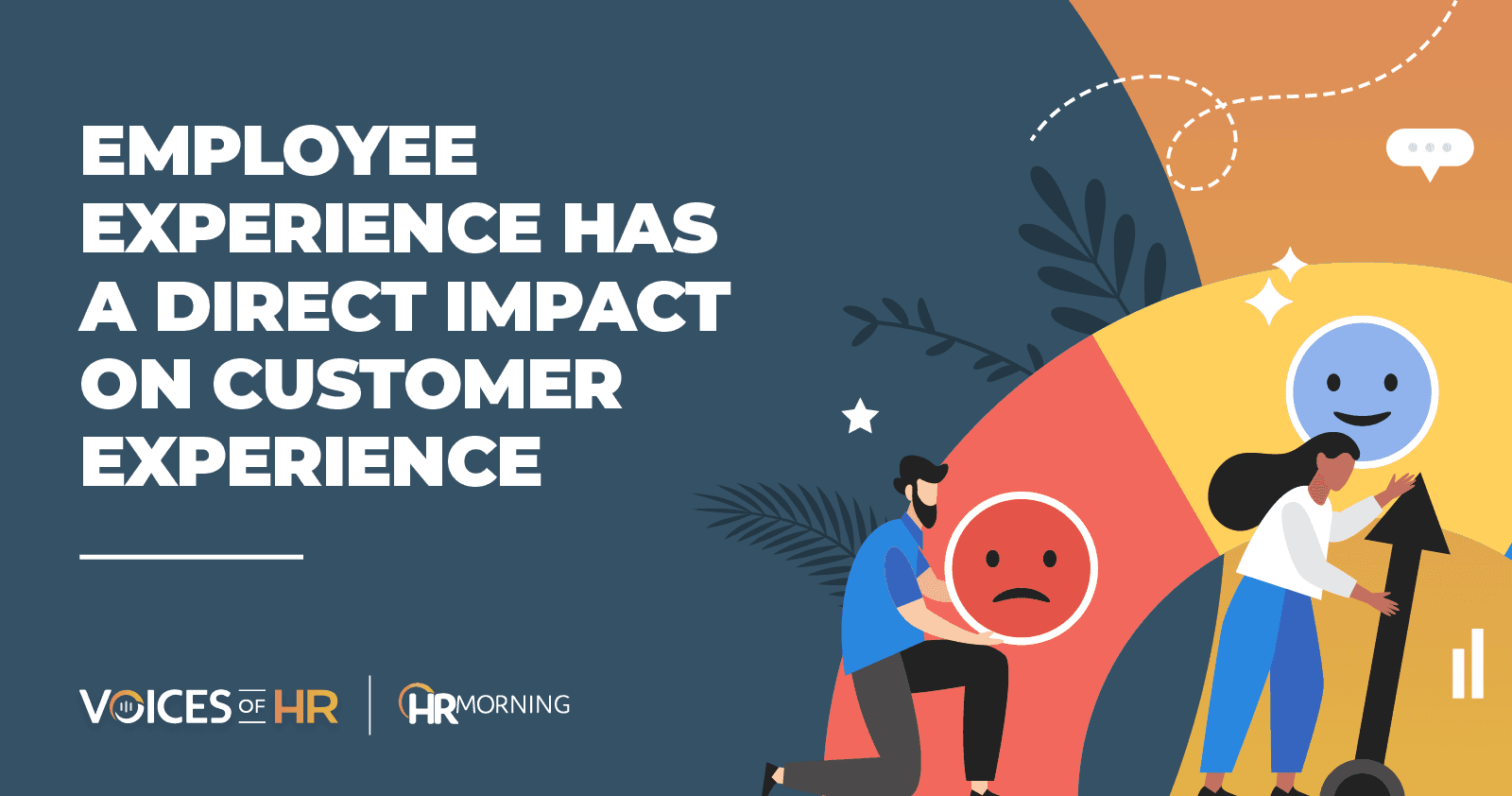
In the midst of labor market tightness and inflation-driven demand for better pay, creating an employee experience where your people feel good about delivering on your company’s strategy and goals is crucial.
And doing it right means relying less on perks and more on listening and using the data that comes from it.
According to Lisa Sterling, chief people officer at Perceptyx, an employee insights and manager effectiveness software platform, the results include significantly improved customer experience and overall business success.
“If you get the investment right with your people, they absolutely will deliver exceptional customer experiences, which in turn will deliver great shareholder experiences,” she said in an episode of HRMorning’s “Voices of HR” podcast, titled “Designing a Top-Tier, Holistic Employee Experience.”
“Organizations who are more intentional about their people strategy … actually are six times more likely to exceed their financial targets. They are six times more likely to achieve higher levels of customer satisfaction and engagement, which we know has a direct correlation to annual recurring revenue growth, to margin growth, etc.,” Sterling said, citing the 2023 edition of the “State of Employee Listening Study” that her company conducts.
Employee Experience Begins With Listening
Sterling advised organizations to develop and keep track of an ongoing listening strategy for understanding employee experience, noting what keeps them engaged and motivated, as well as identifying areas for improvement.
“Probably 80% of the challenges that we’re faced with as organizations, people somewhere in the organization already know how to solve those problems. They’re just not being given the voice or the podium or the opportunity to talk about them. And so go to where the action is. Go to the people closest to your customers. Go to the people closest to other people in the organization and ask them; get their insight,” she said.
Sterling shared a case study of a beverage company that discovered a correlation between employee engagement and workers’ compensation claims, which led them to understand the financial impact of disengagement on the organization.
It’s also important to appropriately act on employee feedback to make your people feel valued and that their voice matters.
In addition to surveying employees, listening also involves paying attention to how people show up on Zoom or Teams and what they’re saying about your company on sites like Glassdoor.com and FairyGodboss.com to get a holistic view of your employees’ experience.
Advertisement
“If you’re only using the internal data, a lot of times you’re missing an important element of the story. Because people aren’t always 100% authentic and transparent internally,” she said.
For HR leaders seeking to align their HR strategy with the corporate strategy, Sterling recommends starting with an assessment of their organization’s current employee experience and getting the right stakeholders (especially the CEO and CFO) involved in the conversation. Aligning the two strategies, while keeping the future needs of the organization in mind, is crucial for success.
Further Reading
Post-Election Fallout: 2 Ways to Manage New Tension in the Workplace
With the midterms over, you’d probably like to put the occasional (or frequent?) contentious moments any election can cause behind you. But it’s not likely to end with the last vote cast. HR and other leaders often face a recurring challenge in post-election times: acknowledging and managing politically charged moments that can turn up tension […]
An ‘Insecurity Tax’ Could Hurt Retention: 4 Solutions to Keep Your Talent
The last decade of corporate churn might have revealed this surprising lesson: One of the biggest threats to retention isn’t compensation, remote work or even AI. It could be managerial insecurity. When leadership is rooted in a manager’s personal anxiety, organizational behavior becomes entirely predictable. Micromanagement, hoarding authority, avoiding constructive dissent, and making defensive decisions […]
Politics at Work: An Election-Season Toolkit for HR Leaders
Employers everywhere are bracing for one of the trickiest challenges of the year as the country goes through another contentious election season. Inflammatory political speech in the workplace is disruptive and can lead to a host of workplace issues ranging from frustration and fractured relationships to claims of harassment and workplace violence incidents. With increasing […]
Are You Keeping Workforce Data Longer Than You Need To?
When an employee leaves, HR closes the personnel file, processes the final paycheck, and shuts off system access. Copies of that employee’s information can remain in places HR does not manage: email archives, collaboration platforms, badge-access logs, fleet telematics systems, and the files of recruiting, payroll and benefits vendors. Some of those records have to […]
How Managers Are the Missing Link in Workforce Capability: 3 Solutions
Managers are the bridge between business strategy, day-to-day execution, and organizational growth. Understanding and developing workforce capability has always been central to that role. And for HR leaders, a manager’s ability to do that well impacts everything from internal mobility and succession planning to retention and workforce readiness. The challenge is that workforce capability is […]
14 Fun Fall Team-Building Activities Employees Will Love
The change of seasons brings a unique way to engage your employees, promote team-building and have some fun with employees. And it couldn’t be more important than right now: Employee engagement has recently dropped to its lowest since 2020, according to Gallup research. Regardless of the time of year, it’s important to maintain employee motivation […]