• Skip to primary navigation
  • Skip to main content

HRMorning

  • FREE RESOURCES
  • PREMIUM CONTENT
  • HR DEEP DIVES
  • PODCASTS
    • VOICES OF HR
    • WOMEN’S LEADERSHIP TODAY
  • LOGIN
  • SIGN UP FREE
  • Employment Law
  • Benefits
  • Recruiting
  • HR Technology
  • Payroll
  • Management
  • Women’s Leadership
  • More
    • Talent Management
    • Performance Management
    • Leadership & Strategy
    • Compensation
    • Policy & Procedures
    • Wellness
    • Staff Departure
    • HR Career & Self-Care
    • Health Care
    • Retirement Plans
RM Logo
  • Leadership & Strategy

5 Factors that Separate the Best Managers from the Rest of the Pack

Michele McGovern
By: Michele McGovern
  • Share on

About the Author

Michele McGovern writes. A lot. These days, she covers HR, digging deep into company culture, DEI, leadership, management and the everchanging world of work. In the years between getting a BA in journalism from a state school and writing about HR, she wrote about big-city crime for a wire service and small-town life for local newspapers. She’s a mediocre mom, decent wife, wannabe athlete and consummate pursuer of fun - on land, snow and water. Find her on LinkedIn @michele-mcgovern-writer.

Show Less
Last Updated: September 29, 2025
4 minute engagement

If you’re going to be a manager, you might as well be the best at it.

But what separates the best managers from the rest of the pack? About five critical leadership qualities, according to research from Perceptyx.

Yet many managers don’t have all of these qualities. Some managers haven’t picked up any of them yet. Proof: Almost 25% of employees say they work for the worst manager ever — a number that has remained unchanged for a few years.

Some of Us Work for the Best Leaders!

Now, for the bright side: About 50% of employees say they work for the best boss.

The problem is, nearly 60% of managers believe they’re very good or excellent at the job. So there are some leaders who think they’re all that and a bag a chips. Meanwhile, their employees think they’re “meh.”

“Managers don’t set out to be someone’s ‘worst boss ever,'” says the researcher Emily Killham, Senior Director and Head of the Center for Workforce Transformation at Perceptyx. “They want to do a good job, but they are too often set up to fail. It’s in the best interest of organizations to create a situation where managers have the environment and tools they need to do that good job.”

So it’s more important than ever to know what separates the best leaders from the not-so-good — and then try to embrace and hone the characteristics they share.

Beyond that, you want to avoid the behaviors and traits the lesser-liked leaders exhibit. We have the research on what works and what doesn’t here.

The Making of the Best Leaders

According to the research, “among the behaviors that set the best managers apart, five stood out as particularly important:”

  • Inspiring others. The ability to inspire and motivate employees is a hallmark of great leadership. Tip: Create a sense of purpose by helping employees recognize how their work positively affects colleagues, customers and hard results.
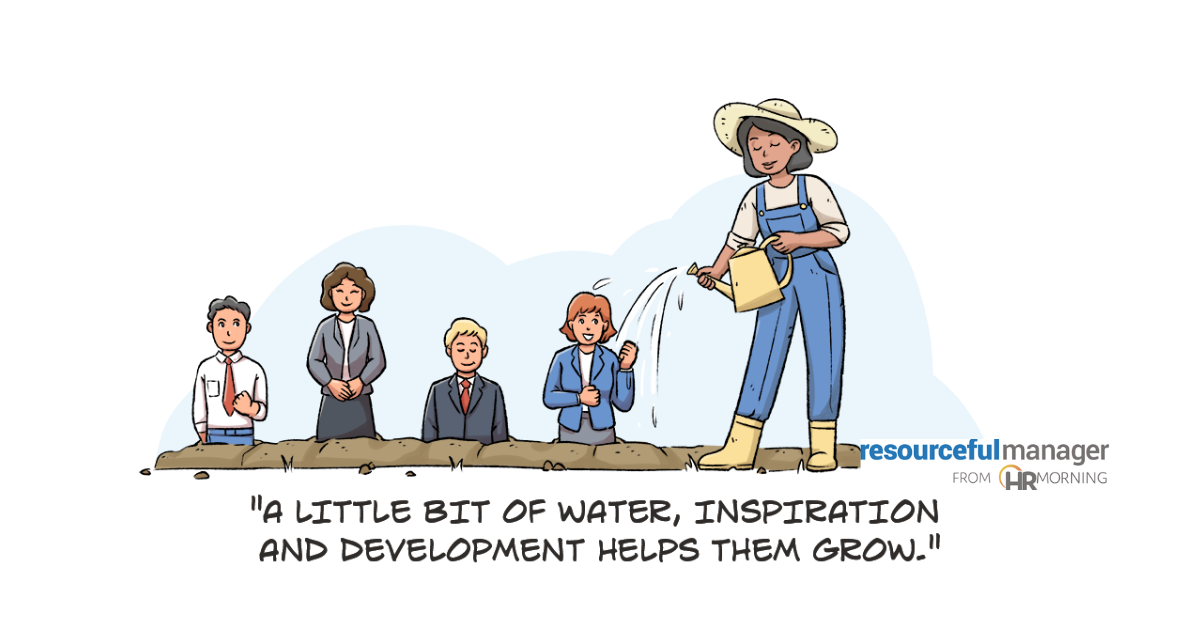
  • Developing others. The best leaders help team members learn more, find growth opportunities and develop their careers. Tip: Get a regular roundup of online courses, web tutorials and training from your vendors that’s relevant to employees’ jobs and aspirations. Pass those along with notes of confidence in their abilities to do greater things.
  • Planning effectively. The best managers plan and organize. There’s no way around it. Things don’t usually get done well if a person or department is in a constant state of chaos. Tip: Work with employees to set clear goals on what gets done by whom, when and how. Then, ensure the team understands their roles and responsibilities. Do all you can to quiet the noise so they have space to focus.
  • Communicating a clear vision. Successful managers share a clear and compelling vision for the future to align the team’s efforts with the organization’s goals and provide a sense of direction and purpose. Tip: When you plan effectively, you usually cover the short-term. When you communicate the vision — and remind employees of it regularly — you help them connect their short-term work to long-term goals.
  • Managing change effectively. Great managers get employees through change smoothly by communicating openly and helping them stay focused during transitions. Tip: Communicate everything you know throughout changes so you can all prioritize better to get through it successfully.

Bad Leadership Traits to Avoid

Now you know what sets apart the best leaders from the rest, you want to avoid the behaviors or characteristics of the leaders who fall into that “worst boss ever” category.

Researchers found they lack:

  • Integrity. Ineffective managers often damage trust and morale within the team. Instead, you want to demonstrate integrity by upholding high ethics to maintain a healthy work environment.
  • Effective communication skills. Poor communication leads to misunderstandings, errors and misdirection. Instead, you want to lean into more clear and consistent communication tactics — such as putting important information in more than one communication channel.
  • Expertise. Some managers don’t have the necessary knowledge or skills to lead their teams effectively. It’s important for “green” managers to focus on their weaknesses and improve.
  • Action. Inaction or indecisiveness stalls progress and frustrates employees. Instead, you want to take decisive actions to move projects and goals forward.
  • Customer focus. While it’s important for managers to focus on employees, they need to think about customers, too. Ineffective leaders don’t do that, which can lead teams to question the right next steps, or worse, put employees in awkward positions while working directly with customers. Instead, keep employees up to date on customer interactions, needs and feedback.
Filed under
RM Logo
  • Leadership & Strategy
  • Share on

Get the HRMorning Newsletter

With HRMorning arriving in your inbox, you will never miss critical stories on labor laws, benefits, retention and onboarding strategies.

  • This field is for validation purposes and should be left unchanged.
  • This field is hidden when viewing the form
  • This field is hidden when viewing the form
  • This field is hidden when viewing the form
  • This field is hidden when viewing the form
  • This field is hidden when viewing the form
  • This field is hidden when viewing the form
  • This field is hidden when viewing the form
  • This field is hidden when viewing the form
  • This field is hidden when viewing the form
  • This field is hidden when viewing the form
  • This field is hidden when viewing the form
  • This field is hidden when viewing the form
  • This field is hidden when viewing the form
  • This field is hidden when viewing the form
  • This field is hidden when viewing the form
  • This field is hidden when viewing the form
  • This field is hidden when viewing the form
  • This field is hidden when viewing the form
  • This field is hidden when viewing the form
  • This field is hidden when viewing the form
  • This field is hidden when viewing the form
  • This field is hidden when viewing the form
  • This field is hidden when viewing the form
  • This field is hidden when viewing the form
  • This field is hidden when viewing the form
  • This field is hidden when viewing the form
  • This field is hidden when viewing the form
  • This field is hidden when viewing the form
  • This field is hidden when viewing the form
  • This field is hidden when viewing the form
  • This field is hidden when viewing the form
  • This field is hidden when viewing the form
  • This field is hidden when viewing the form
  • This field is hidden when viewing the form
  • This field is hidden when viewing the form
  • This field is hidden when viewing the form
  • This field is hidden when viewing the form
  • This field is hidden when viewing the form
  • This field is hidden when viewing the form
  • This field is hidden when viewing the form
  • This field is hidden when viewing the form
  • This field is hidden when viewing the form
  • This field is hidden when viewing the form
  • This field is hidden when viewing the form
  • This field is hidden when viewing the form
  • This field is hidden when viewing the form
  • This field is hidden when viewing the form
  • This field is hidden when viewing the form
  • This field is hidden when viewing the form
  • This field is hidden when viewing the form
  • This field is hidden when viewing the form
  • This field is hidden when viewing the form
  • This field is hidden when viewing the form
  • This field is hidden when viewing the form
  • This field is hidden when viewing the form
  • This field is hidden when viewing the form

Free Training & Resources

Webinars

HR Metrics: Measuring Data for Better Decisions

Webinars

Last-Minute HR Considerations for Open Enrollment

Webinars

Future of Work: Digitizing Workplace Experience

Webinars

Give Your Employees Meaningful Benefits – TalentCulture

SPONSORED CONTENT

HR Technology

sponsored content
The Best AI Software for HR Automation

Courtesy of G-P

Talent Management

sponsored content
Powerful Employee Retention Strategies for 2025: How to Keep Your Best People

Courtesy of PEOPLEGURU

Benefits

Health Care

Wellness

sponsored content
Proven Results: 5 Ways Teladoc Health Chronic Condition Management Transforms HR Outcomes

Courtesy of TELADOC HEALTH

Further Reading

  • Leadership & Strategy
Beyond Quiet Quitting: 3 Cures for Apathy, Disconnect in the Workplace

In recent years, quiet quitting went viral, literally and figuratively. Mercifully, we might be hearing the term less. But make no mist...

  • Leadership & Strategy
Argument Ping-Pong: 4 Ways To Not Get Sucked In

Arguments are inevitable at work. The hope is they’re all healthy arguments that spark creativity or higher productivity. Unfortun...

  • Leadership & Strategy
Yahoo’s New HR Strategy: Useful Tips for HR Pros

Realigning HR strategy when a company moves in a bold, new direction can be done in a way that’s actually well received by stakeholde...

  • Leadership & Strategy
6 Inexpensive Strategies for Early-Career Talent

Attracting and developing early-career talent is something that’s very difficult to excel at. But there are actionable steps you can ...

  • Leadership & Strategy
Focus on Employee Recognition in Healthcare: 4 Keys

The healthcare industry has been disrupted since 2020, and despite a hesitant return to normalcy for most, there’s no denying that health...

  • Leadership & Strategy
Need your idea heard? Never spend more than 7 minutes to say it

Want your idea heard — and acted on? Can you get just a few minutes with decision-makers? Need to make an impact fast? Whatever yo...

Get the latest from HRMorning in your inbox PLUS immediately access 10 FREE HR guides.

I WANT MY FREE GUIDES
HR Morning Logo
  • Facebook
  • Linked In
  • ABOUT HRMORNING
  • ADVERTISE WITH US
  • WRITE FOR US
  • CONTACT
  • Employment Law
  • Benefits
  • Recruiting
  • Talent Management
  • Performance Management
  • HR Technology
  • Leadership & Strategy
  • Compensation
  • Policy & Procedures
  • Wellness
  • Staff Departure
  • HR Career & Self-Care
  • Health Care
  • Retirement Plans
  • DEI

HRMorning, part of the Rover Insights Network, provides the latest HR and employment law news for HR professionals in the trenches of small-to-medium-sized businesses. Rather than simply regurgitating the day's headlines, HRMorning delivers actionable insights, helping HR execs understand what HR trends mean to their business.

Powered By Rover Insights
Privacy Policy | Terms of Service
Copyright© 2026 Rover Insights
HRMorning Logo

WELCOME BACK!

Enter your username and password below to log in

Forget Your Username or Password?

Reset Password

Lost your password? Please enter your username or email address. You will receive a link to create a new password via email.

Log In

Why do we need your credit card for a free trial?

We ask for your credit card to allow your subscription to continue should you decide to keep your membership beyond the free trial period.  This prevents any interruption of content access.

Your card will not be charged at any point during your 21 day free trial
and you may cancel at any time during your free trial.

During your free trial, you can cancel at any time with a single click on your “Account” page.  It’s that easy.

